




How Minneapolis Implemented its Green Fleet Policy
Fleet veteran John Scharffbillig, director of Fleet Services for the City of Minneapolis, discusses how the Fleet Services division brainstormed, wrote, edited, and is implementing the City's new green fleet policy.

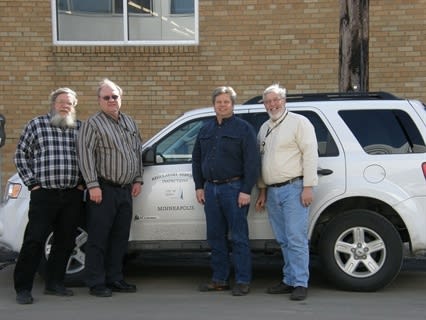
The City of Minneapolis Fleet Services division green team includes, l-r, Gary Dahl, Bill Gauthier, Al Thunberg, and Director of FSD John Scharffbillig. Photo courtesy John Scharffbillig.
The Minneapolis City Council on March 7 approved a green fleet policy written by the City's Fleet Services division (FSD). The policy details changes to the City fleet to reduce vehicle emissions, optimize fleet size, and ensure low-emission vehicle procurement. Fleet veteran John Scharffbillig, director of fleet services, discusses how the policy came to be, as well as the fleet team's methods and progression during the year-long process.
From Idea to Implementation
When the City hired Scharffbillig two years ago, there had already been talks about a green fleet policy. "The environmental section here said we need to address our concerns with our mobile fleet in making sure we are getting the cleanest-burning equipment that we can to reduce our tailpipe emissions," he said. "When I was hired, it was one of the things they asked me to start working on."
Scharffbillig and the fleet staff began writing the policy more than a year ago. They began by researching other areas that had created a green fleet policy and found some policies in place in various municipalities and agencies. After reviewing these resources, FSD worked with the City Environmental Coordinating staff to determine what they goals.
"This turned into a real education exercise on both [sides]," Scharffbillig said. Fleet Services wanted to ensure cost-effectiveness, while the Environmental Coordinating staff had to make sure the policy had an environmentally friendly impact, and the two teams worked together to find middle ground, Scharffbillig said.
In addition, FSD also spoke to fleet managers in the area "to find out how they were dealing with the process of going green." The division also spoke to the State of Minnesota Fleet Council, chaired by Tim Morris, on cost-effective green strategies, according to Scharffbillig.
To determine methods for emissions measuring, FSD worked with the City's energy manager as well as the Environmental Protection Agency (EPA). They decided to use the EPA's formula for measuring greenhouse gas emissions. "This has been a slow process due to not understanding the formula and getting the data in the right format," Scharffbillig said.
FSD also spoke to the Citizens Environmental Advisory Committee (CEAC) to educate members about the policy and have them review it before presenting it to City Council in December 2010. The policy went through several revisions and edits with various committees before it was approved. Scharffbillig said these revisions were mostly edits to wording and clarifications on data availability.
The final policy, which can be found in its entirety here, is extensive, and lists procedures for additional vehicle acquisition, calls for an annual fleet report, creates a Green Fleet Team that ensures compliance, advocates use of recycled materials during preventive maintenance, and gives Fleet Services division authority in vehicle purchases and exemption requests.
The Next Steps
With the policy now in effect, FSD is currently working to establish baseline numbers for its gasoline-powered light-duty trucks. FSD has already completed emissions baseline numbers for fleet sedans. "Hopefully by this fall, we will have all the data and will be benchmarking our light-duty truck fleet," Scharffbillig said.
In the meantime, the City will continue to purchase lower-emission vehicles, using the EPA SmartWay list as a guide, and rotating out older vehicles that emit more pollutants.
[PAGEBREAK]
"We're also working with the Minnesota Electrical Vehicle Coalition, and we're going to buy our third electric vehicle," Scharffbillig added. The vehicle will be a Ford Transit Connect; the two EVs the City already operates are an EasyRide, a Minnesota-made EV, and a Zen vehicle. In addition, the City also operates two plug-in Priuses - the mayor drives one and the other is used in the FSD.
The City currently operates 548 vehicles on some form of alternative fuel. These vehicles include 383 flex-fuel vehicles, mostly in the Police Department, and about 80 hybrid Ford Escapes and Toyota Priuses. Fleet Services has also retrofitted 60 heavy-duty trucks, including snow plows and fire trucks, with aftertreatment devices for diesel particulates. The City also runs some vehicles with a blend of B-10 biodiesel for testing in cold weather. These vehicles run a minimum of 5 percent all the time and, during the summer months, go up to a 20 percent in all diesel-powered equipment.
According to a release from the City, it had reduced fleet fuel consumption by 6 percent from 2008 to 2010.
Reflections on a Year-Long Experience
"It's been an interesting journey," Scharffbillig said of the green fleet policy writing and implementation process so far. "I've spent a lot of time in the fleet industry, and this was the most extensive green fleet policy I've been involved in." Scharffbillig worked for 30 years with the State of Minnesota in fleet and operations, most recently as the state Department of Transportation fleet manager.
"It gave us a chance to review our whole process for purchasing and different aspects in the fleet," Scharffbillig said. He said it allowed them to look through practices and policies to see whether they were still the most effective and efficient operating procedures.
For government fleet managers who are writing their own policies or are looking into greening their fleets, Scharffbillig advised "Don't be afraid to think out of the box and look at more than one way of doing it." He cited his own question of how the City would be able to afford hybrid vehicles as replacements, until he realized that, using Smartway emissions ratings, buying smaller cars and getting older, more polluting vehicles out of the fleet would also contribute to lower emissions.
"There's more than one option," he said. "Explore what's available to you and what's going to work for your type of operation." FSD will begin working on educating the City on best practices in eco driving, he said.
More Green Fleet
New Propane Autogas Program Offers Fleet Compensation
Qualified commercial fleets can receive $7,500 per eligible propane autogas vehicle and up to $10,000 for new refueling site prep. Learn how the program works and see whether your fleet qualifies.
Read More →
EV Charging Use Is Outpacing Infrastructure Growth
ChargePoint’s 2026 Charging Forward Report points to rising charger use, higher-powered charging, commercial vehicle electrification, and energy-management technology. Here’s what fleets should know.
Read More →
Merchants Fleet Reports 290M EV Miles as Fleets Navigate Changing Electrification Market
From millions in operating savings to hundreds of millions of EV miles, Merchants Fleet’s latest report reveals what’s working and what’s changing in fleet electrification.
Read More →
The EV Breakdown Nobody's Talking About: Why Most Electric Vehicle Roadside Calls Aren't Mechanical Failures
Here's why EV breakdowns are widely misunderstood.
Read More →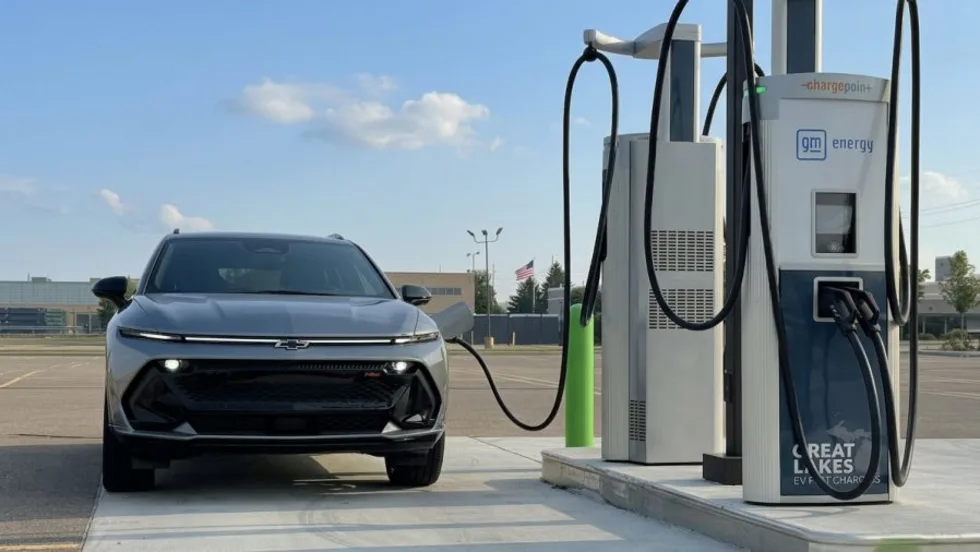
ChargePoint Now Available in Energy Pass
ChargePoint and additional planned charging network integrations were added to GM's Energy Pass.
Read More →

First Look: Slate Auto's Electric Fleet Pickup
Could an affordable, modular EV pickup make electrification more practical for fleets?
Read More →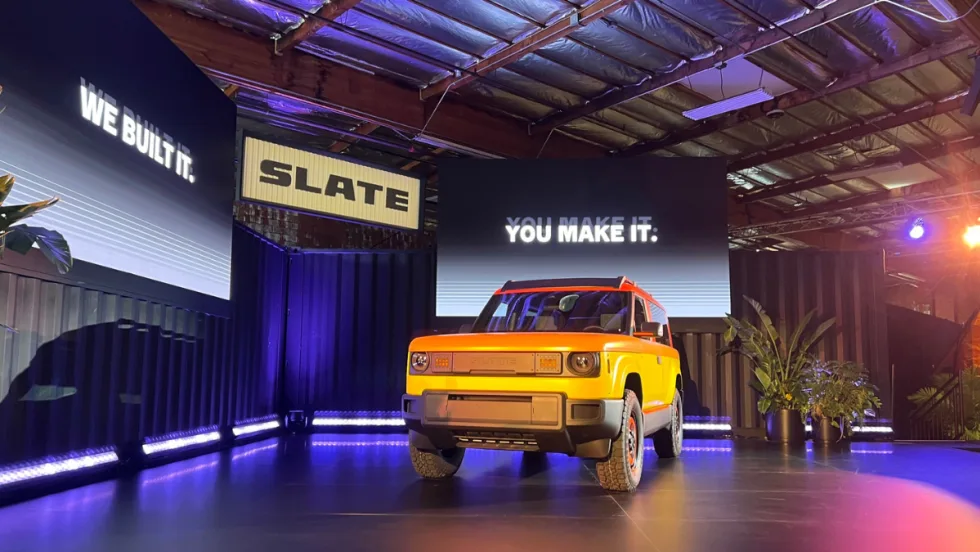
Slate Debuts Colorful, Unique EV Models
A recent media and client event, studded with electric vehicles dressed up on platforms, planted a new position for the manufacturer in the wider EV market. Fleets will find cost-saving advantages.
Read More →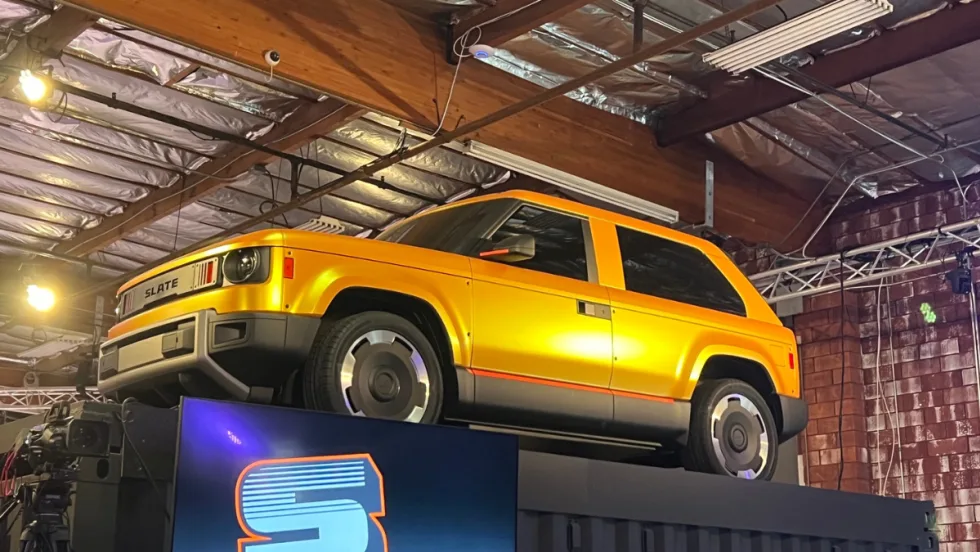
Slate Electric SUV, Pickup Switchable Model Aims For Light-Duty Fleets
Everything about this EV is counterintuitive and understated, making it stand out from the crowd.
Read More →
Inspiration Mobility Acquires Key Electrada Assets
Inspiration Mobility Group has acquired select assets of Electrada, adding the fleet electrification provider's team, technology, and charging infrastructure development capabilities to its energy management business.
Read More →