




Related: How COVID-19 Impacted Fueling Trends
How Fleet Management Companies are Addressing COVID-19
Maintaining proper sanitization practices is an essential action that fleet managers must be considerate of as they attempt to thrive in an industry hampered by the coronavirus.

Andy Lundin・Former Senior Editor

Photo courtesy of Pixelliebe via iStockphoto.
8 min to read
The COVID-19 pandemic has totally disoriented how fleet professionals are managing their operations. Uncertainty about how long the coronavirus will last is making it difficult for fleets to know how to address their future, though there are practices that fleets can implement today that are aimed at helping them and their fleets move forward.
Automotive Fleet reached out to several fleet management companies to get their feedback on advice they have for fleets during the pandemic and how these companies are looking to support their clients in this time of need.
Advice for Fleets
First and foremost, fleets must implement proper sanitation policies.
“Our first priority is the health and safety of our people, our clients, our partners and of course, drivers,” said Steven Jastrow, VP of strategic consulting and analytics for Element Fleet Management. “One of the most important things we’re all hearing is the importance of keeping clean to stopping the spread of the virus — so we immediately looked to share best practices in that regard with drivers.”
Widespread implementation of hygienic best practices for fleet professionals and their drivers is an elemental step, not only for the safety of their drivers and entire company, but the general public. Also important is recognizing shelter-in-place mandates, wherever they are being applied, and “social distancing.”
“In terms of prevention and safety tips for fleet personnel, it goes without saying everyone should adhere to the guidelines published by the World Health Organization and the Center for Disease Control and Prevention,” said Bob White, president of ARI. “Additionally, fleet personnel should also obey any restrictions or guidelines - such as shelter in place mandates and social distancing recommendations - currently in place for the region in which they operate. Beyond that, we’re strongly encouraging drivers to take additional precautions to further limit the spread of the COVID-19.”
Other fleet management professionals elaborated on the necessity of maintaining stringent sanitation policies, exploring the details of this of what is necessary.
“Sanitize frequently touched surfaces within the vehicles on a regular basis. Wear gloves when possible outside of your vehicle, especially when fueling the vehicle. Pumps, keypads and other surfaces are frequently touched and have not been sanitized. Wherever possible use contactless payment methods to avoid touching keypads or pens to sign,” said Carolyn Edwards, SVP of Client Success, LeasePlan USA.
Tom Coffey, senior VP of sales & consulting, Merchants Fleet, expanded on practicing smart sanitation practices and other important aspects of addressing COVID-19.
“When drivers get home or finish their shift, they should thoroughly wipe down their vehicles with disinfectant wipes, change their clothes, and wash their hands thoroughly with soap and water for at least 20 seconds,” said Coffey of Merchants Fleet. “If they are on the road and don’t have access to soap and water during their shift, they should use an alcohol-based hand sanitizer with at least 60% alcohol. If they are turning in vehicles and picking up new ones, wiping down and cleaning out vehicles isn’t just a courtesy – it’s a health measure.”
With regards to cleaning solutions, White of ARI suggested being mindful of what is being used on assets and where they are being applied, so as to not accidentally damage any part of the vehicle.
“It is important to keep in mind, bleach or alcohol-based cleaners should not be used on leather surfaces and avoid getting water or other liquids near electronics,” he added.
These ideas of sanitation lend themselves to a much broader idea echoed by many fleet management company professionals: being proactive as much as possible.
“One best practice we recommend to clients during any time of crisis is to develop a clear action plan: think proactively, know what you are going to do, and act proactively,” said Coffey of Merchants Fleet. “It is also important to keep channels of communication open with drivers. In situations like these, there is no such thing as over-communication. And communications should be transparent – know what you know, know what you don’t know, and don’t be afraid to say ‘I don’t know.’”
One way to be proactive is to consider the needs of your assets. While health and safety for personnel is a top priority, fleets still cannot neglect vehicle needs.
“In terms of best practices, now may be a good time to undertake a tool and equipment audit on trucks; the benefit is lighter loads and improved fuel economy when drivers go back to work,” said Jastrow of Element Fleet Management. “It’s also a good time to do visual inspections for safety issues - check lights and plates, etc. and address any deferred maintenance and PM compliance on idled vehicles. In terms of safety, we suggest that when possible, a vehicle be left to sit for 72 hours if picking up or changing drivers, given that the estimated lifespan of the virus is 72 hours on surfaces.”
Impact on Fleet Partners
There are various moving parts in fleet, and COVID-19 has impacted the many facets of the industry, including its wide range of industry partners. Fleets are wondering how support from their partners may be altered by this disease.
These partners include the OEMs, dealerships, transportation logistics, maintenance suppliers, accident management solutions providers, and much more.
“The conversation continues to change shape. We are closely aligned in our relationships with our clients. Delivering proactively, providing consultation services to maneuver through COVID-19,” said Edwards of LeasePlan USA. “There is no roadmap for such a challenge, but by utilizing our expertise and industry expertise - we have developed some creative solutions for our clients. Funding solutions, maintenance recommendations and how to communicate to their fleet drivers, executive leadership and with their LeasePlan team members.”
But every fleet is different, which means different operations are approaching their handling of COVID-19 in ways that are specific to them, including the size of the fleet.
“Larger fleets have generally been concerned about operational impacts: they want to make sure they can still pick up vehicles or are asking about delivery to dealers, especially for vehicles that are for essential uses,” said Coffey of Merchants Fleet. “They are also asking if service partners are still available to schedule preventive and non-preventive maintenance. Small fleets may be more sensitive to near-term changes and economic impacts due to the virus, so we have been working with them on customized and flexible offerings to meet their new and changing needs.”
But, more simply, trying to identify how the future of this pandemic might play out is a top concern mentioned among fleet managers.
And while FMCs are doing their best to support, the unpredictability of the situation has made it difficult to alleviate the ongoing stresses.
“Our clients appear to be the most concerned about simply not knowing what the future will bring,” said Amy Hudson, VP, Client Experience, Mike Albert Fleet Solutions. “The uncertainty around how long this crisis will last and attempting to align financial planning with an undetermined time frame is causing a great deal of angst. Most all organizations are doing their best to minimize the financial impact and conserve cash reserves.”
How things have Changed for FMCs
And while COVID-19 has made managing fleet harder, FMCs have not halted operations, though social distancing is still key.
“By staying apart, we are in this together. The majority of our employees have been working remotely and collaborating remotely to service our valued customers,” said Michael Ferreira, Senior Vice President, Sales and Marketing, Donlen. “Our company is following the current guidance provided by leading government and health authorities to ensure we are taking the right actions. We continue to update customers as relevant information becomes available.
Indeed, every FMC is doing their part to aid clients in need, particularly to those who are still considered essential businesses.
“One thing we have consistently seen—there are essential businesses, products, and services that must keep moving to keep people safe and healthy. We understand that this includes our clients’ businesses,” said Coffey of Merchants. “In addition to trying to be as communicative as possible with our clients, we’re letting them know proactively of all the capabilities that we have to offer at this time that could be applicable to their needs, including temporary lease vehicles, disposing of surplus or unneeded vehicles, and even potentially monetizing vehicles that are owned through sale and leaseback transactions. We do have a significant pool of vehicles that are available for either short-term or long-term leases, especially for those clients that are in an essential use business -where they serve the general public.”
Each FMC said it had implemented a temporary telecommuting work policy for its staff, though they are continuing to maintain communications with clients via email and phone, and have included a resource page on their individual websites.
“With information about how COVID-19 is impacting our industry changing by the hour, transparent communication is more important than ever and we continue to update this resource as new information becomes available,” said White of ARI. “Above all else, and I cannot stress this enough, we are all in this together. Our team of fleet professionals remain available to help our customers navigate the road ahead and we hope that you and your loved ones remain safe and healthy during this challenging time.”
Hudson of Mike Albert echoed the importance of maintaining quality communication during this trying time.
“Our technology infrastructure and internal tools have allowed Mike Albert to make this transition extremely smooth,” said Hudson of Mike Albert. “Our clients should have no issue reaching their support contacts and communication within internal teams appears unaffected.”
Edwards of LeasePlan expanded upon ideas of the current situation further.
“Given the widespread changes and disruptions caused by COVID-19, we expect that there may be delays outside of our control, particularly in the License and Title and Vehicle Acquisition departments,” said Edwards of LeasePlan. “But we want to be as transparent as possible and keep communicating any updates to our clients.”
As a way of continuing to improve communication with clients, many organizations have turned to developing webinars as a method to communicate best practices on addressing fleet during the pandemic.
“We have developed webinars to help fleets learn what payment structures free up the most cash, as well as hosting a think tank webinar that featured real fleet managers and the measures they are taking to keep their drivers safe,” said Ferreira with Donlen.
Automotive Fleet produced a webinar titled “How to Develop a COVID-19 Fleet Plan” in late March, and is co-producing its second webinar with AFLA, which is titled “Real-World Best Practices, Solutions, and Lessons Learned in Managing a Fleet During a Pandemic,” scheduled for Thursday, April 9 at 2pm CST, and is sponsored by Mobileye.
Subscribe to Our Newsletter
More Safety

Tips for Driving Safely on Halloween Night
This video features a reminder from the Connecticut Department of Transportation (DOT) and the Connecticut Police Chiefs Association, urging drivers to prioritize safety this Halloween.
Read More →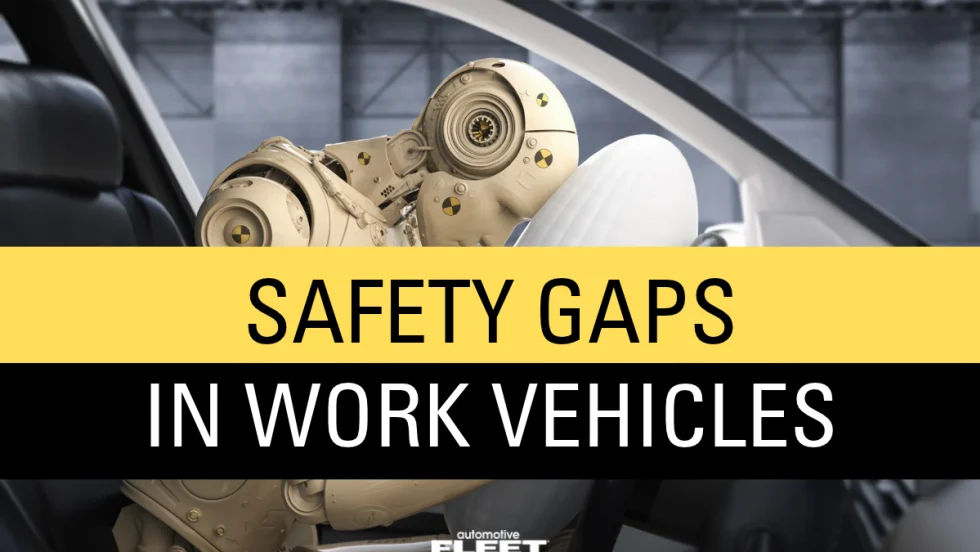
IIHS Crash Avoidance Tests Reveal Safety Gaps in Cargo Vans and Work Trucks
New crash-avoidance ratings from the Insurance Institute for Highway Safety reveal inconsistent performance among commercial vehicles, with several popular cargo vans and heavy-duty pickups struggling to avoid collisions with other vehicles and pedestrians.
Read More →
What’s Next for Fleet? Safety, AI & Industry Recognition | AF News Recap
Could your company's culture be encouraging distracted driving? This week, we're exploring how workplace expectations affect driver safety, what AI, EVs, and autonomous vehicles could mean for the future of fleet management, and how fleet professionals can strengthen their award nominations.
Read More →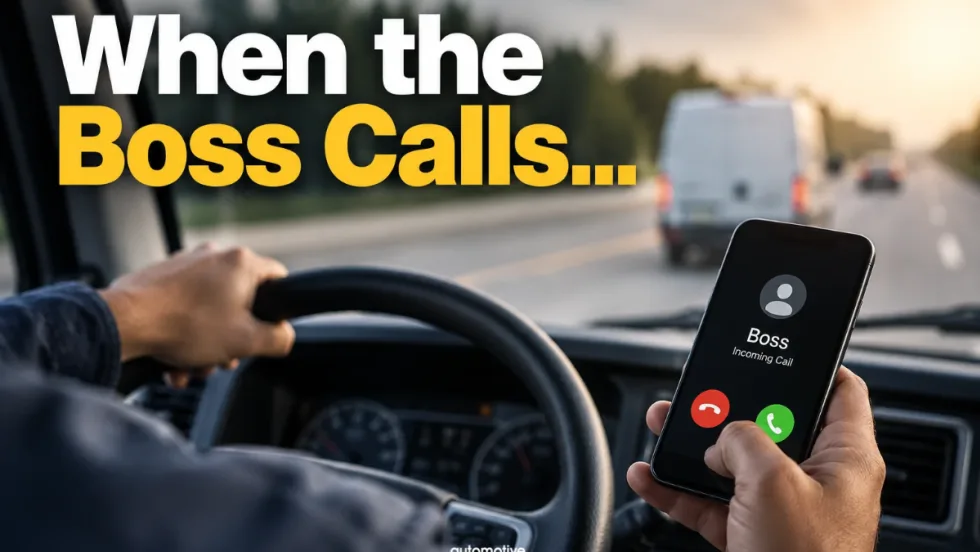
Does Your Fleet's Culture Encourage Distracted Driving?
What happens when the people responsible for enforcing safety rules are the ones setting the wrong example? The answer may reveal why some of the biggest risks to fleet drivers have little to do with what's written in the employee handbook.
Read More →
Sponsored•October 1, 2026
Fleet Manager’s Ultimate Playbook: Navigating the New Standard in OEM Connectivity
Rising operating costs, driver safety concerns, and unplanned downtime are putting unprecedented pressure on modern fleets. Discover how fleet managers use embedded OEM connectivity and real-time vehicle data to cut TCO, prevent downtime, and protect drivers without aftermarket telematics hardware.
Read More →
From Driver Well-Being to EV Charging | AF News Recap
Mental health belongs in the fleet safety conversation. This week, we’re looking at five ways fleets can support employee well-being before a crisis, plus Holman’s expansion in Mexico, new one-day Fleet Forward passes, and why EV charging demand is outpacing infrastructure growth.
Read More →
Nexar-Nauto Merger Aims to Give Fleets Better Safety Intelligence Through Larger Driving Dataset
Stefan Heck tells Automotive Fleet that combining more than 10 billion miles of driving history with Nexar's AI models will give fleets deeper insights into driver risk and roadway conditions than either company could provide independently.
Read More →
Don't Wait for a Crisis: 5 Ways to Build Mental Health Into Your Fleet Safety Program
For Suicide Prevention Month, fleet and safety leaders have an opportunity to put mental health where it belongs: at the center of workplace safety.
Read More →
How Camera Data Can Strengthen a Fleet’s Insurance Renewal
Insights from a commercial insurance carrier and a broker show how fleets can turn video telematic data, driver coaching, and improved claims results into a stronger case at insurance renewal.
Read More →
The Safest Fleets Aren’t the Ones with the Most Technology
You’ve made the telematics investment. Here’s how to capture the other half of its value and build the safest fleet on the road.
Read More →