




How Cloud Technology Can Help Fleets
Automotive Fleet spoke with John Edmunds, managing director of cloud solutions, at Verizon Enterprise Solutions, about how fleet managers can benefit from adopting this new technology solution.
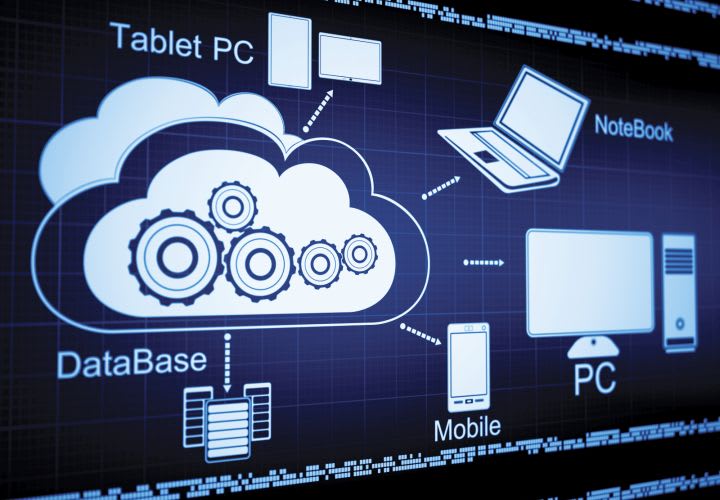
Photo courtesy of iStockPhoto.com.
Photo courtesy of iStockPhoto.com.
With computers, their related applications, and all of the hardware evolving at an ever-quickening pace, fleet managers need to know what can help and what can hinder. One such technology, cloud computing, allows users to store information and software on a virtual server and work from it at any location. Automotive Fleet spoke with John Edmunds, managing director of cloud solutions, at Verizon Enterprise Solutions, about how fleet managers can benefit from adopting this new technology solution.
AF: What is the current state of enterprise cloud usage/application?
Edmunds: It is one of maturity, increased adoption by corporate customers, and one that is under continuous optimization to help customers solve real-world business challenges.
AF: How can fleets utilize the cloud?
Edmunds: Fleets have online access to vehicle data and can also use online data management and reporting tools to organize, manage, and share vehicle data for informed fleet management decisions.
AF: How can this technology help fleets increase productivity and cut costs?
Edmunds: Cloud computing can help the fleet industry by becoming the "engine" that powers the applications. From a productivity standpoint, the enterprise cloud moves the burden of infrastructure management and ongoing maintenance to the solution provider freeing up resources to focus on strategic goals and objectives. For example, it is becoming common practice to leverage the cloud with most collaboration solutions under a subscription-based model, which allows for more flexibility and agility.
AF: What are some of the options available to fleet managers?
Edmunds: The options available stretch across infrastructure as a service in both a self-managed and a fully managed solution on a global basis. The self-managed solution is available in both a public or within a private, dedicated option. Additional services are being deployed on top of this foundation under a pay-as-you-go model.
AF: What infrastructure needs to be put in place?
Edmunds: There is no additional infrastructure required to be put in place. In addition to the existing security, customers are able to bring with them to the environment additional dedicated security technologies, such as intrusion detection/prevention appliances, as well as dedicated networking technology.
AF: What type of fleet-related software/information can be hosted on the cloud?
Edmunds: Any industry application can be created or moved to our cloud solution as long as it can be virtualized. In fact, we can enable the migration of an existing application through a one-click provisioning process that protects the data in transit and at rest while in our environment.
AF: What is the return on investment (ROI) for fleet managers?
Edmunds: We don't have specific metrics to share, but evidence on an industry-wide basis we are seeing a 21-percent growth of virtual machines and a 65-percent growth on storage resources.
AF: What is the greatest argument in favor of cloud technologies?
Edmunds: The greatest argument for the cloud centers around the ability to quickly (within minutes) add and remove resources to keep pace with the corporation's goals and objectives in serving their end-user customers. This allows for greater agility, flexibility, and efficiencies. As cloud computing has evolved, so has the ability to move applications and workloads to an industry compliant platform.
AF: How can moving to the "cloud" help fleet managers track their vehicles better?
Edmunds: Offered as software as a service, which is in the "cloud" available online, telematics provides 24/7 visibility into fleet assets with access to near real-time vehicle data such as mileage, speed, fuel consumption, idle time, and diagnostic trouble codes to improve operations and significantly reduce costs. The system also offers expansive integration capabilities, enabling fleet managers to automate tasks and reduce workload.
Solutions consist of in-vehicle hardware and an online application. Each in-vehicle unit automatically transmits vehicle and asset data over a secure wireless network to the data center. Users can access the secure website to set and receive vehicle alerts, track vehicles, and monitor driver behavior. Using PCs, smartphones, or tablets, managers monitor data anywhere to make fleet management decisions.
More Operations

How Fleets Can Recruit and Train Veterans for Technician Roles
Here's how the technician shortage has affected uptime for fleets, and what to do about it.
Read More →
Avis Budget Group Deploys Neology Toll Management Technology Across Major Brands
Neology’s neoFleet platform will manage toll transactions and toll-authority operations for vehicles across Avis, Budget, Payless, Budget Truck and Zipcar.
Read More →
Fleet Personal-Use Charges Edge Higher in 2026
Nearly eight in 10 surveyed fleets allow personal use of company vehicles, while just over half of respondents report charging employees for the privilege.
Read More →
The Future of Fleet + What’s Changing Right Now | AF News Recap
Could developments overseas offer a preview of what’s coming for U.S. fleets? This week, we’re looking at the future of AI, autonomy, and electrification, plus Ford Pro’s new certified pre-owned program, smarter vehicle offboarding, and a new way for fleets to manage toll expenses.
Read More →
How to Handle Vehicle Offboarding
What do fleet managers need to do when a driver leaves?
Read More →
Fleet Manager’s Ultimate Playbook: Navigating the New Standard in OEM Connectivity
Rising operating costs, driver safety concerns, and unplanned downtime are putting unprecedented pressure on modern fleets. Discover how fleet managers use embedded OEM connectivity and real-time vehicle data to cut TCO, prevent downtime, and protect drivers without aftermarket telematics hardware.
Read More →
U.S. Bank Adds Verra Mobility Toll Management to Voyager Fleet Platform
The integration allows U.S. Bank Voyager fleet customers to manage toll payments and violations alongside fuel, EV charging and maintenance expenses.
Read More →
ADAS Prevents Crashes. But Repairs Cost More | AF News Recap
ADAS-equipped vehicles may crash less often, but they can cost more when they do. This week, we’re breaking down what that tradeoff means for fleets, plus Subaru’s first Forester Wilderness Hybrid, Nissan’s new e-POWER Rogue, and why Calstart has become Catalyst Mobility.
Read More →
Moventum Fleet Management Names Mark Iorillo Head of Sales
Iorillo brings nearly 20 years of fleet management and sales experience to the role, including previous positions at Element Fleet Management, CEI, Donlen and Ryder.
Read More →
Fleet Has a Talent Pipeline Problem. What Comes Next? | AF News Recap
Where will fleet’s next generation of leaders come from? This week, we’re looking at the industry’s talent pipeline, what certification can add to a fleet career, how to build an award-worthy track record, and the return of Automotive Fleet’s Personal Use Survey.
Read More →