How Changing Emissions Standards Affect Work Truck Fleets
Many industries are making it a priority to reduce greenhouse gas emissions, as national standards and public expectations continue to change. The work truck industry is among those most affected by this push.
by Cari Groppel
May 9, 2019
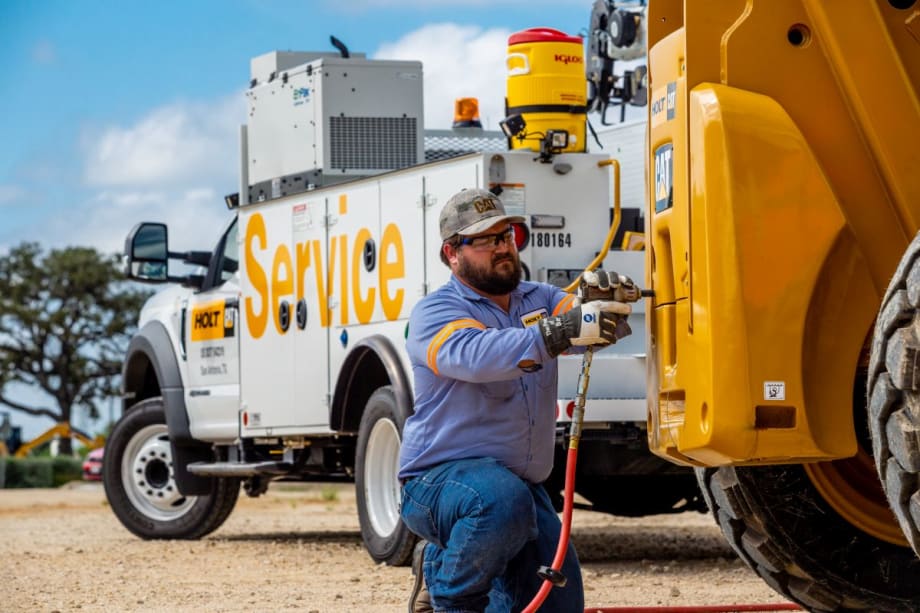
Since the implementation of Tier 4 regulations, many work truck fleets are seeing increased downtime for engine regeneration and more time and money spent on maintenance.
Photo courtesy of Miller
4 min to read
Many industries are making it a priority to reduce greenhouse gas emissions, as national standards and public expectations continue to change. The work truck industry is among those most affected by this push.
Ad Loading...
According to 2016 data from the Environmental Protection Agency (EPA), the transportation sector accounted for the largest portion (28%) of total greenhouse gas emissions in the United States, followed by electricity and industry.
Ad Loading...
Among the transportation sector, light-duty vehicles were the largest source of emissions at 60%. Medium- and heavy-duty trucks were the second-largest source of emissions in transportation at 23%. Most work trucks and service fleet vehicles fall into the light- and medium-duty categories.
As the work truck industry works to reduce emissions and meet changing regulations, new technologies and equipment can help save fuel and decrease emissions — resulting in a greener, more efficient fleet.
Changing Emissions Regulations
Vehicles that are more efficient and use less fuel produce fewer emissions and help contribute to cleaner air. As part of this movement, the EPA’s Tier 4 regulations are a significant reduction in the allowable levels of exhaust emissions from diesel engines. Any new diesel engines produced must meet these reduced emissions requirements. And, Tier 4 is likely not the final chapter in emissions regulations, as more stringent standards could be on the horizon.
While the EPA regulations address emissions at a national level, laws governing vehicle smog checks are handled at the state and local levels. Some states have no requirements for smog testing; other states require emissions testing at varying intervals (often every two years) depending on vehicle type.
Among the transportation sector, light-duty vehicles were the largest source of emissions at 60%. Medium- and heavy-duty trucks were the second-largest source of emissions in transportation at 23%.
Photo courtesy of Miller
Tier 4 Impact on Work Trucks
Since the implementation of Tier 4 regulations, many work truck fleets are seeing increased downtime for engine regeneration and more time and money spent on maintenance.
Ad Loading...
Some fleets aren’t running Tier 4-compliant trucks yet and are still using model-year trucks made before the regulations were put in place. As older diesel trucks reach the end of their useful life, fleets will have to replace them with Tier 4-compliant vehicles.
So, what is driving the increased downtime and maintenance for Tier 4 trucks? These engines use a diesel particulate filter (DPF) to trap soot from engine exhaust gases. The DPF requires periodic cleaning through regeneration to maintain emissions reduction performance and fuel efficiency.
How frequently DPF regeneration must happen depends on several factors, including how much time a work truck spends idling. The more time a truck engine idles — such as to power air compressors, pumps, hydraulic cranes and other jobsite tools with a PTO-driven system — the more clogged the filter becomes and the more frequently it requires regeneration.
Driving at uninterrupted highway speed is one way to automatically regenerate the engine. Another option is to perform a parked regeneration with the engine running. This cleaning cycle can result in up to an hour of downtime for the truck.
The regeneration cycle heats and burns off much of the material blocking the filter. The remaining particulate matter not burned off through regeneration can lead to increased regen time, poor fuel economy, reduced power output and costly engine damage. This remaining material can be cleaned through a specialized process that requires removal of the DPF from the exhaust system and shipment to a servicing facility. Some companies will come to you to replace a DPF on-site, though this is a costly option. Each DPF can cost thousands of dollars, so any efforts that prolong filter life can help reduce operating costs and downtime.
Ad Loading...
Finding ways to reduce work truck engine idling can help reduce or eliminate many of these headaches.
Photo courtesy of Miller
How Idling Increases Truck Downtime
Because Tier 4 engines are not designed to idle constantly, this presents a challenge for work trucks that must idle all day to power air compressors, pumps, hydraulic cranes, and other jobsite tools.
As mentioned, a parked regeneration can result in up to an hour of truck downtime, but not performing regeneration frequently enough can lead to even longer and more costly downtime. Engine performance may be reduced if too much particulate builds up, and the truck may even shut down if the regeneration warning is ignored or missed when the DPF is full. At this point, the operator cannot regenerate the DPF, and the truck must be taken to an authorized dealer to have the DPF removed so it can be cleaned or replaced — a process that can take several days.
Finding ways to reduce work truck engine idling can help reduce or eliminate many of these headaches.
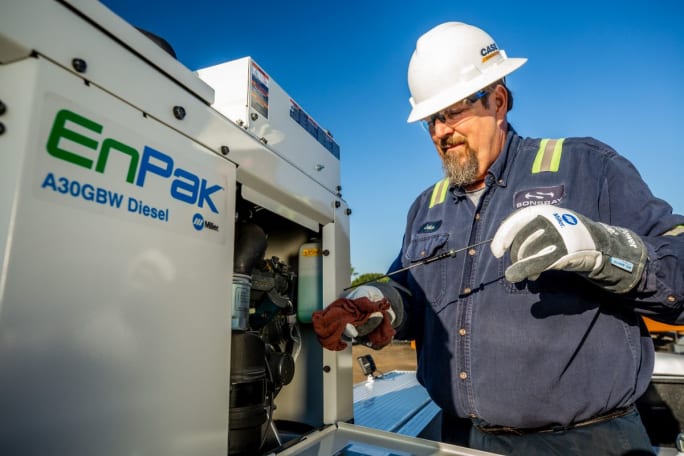
EnPak A30GBW power systems from Miller Electric Mfg. LLC provide compressed air, electrical power, battery charging, and welding while also delivering power to support 12-volt DC needs — all while the truck’s engine is turned off.
Additional technologies ensure the unit’s engine runs at the appropriate speed when needed to meet demands, which results in fuel savings, lower emissions and decreased maintenance.
Decrease Engine Idle Time & Emissions
Reducing truck engine idling also helps lower vehicle emissions and fuel use. All-in-one work truck power systems allow service technicians to turn off their work trucks and still run the tools needed to get the job done efficiently.
With an all-in-one, truck engine idle time can be reduced by 75% — significantly reducing engine emissions, fuel costs, and maintenance needs.
Ad Loading...
Technology to Meet Changing Standards
Changing emissions standards and the EPA’s Tier 4 regulations for diesel engines have changed the game for work truck fleets. But there are technologies and equipment available that help operations reduce emissions and save fuel, while improving productivity and efficiency.
As emissions regulations continue to evolve, all-in-one power systems can help fleets stay ahead of the curve — substantially decreasing truck engine idle time, reducing maintenance needs, extending chassis life, and saving money.
From millions in operating savings to hundreds of millions of EV miles, Merchants Fleet’s latest report reveals what’s working and what’s changing in fleet electrification.
A recent media and client event, studded with electric vehicles dressed up on platforms, planted a new position for the manufacturer in the wider EV market. Fleets will find cost-saving advantages.
Inspiration Mobility Group has acquired select assets of Electrada, adding the fleet electrification provider's team, technology, and charging infrastructure development capabilities to its energy management business.
Fleet leaders have more data than ever, but turning that data into clear, actionable decisions remains a challenge. This white paper shows how leading organizations are using connected vehicle data to improve safety, reduce costs, and optimize fleet performance. Learn how to turn insight into action across your fleet.
Bobit Business Media surveyed 190 fleet professionals and found that while most fleets are tracking costs, fragmented systems and data gaps are keeping true TCO visibility out of reach. With rising pressure to control spend in an increasingly volatile environment, the gap between what fleets think they know and what the data actually shows is wider than you might expect. See how your peers are managing costs today and where the industry still has room to improve.