




How Changing Demographics Affect the Fleet Market
The current challenge made by Sal Giacchi, NAFA's latest president, in his avowed determination to revitalize the chapters in his inaugural address. Most believe that the chapter level represents the real foundation of the now international association.

Don’t jump on a man unless he’s down.-Finley Peter Dunne (Mr. Dooley)
I like men to behave like men – strong and childish.-Francoise Sagan
Be pleasant until ten o’clock in tin: morning and the rest of the day will take care of itself.-Elbert Hubbard
Walk groundly, talk profoundly, drink roundly, sleep soundly.-William Hazlitt
When I started in this fleet business many years ago, the fleet market was in its infancy. Leasing was just then beginning to catch on and the manufacturers were planning full-fledged fleet sales departments.
It was also when the National Association of Fleet Administrators (NAFA) was getting established. NAFA had some very active regional chapters. (New York, Pittsburgh, and Chicago come to mind.) A few years ago the organization was kind enough to bestow an Honorary Life Member status to me (of which I'm humbly proud), and I participated heavily in the Chicago Chapter (our original headquarters) and happily recall a unique group.
Without belaboring "old times," you should know that nearly every fleet manager in the area was a member, virtually came to every meeting, and fully enjoyed the pre-dinner cocktail hours.
This entire preface leads me to the current challenge made by Sal Giacchi, NAFA's latest president, in his avowed determination to revitalize the chapters in his inaugural address. Most believe that the chapter level represents the real foundation of the now international association.
In perspective, from a handful of chapters to about 33 today throughout North America, membership has also grown from a few hundred lo nearly 4,000 (which includes a heavy affiliate group). While every chapter chair is reluctant to call fleet manager participation a "crisis." even Giacchi and his board recognize that it is a major problem.
NAFA is searching for answers for a solution. They're asking: What makes a successful meeting? What can headquarters do to assist? Are monthly meetings too often? Regrettably, these are the same questions they've been asking for a long time.
For what it's worth, perhaps it would help more to analyze how the technological influences and member demographics have changed to find the best solution.
Consider the basics: Of its more than 2,000 fleet manager members, about half are "commercial" and half in the "utility/governmental" areas. Divergent interests make it difficult to attract to convergence.
The utility/government group is profiled with more trucks, fewer miles, more heavy equipment, service and maintenance, and retaining the vehicles longer. The commercial fleets lean on their lessors and other outsource suppliers and their fleets are getting larger (mainly through M&As). Comparing the last three years for the Top 200 commercial fleets, their vehicle size average has grown markedly from 3,384 ('98) to 4,547 ('00) or a whopping 34 percent. (Some utilities encounter mergers, but government fleets rarely do.)
From Automotive Fleet's circulation universe (mainly 25+ in size) we know that there is more than 15 percent turnover every year. That equates to a totally new market of fleet managers over a short period of time, and underscores the desperate need for basic and continued education.
Since NAFA has created its Fleet Information Resource Center with a complete library of answers to fleet questions via the computer (and our own highly visited Web site at www.fleet-central.com, data is available at one's fingertips (if you know what to ask).
So, is there a need for education and training? YES, and more than ever. Have the needs changed with Web site libraries and lessor electronics as resources? YES, profoundly. What's the answer; what's missing? It's the individual NETWORKING you can only get "one on one." Maybe not a bad sell line for NAFA.
More Operations
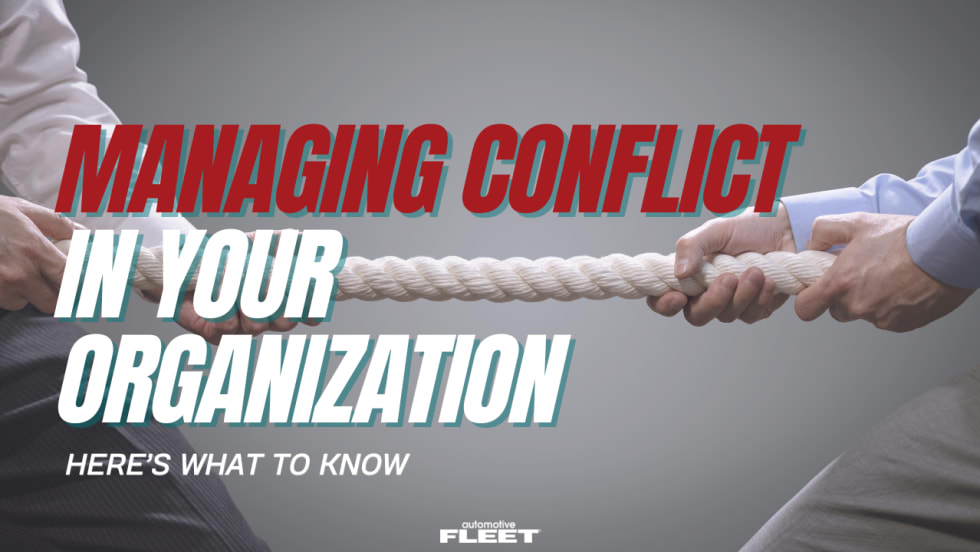
How to Manage Conflict for Your Fleet Operations
Conflict management is becoming a core leadership skill. Here are five strategies fleet leaders should know.
Read More →
Turning Connected Vehicle Data Into Decisions That Matter
Fleet leaders have more data than ever, but turning that data into clear, actionable decisions remains a challenge. This white paper shows how leading organizations are using connected vehicle data to improve safety, reduce costs, and optimize fleet performance. Learn how to turn insight into action across your fleet.
Read More →
Cameras, Safety and Insurance: From Reactive Claims to Real-time Prevention
Commercial auto remains one of the most challenging and costly lines of coverage for fleet operators and insurers alike. Learn more about how to effectively address these issues from Onur Aksan, Enterprise Business Development Executive, Geotab.
Read More →

Are You Tracking Your Fleet's True Total Cost of Ownership?
Bobit Business Media surveyed 190 fleet professionals and found that while most fleets are tracking costs, fragmented systems and data gaps are keeping true TCO visibility out of reach. With rising pressure to control spend in an increasingly volatile environment, the gap between what fleets think they know and what the data actually shows is wider than you might expect. See how your peers are managing costs today and where the industry still has room to improve.
Read More →
Turn Fleet Data Into Smarter Decisions
Fleet leaders have access to more operational data than ever, but disconnected systems and unclear metrics often slow decision-making instead of improving it. This article outlines five practical steps fleets can take to transform fragmented data into actionable insights that improve planning, safety, utilization, and long-term performance.
Read More →
Hybrids: Electrification Without the Challenges
For fleet managers, fuel is one of the biggest line items in the budget — and it's one hybrids can shrink without changing how your people work. Download the eBook to see the numbers, understand the technology, and get a step-by-step guide to making the switch.
Read More →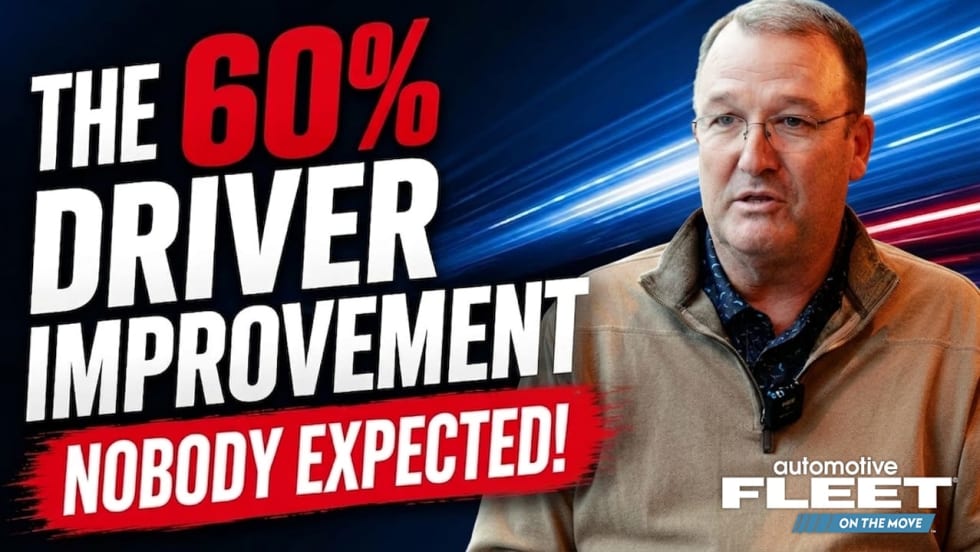
How NOV Uses Telematics to Improve Fleet Safety Across 160 Locations
James Victory of NOV discusses how the company manages fleet safety, maintenance, and telematics across more than 150 locations supporting oilfield operations throughout the U.S.
Read More →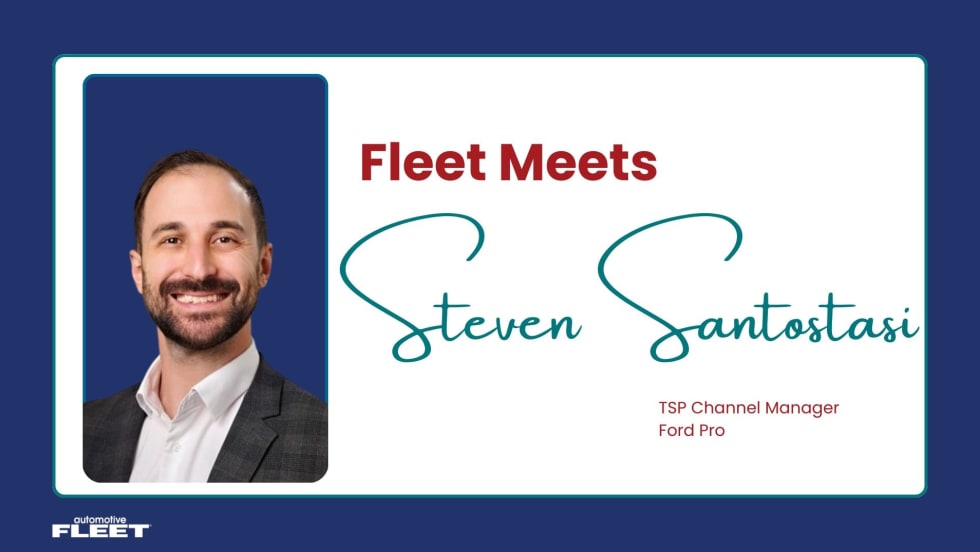
Fleet Meets: Steven Santostasi
This edition of the Fleet Meets series features Steven Santostasi, the current TSP channel manager for Ford Pro.
Read More →
Why Fleet Managers Are Replacing Departmental Vehicles with Shared Motor Pools
Departmentally assigned vehicles often create hidden costs through underutilization, poor visibility, and increased administrative burden. This white paper explores how shared motor pool strategies help fleets reduce costs, improve accountability, and optimize vehicle utilization.
Read More →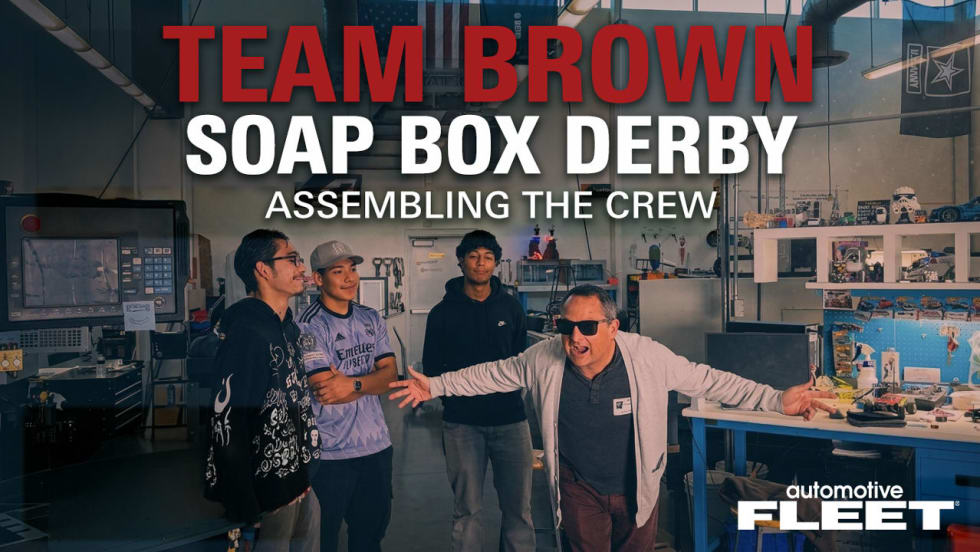
Soap Box Derby Challenge: Assembling the Crew
Meet Gabriel, Matthew, and Angel — the team helping bring this soap box derby build to life.
Read More →