




Hotline News: Top News in Fleet and Leasing
Top stories include record revenues reported in car rental and spare tires may be eliminated.
RECORD REVENUES IN CAR RENTAL INDUSTRY REPORTED IN 1977 ... according to some recent figures released by Hertz. Total revenues for the industry reached $1.822-billion, a gain of 10-percent over 1976 industry figures. The same study revealed that American car drivers and truck operators spent more than $376-billion in 1977 to own, maintain and operate their vehicles. Also reported was the fact that the rental industry logged more than 6.3-billion miles during 1977, a nine-percent increase over 1976 total mileage of 5.89-billion miles. The 1977 total was a new record surpassing the previous high of 5.9 billion miles travelled by rental cars in 1973.
SPARE TIRES MAY BE ELIMINATED ...on some of General Motors' new X-body cars scheduled to be introduced this spring. In place of a spare, the compacts will feature warning devices that will notify the driver of low tire pressure. Production of this feature is limited, and as a result only a few models will go spareless at first. GM plans to expand the equipment to all its car lines and this will occur as the production capability for the low-pressure warning devices expands. All 1980 GM models will feature radial tires, noted by industry observers as necessary to the spareless system.
BIG CAR DEMAND HOLDING UP QUITE WELL ... according to a recent item about General Motors. The nation's largest carmaker reports that 33-percent of its 1978 production were full-size models. The company feels there will be a "substantial market for them (the big cars) over the near term." Meanwhile, Runzheimer has released its annual report on the cost of operating various sizes of automobiles and it's not getting any cheaper to drive a big car. The consulting firm reported that a buyer of a 1979 full-size luxury car will pay about $8,200 more over a four-year period to own and maintain a big car than the purchase of a subcompact. That disparity is up over last year when the difference between operating the two models was reported by Runzheimer as totaling$%7,450. The 1979 big car will cost an average of $86.15 per week to operate while the subcompact will average $46.36 per week.
INTERNAL REVENUE SERVICE LOOKING INTO OPEN-END LEASES ... as possible conditional sales contracts in Northern California. The IRS, in auditing several Northern California lessors, has determined the open-end leases are in effect conditional sales contracts and as a result are disallowing investment tax credits and in some cases are doing so retroactively. The IRS involvement in this area has been going on for about a year. As a result, many leases state that the lessee has no option to buy the vehicle at the end of the lease term.
SHORT TAKES ... The federal government may be applying pressure to require cars to maintain the same fuel economy over the life of the vehicle as when the car was new. This would require the maintenance of vehicles to new car standards, a proposal that would only add headaches to operating a vehicle ... This year is the last year the domestic car makers can count their captive imports (Ford Fiesta, Buick Opel, etc.) in the Corporate Average Fuel Economy figures. Industry observers are expecting these models to fade from the scene when they no longer have an impact on CAFE ... Bill Fleming, formerly executive vice president of U.S. Fleet Leasing in San Mateo, California, has moved to Dobbs Enterprises of Memphis, Tennessee, which is involved in retail leasing there.
More Operations

Moventum Fleet Management Names Mark Iorillo Head of Sales
Iorillo brings nearly 20 years of fleet management and sales experience to the role, including previous positions at Element Fleet Management, CEI, Donlen and Ryder.
Read More →
Fleet Has a Talent Pipeline Problem. What Comes Next? | AF News Recap
Where will fleet’s next generation of leaders come from? This week, we’re looking at the industry’s talent pipeline, what certification can add to a fleet career, how to build an award-worthy track record, and the return of Automotive Fleet’s Personal Use Survey.
Read More →
Smith System Launches Driver Risk Management Program
Fleets have more driver data than ever, but identifying risky behavior doesn't necessarily correct it. Smith System's new Driver Risk Management program combines monitoring, training, and follow-up coaching to help fleets connect risk signals with driver intervention.
Read More →
Automotive Fleet Opens 2026 Personal Use Survey for Commercial Fleet Managers
Less than two weeks left! Commercial and corporate fleet managers are invited to share how their organizations handle company vehicle personal-use policies, charges, and driver eligibility.
Read More →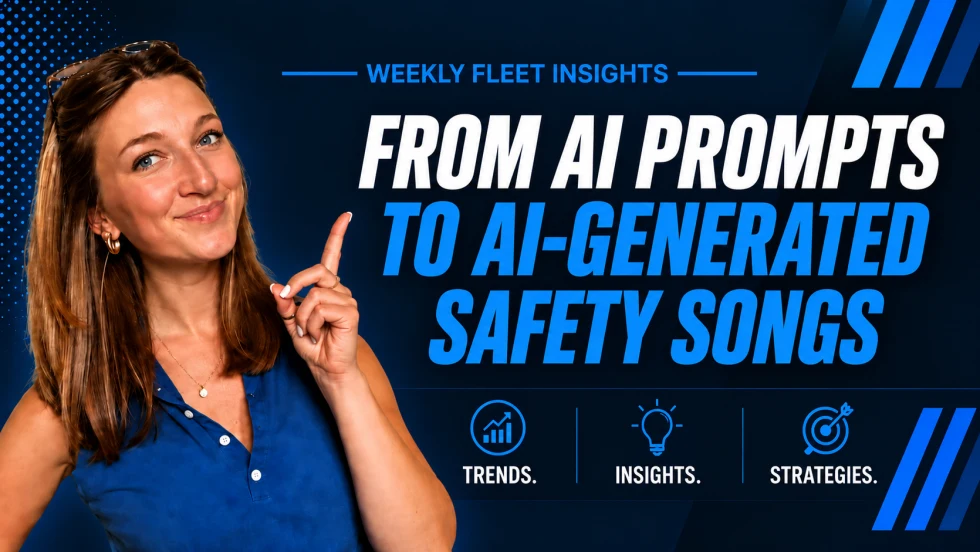
From AI Prompts to AI-Generated Safety Songs | AF News Recap
Can better prompts make AI more useful for fleet managers? This week, we’re breaking down smarter fleet analysis, an AI-assisted experiment that turned safety training into music, and what happened to fuel prices in August.
Read More →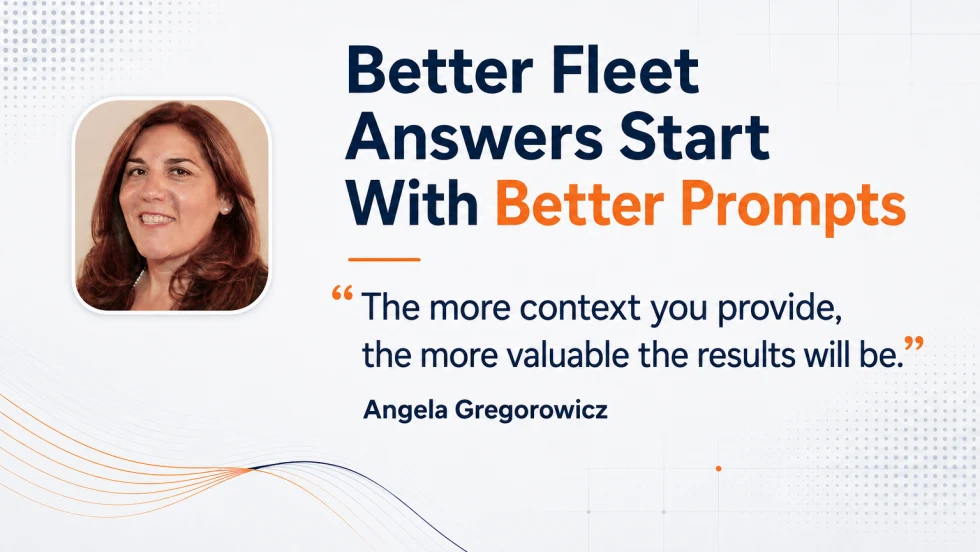
How to Write Better AI Prompts for Fleet Analysis
Include these six elements in your fleet prompts to generate more relevant analysis and accurate answers.
Read More →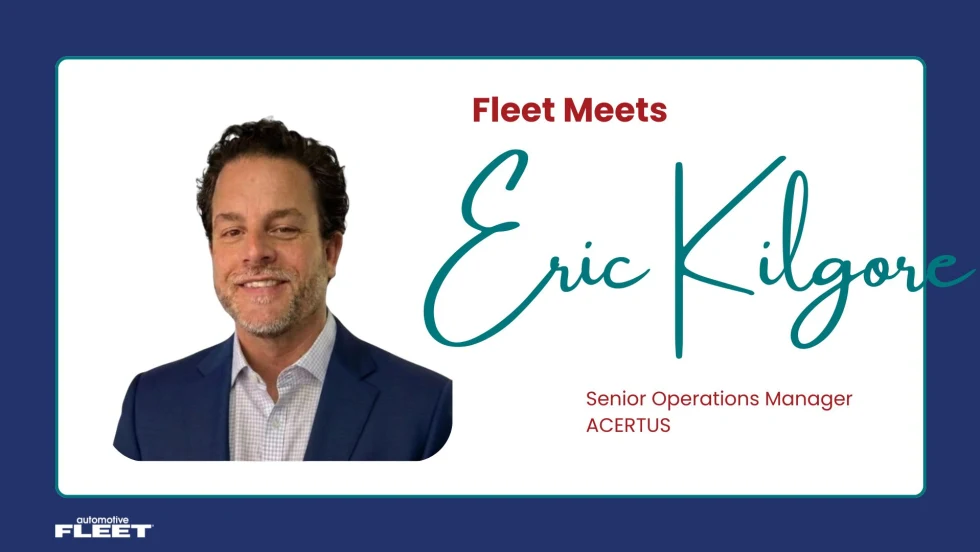
Fleet Meets: Eric Kilgore
This edition of the Fleet Meets series features one of the industry's best leaders driving multi-market and national operations.
Read More →
Why Reactive Fleet Management Is Becoming Too Expensive to Sustain
Research highlights a growing need for proactive management strategies to address rising costs in fleet operations effectively.
Read More →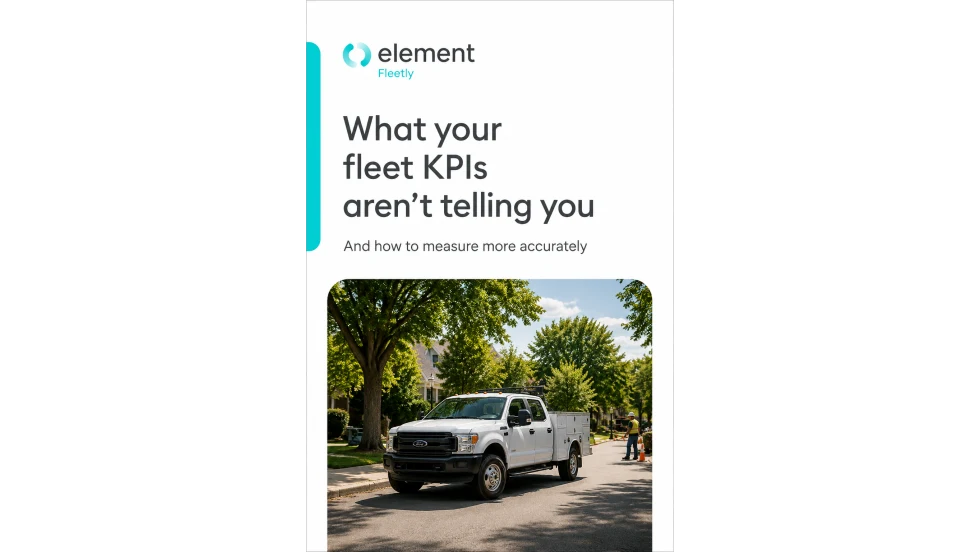
What Your Fleet KPIs Aren’t Telling You
Tracking fleet metrics is only useful when the data leads to better decisions. This guide helps fleet leaders assess cost, utilization, and downtime more accurately, identify performance gaps, and prioritize the actions that can improve operational results.
Read More →
Hidden in Plain Sight: Fleet Compliance Risks
Fleet compliance isn't just about having policies — it's about consistently enforcing them. This practical guide reveals six hidden compliance risks common in public sector and shared fleet operations and outlines proven strategies to improve visibility, accountability, and audit readiness
Read More →