




Great Fleet Mangers Work in Sync with Corporate Goals
Top-notch fleet managers not only run efficient, cost-effective fleets, but also implement and promote fleet programs that are aligned, with corporate goals and that contribute to the overall success of their companies.
In today's uncertain and constantly-changing business environment, the very best fleet managers - such as Automotive Fleet's 2003 Fleet Manager of the Year Josie Sharp - implement fleet programs that contribute to the achievement of overall company goals.
"Perhaps the place that fleet managers can contribute the most is really managing the corporate goals with fleet programs," says Jim Frank, president of Wheels Inc., a fleet management company based in Des Plaines, IL. "It's important to step back and ask 'Why do we have this fleet?'; 'What is the employer trying to accomplish with this fleet?'; and 'Have we built programs that are well-synchronized with the requirements that the company has to be successful?' The best, most-efficient fleet program in the world, if it's not supportive of corporate goals, is not a great fleet program."
Frank, who was interviewed prior to AF's awards brunch held May 4, 2003, in Philadelphia, said that while these corporate goals differ from company to company, the need to incorporate them in fleet remains the same throughout the industry.
"You see companies that are focused on cash flow, others that are focused on reported profitability, and others that are focused on employee retention, hiring, productivity, and/or satisfaction," Frank says. "All of those things dictate different policies and different programs. The fleet manager who gets that right is probably doing the most exceptional job."
Frank believes another important trait common among today's best fleet managers is flexibility. Since corporate objectives change rapidly, the fleet manager needs to be able and willing to adapt at the same pace. This is especially true in mergers and acquisitions, where two (or more) different fleets with different cultures and goals need to be integrated.
Sharp of Aventis, for example, successfully implemented the consolidation and integration of the Hoescht Marion Rousel and Rhone Poulenc Rorer fleets.
Fleet managers who build credibility within their organizations and who are able to effectively communicate ideas and objectives both up and down the corporate ladder are usually best able to anticipate and react to change.
"Anticipation becomes that much more important," he says. "You can't do things at the last minute because you don't have time to think and plan. You've got to be looking ahead trying to figure out what the issues are going to be and trying to prepare yourself because you're not going to have a lot of time to respond to some of the things that happen so quickly."
Frank also believes that general management skills are an integral part of a great fleet manager's repertoire. In particular, communication skills are crucial. Good fleet managers know how to communicate their positions and influence corporate decisions.
"Ultimately, it's about accomplishing corporate goals and objectives and the fleet manager is in a fairly unique position to be able to translate those needs and goals to specific programs."
More Operations
Here's When You Should Make an Exception to Fleet Policy
Fleet policies are designed to create consistency, but not every driver or situation fits neatly within standard rules.
Read More →
AI-Native or AI-Acquired: What Should Fleet Managers Look for in an AI Platform?
Six questions can help fleet managers look beyond AI marketing claims to evaluate integration, data access, and real-world operational performance.
Read More →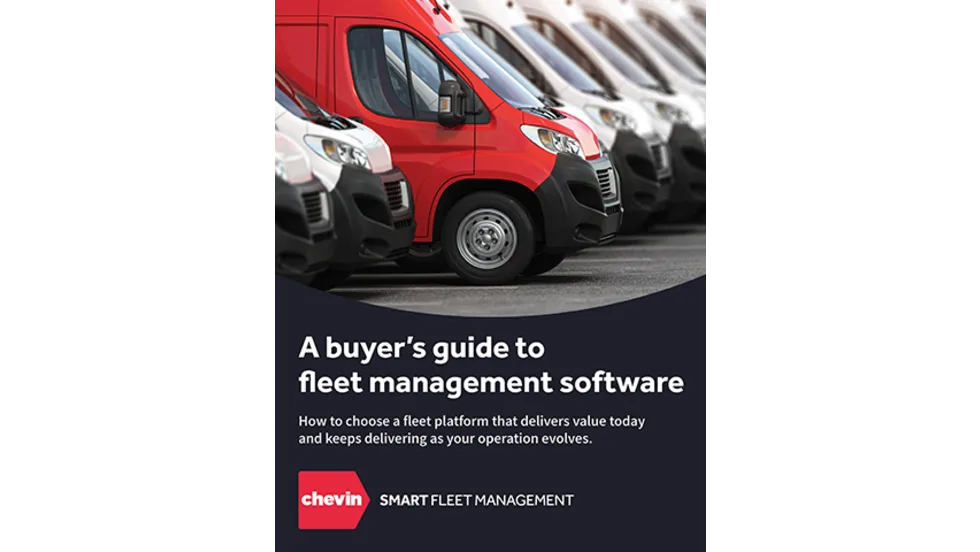
A buyer's guide to fleet management software in 2027
Buying fleet management software in 2027 means looking beyond features and price. As fleet operations, technology and expectations evolve, this guide explores what today’s fleet professionals should consider when choosing a system that can deliver value now and adapt to what comes next.
Read More →

What Will Shape the Next Era of Fleet Management?
EVs, AI, and autonomous vehicles are reshaping fleet management. Discover what’s ahead—and how fleet leaders can prepare for the next era.
Read More →
How Fleets Can Recruit and Train Veterans for Technician Roles
Here's how the technician shortage has affected uptime for fleets, and what to do about it.
Read More →
Avis Budget Group Deploys Neology Toll Management Technology Across Major Brands
Neology’s neoFleet platform will manage toll transactions and toll-authority operations for vehicles across Avis, Budget, Payless, Budget Truck and Zipcar.
Read More →
Fleet Personal-Use Charges Edge Higher in 2026
Nearly eight in 10 surveyed fleets allow personal use of company vehicles, while just over half of respondents report charging employees for the privilege.
Read More →
The Future of Fleet + What’s Changing Right Now | AF News Recap
Could developments overseas offer a preview of what’s coming for U.S. fleets? This week, we’re looking at the future of AI, autonomy, and electrification, plus Ford Pro’s new certified pre-owned program, smarter vehicle offboarding, and a new way for fleets to manage toll expenses.
Read More →
How to Handle Vehicle Offboarding
What do fleet managers need to do when a driver leaves?
Read More →
Fleet Manager’s Ultimate Playbook: Navigating the New Standard in OEM Connectivity
Rising operating costs, driver safety concerns, and unplanned downtime are putting unprecedented pressure on modern fleets. Discover how fleet managers use embedded OEM connectivity and real-time vehicle data to cut TCO, prevent downtime, and protect drivers without aftermarket telematics hardware.
Read More →