




Going Green in the Bluegrass State
Clean Cities’ longest-serving coordinator is paving the way for alternative fuels and advanced vehicles in Kentucky.
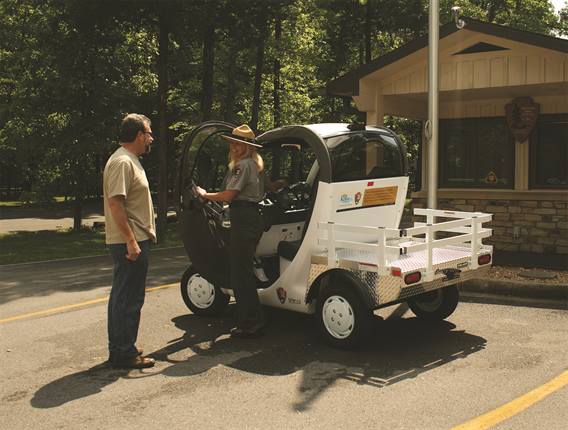
The GEM electric vehicle will be used for numerous tasks that take rangers around the Mammoth Cave Campground and the Visitor Center area.
In the world of sustainable fleet operations, few have been in the trenches longer than Melissa Howell, coordinator of the Kentucky Clean Cities Partnership (KCCP).
For nearly two decades, Howell has been working with fleets, fuel providers, vehicle manufacturers, policymakers, and other transportation stakeholders to cut emissions and petroleum use in the Bluegrass State and beyond. In 1994, a year after the U.S. Department of Energy launched the national Clean Cities program, Howell helped found KCCP. She has held the reins ever since, making her the longest-serving coordinator among the nation’s nearly 100 local Clean Cities coalitions.
“Thanks to Melissa Howell’s tireless dedication and commitment, Kentucky is less reliant on petroleum, and its residents are realizing tangible economic and environmental benefits,” said National Clean Cities Director Dennis Smith.
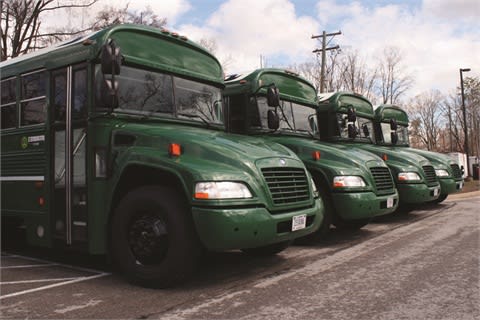
Visitors to Mammoth Cave
National Park ride propane-autogas-powered buses, acquired with assistance from the U.S. Department of Energy’s Clean Cities program. Melissa Howell worked closely with the park to help place the buses into operation.
Howell has assisted with alternative-fuels deployment projects undertaken by fleets of all shapes and sizes, including those of Fort Knox army base, UPS, the universities of Kentucky and Louisville, and Murray State University. Howell has worked closely with Mammoth Cave National Park for many years, helping it become the first national park in the country to operate all its vehicles on alternative fuels, including propane autogas, biodiesel, electricity, and ethanol blends. These efforts are helping the park reduce its transportation-related emissions and showcasing these fuels and technologies to visitors.
And, thanks to Howell’s leadership, thousands of Kentucky students ride to school each day on diesel-electric hybrid buses. School districts across the state now operate a combined 156 hybrid buses, and project partners analyze vehicle performance data on an ongoing basis.
On the right routes, and with proper driver training, some of the hybrids are achieving double the fuel economy of their diesel counterparts.
“We look at the data as it comes in,” Howell said. “When we see that one county is knocking it out of the park in terms of fuel savings, we can share the keys to its success with other districts.”
More Green Fleet
EV Charging Use Is Outpacing Infrastructure Growth
ChargePoint’s 2026 Charging Forward Report points to rising charger use, higher-powered charging, commercial vehicle electrification, and energy-management technology. Here’s what fleets should know.
Read More →
Merchants Fleet Reports 290M EV Miles as Fleets Navigate Changing Electrification Market
From millions in operating savings to hundreds of millions of EV miles, Merchants Fleet’s latest report reveals what’s working and what’s changing in fleet electrification.
Read More →
The EV Breakdown Nobody's Talking About: Why Most Electric Vehicle Roadside Calls Aren't Mechanical Failures
Here's why EV breakdowns are widely misunderstood.
Read More →
ChargePoint Now Available in Energy Pass
ChargePoint and additional planned charging network integrations were added to GM's Energy Pass.
Read More →

First Look: Slate Auto's Electric Fleet Pickup
Could an affordable, modular EV pickup make electrification more practical for fleets?
Read More →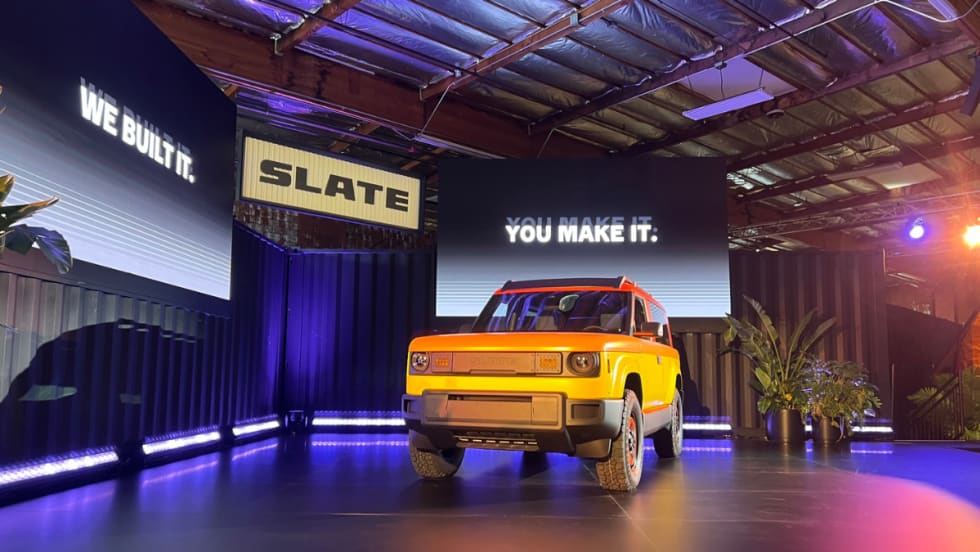
Slate Debuts Colorful, Unique EV Models
A recent media and client event, studded with electric vehicles dressed up on platforms, planted a new position for the manufacturer in the wider EV market. Fleets will find cost-saving advantages.
Read More →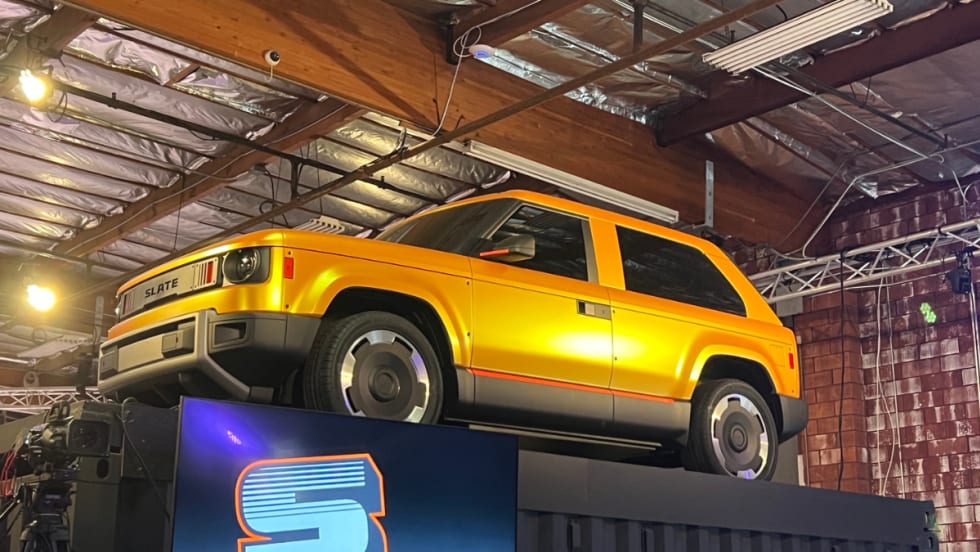
Slate Electric SUV, Pickup Switchable Model Aims For Light-Duty Fleets
Everything about this EV is counterintuitive and understated, making it stand out from the crowd.
Read More →
Inspiration Mobility Acquires Key Electrada Assets
Inspiration Mobility Group has acquired select assets of Electrada, adding the fleet electrification provider's team, technology, and charging infrastructure development capabilities to its energy management business.
Read More →
Turning Connected Vehicle Data Into Decisions That Matter
Fleet leaders have more data than ever, but turning that data into clear, actionable decisions remains a challenge. This white paper shows how leading organizations are using connected vehicle data to improve safety, reduce costs, and optimize fleet performance. Learn how to turn insight into action across your fleet.
Read More →