





Further Reading: Aluminum and Nickel Prices Surge
Geopolitical Frictions Create New Supply Disruptions
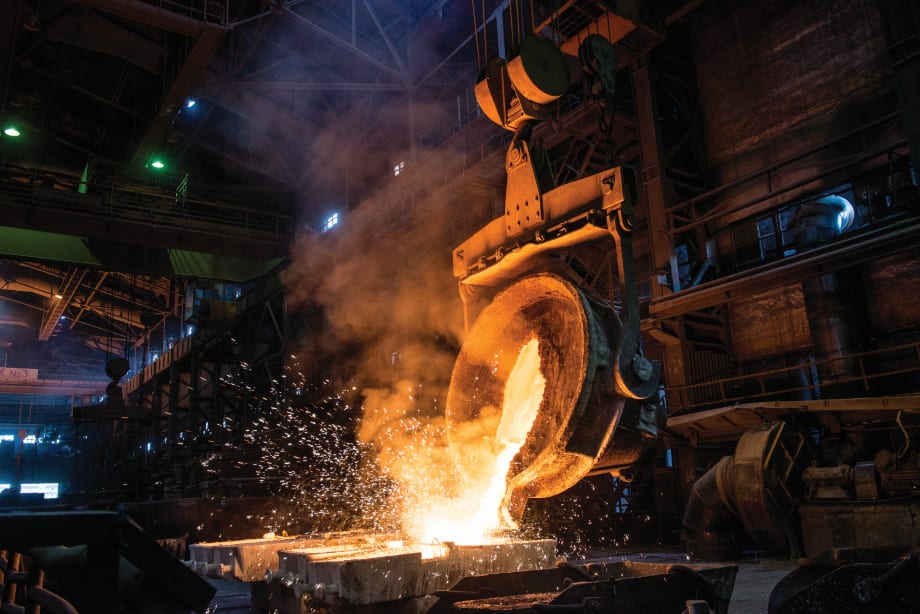
Globally, Russia is the fourth largest producer of finished aluminum. Today’s geopolitical tensions caused by the Russo-Ukraine War will exacerbate pre-existing constraints for commodities such as aluminum and natural gas.
March 31, 2022
To hear it from the source, check out Mike's interview with Mike Butsch, business development manager for Primrose Alloys, using the video link above.
Gettyimages.com/maki_shmaki
7 min to read
For the past year-and-a-half, there has been a supply/demand imbalance primarily precipitated by the microprocessor shortage and compounded by other constraints in the supply chain, in particular with raw materials used to build products used in fleet applications, specifically aluminum and finished steel.
Today, the uncertainty caused by the current geopolitical situation is causing concerns about commodity-related supply constraints. There is fear of additional disruptions of the supply chain due to today’s geopolitical tensions and the possibility it will extend today’s supply/demand imbalance.
The reason today’s situation in Russia and the Ukraine is so important is because a large percentage of finished metals are sourced and manufactured in these countries, especially aluminum. If there is a tit-for-tat escalation in sanctions, it can potentially crimp the supply of aluminum. Even before the Russian invasion of Ukraine there was a 9-12 month order-to-delivery time to receive aluminum in bulk. All aluminum that will be produced in the 2022 calendar year has already been sold.
This will impact the entire fleet industry. When demand is greater than supply, there is no need for manufacturers to offer strong incentives. Because of higher prices for raw materials, OEMs will be raising prices for 2023 models.
It also costs more to produce finished aluminum and steel than it used to. To produce finished materials, you need heat, which primarily is created by burning natural gas. Europe gets the majority of its natural gas from Russia, which most likely will be increasing in prices or become difficult to source due to the sanctions imposed against its invasion of the Ukraine. In addition, Russia is the top provider of metals to Europe.
The price of aluminum has had back-to-back increases in the first two months of 2022. The price of aluminum is 68% higher since October 2021.
To learn more about the state of the market for commodities used in the fleet industry, AF interviewed Mike Butsch, business development manager for Primrose Alloys, a global metals trading company, to discuss the impact of current geopolitical events on the price of commodities and ultimately its impact on fleet. Below are interview excerpts.
AF: How will today’s geopolitical turmoil, in particular, Russia’s invasion of Ukraine, impact the availability and pricing of commodities, especially metals?
BUTSCH: Any disruption within regions that produce metals, such as what’s occurring in Russia and the Ukraine, has a huge impact on the pricing of these commodities. Russia, for example, is the fourth largest producer of aluminum and is among the top 10 producers of steel as well. The invasion of Ukraine by Russia is going to have a significant impact on metal prices.
AF: What do you see as the top drivers impacting price, availability, and lead times for commodities that are used to manufacture products for the fleet industry?
BUTSCH: These challenges impact not only the product itself, such as the log, which is the first stage of aluminum and the billet material of the steel, but also the actual mined material that makes up steel and aluminum, much of which comes out of Russia and China. Anytime you have a political event, especially a war, it just throws chaos through the market and it paralyzes the production of components made of these commodities.
AF: Yes, and the market was already in a supply/demand imbalance. If there’s a tit-for-tat escalation on these sanctions, it will further aggravate the supply constraints of key commodities, such as aluminum. What impact might this have on automotive manufacturing and ultimately the end-users of automotive products?
BUTSCH: Over the past 40 years, we have seen widespread globalization right down to the mining levels where everything starts. There’s an old saying in the mining industry: If it’s not grown, such as in agriculture, it’s mined. Russia and China are major players that actually drive a lot of those mining activities that support steel and aluminum production.
But in addition to that, there’s the energy issue in Europe. Europe moved to natural gas a long time ago. As you know, Russia is one of the largest producers of natural gas. Who knows what the Russian government might choose to do in regard to the natural gas supply during this time of geopolitical tension?
Making metal is energy dependent, and the cost of that energy, particularly natural gas, drives the pricing of the metal. The higher cost of natural gas is going to increase costs. The higher the cost of natural gas, the more expensive the metal and that’s going to be passed on to end-users.
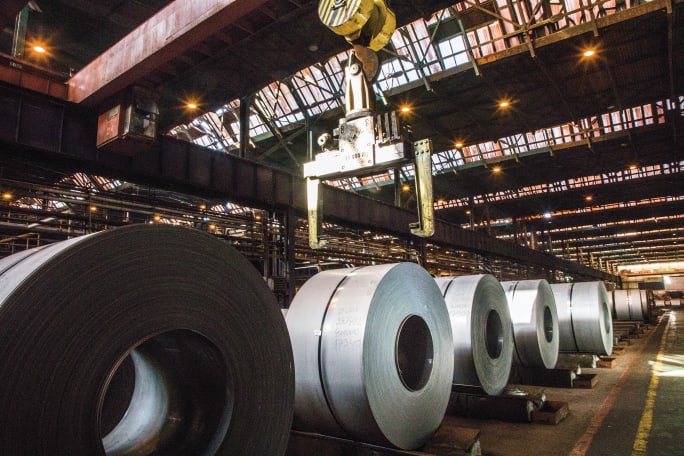
Any disruption within regions that produce metals has a huge impact on the pricing of those commodities. Russia is the fourth largest producer of aluminum and is among the top 10 producers of steel. The war will have a significant impact on metal prices.
Gettyimages.com/SlobodanMiljevic
AF: There were preexisting constraints with aluminum and we’ve seen substantial price increases to its cost already, especially during the first two months of 2022. many readers may not realize is that if you were to buy aluminum in bulk today, it’s going to take you nine to 12 months before you actually take delivery of that resource.
BUTSCH: Yes, one of the things that we saw just this week in the U.S. was a price hike. That’s the second price hike in about six weeks. And again, the price has more than doubled in the past year and part of it is due supply and demand. As the industry moves more toward electrification, EVs need to be lighter and will use more aluminum to manage the energy constraints of the batteries to extend the driving range.
AF: Let’s talk about mill capacity in the United States. What is the current capacity and are mills now taking advantage of the situation by reallocating some of their production to more higher-margin customers?
BUTSCH: Anytime you have a tight supply, there’s a tendency to, if you will, create a “naughty and nice” list. So if you have a customer list of, say, 40 customers and the
bottom third of that customer list is a little problematic, maybe slow paying, and buying lower margin products. When you have a situation of increased demand from your largest customers, there is a tendency to try to meet their needs. We’ve actually seen this happen in both steel and aluminum over the past three years resulting in redistribution and the requirement for higher minimum orders to purchase from the mill. Therefore, it reduces the number of buyers.
AF: There are reports some companies are being proactive but maybe not in a good way, by looking to hoard and acquire product in advance thinking they may need it for a future time in case there’s shortages. How will this impact the production of future supply?
BUTSCH: At the retail level, we’ve seen buyers bulking up over the past several months. You can no longer hedge or do futures with the mills. Today, there is a term called price in effect. So if you order a product, whether it’s steel, aluminum, or stainless ,and it takes six to eight weeks to get, you will get that price on the date of order. But on the day of shipment, you’ll pay whatever the market price is on that day. It forces buyers, as long as they have the cash or the revolving credit, to essentially hedge and buy more than what they need to keep their plants operational, assuming the metal will be more expensive in the future.
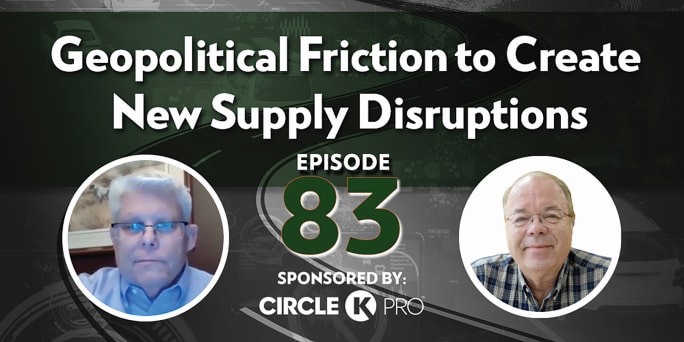
To learn more about inflationary price pressures on commodities used in the fleet industry, AF Editor Mike Antich (right) interviewed Mike Butsch, business development manager for Primrose Alloys, a global metals trading company, to discuss the impact of Russia’s invasion of Ukraine.
Automotive Fleet
AF: One of the consequences of the supply-demand imbalances has been the release of inflationary pressures, which we’ve already seen in certain areas of the economy. These supply constraints and price hikes in metals could add to those inflationary pressures. What are your thoughts on that?
BUTSCH: Any time that you have an unsettled situation, there’s the fear of the future, certainly regarding the images that we’ve all seen on the news. This just plays on the psyche of everyone in the supply chain. We’re coming off of an unprecedented time where we can’t get what we want, when we want. Therefore, when it is available, we tend to pay quite a bit more or we may often buy more than we need.
Also, most of the mills, both steel and aluminum, have reduced the availability of spot metal, pre-selling the majority of it. The spot price, as opposed to a futures contract, is the cash price of that metal in the market at the current point in time. When there is no spot metal availability, you get into a sold-out situation, which spirals up the cost of that metal as demand chases limited availability. This was the situation we were in even prior to today’s geopolitical tensions.
Subscribe to Our Newsletter
More Operations

Avis Budget Group Deploys Neology Toll Management Technology Across Major Brands
Neology’s neoFleet platform will manage toll transactions and toll-authority operations for vehicles across Avis, Budget, Payless, Budget Truck and Zipcar.
Read More →
Fleet Personal-Use Charges Edge Higher in 2026
Nearly eight in 10 surveyed fleets allow personal use of company vehicles, while just over half of respondents report charging employees for the privilege.
Read More →
The Future of Fleet + What’s Changing Right Now | AF News Recap
Could developments overseas offer a preview of what’s coming for U.S. fleets? This week, we’re looking at the future of AI, autonomy, and electrification, plus Ford Pro’s new certified pre-owned program, smarter vehicle offboarding, and a new way for fleets to manage toll expenses.
Read More →
How to Handle Vehicle Offboarding
What do fleet managers need to do when a driver leaves?
Read More →
Sponsored•October 1, 2026
Fleet Manager’s Ultimate Playbook: Navigating the New Standard in OEM Connectivity
Rising operating costs, driver safety concerns, and unplanned downtime are putting unprecedented pressure on modern fleets. Discover how fleet managers use embedded OEM connectivity and real-time vehicle data to cut TCO, prevent downtime, and protect drivers without aftermarket telematics hardware.
Read More →
U.S. Bank Adds Verra Mobility Toll Management to Voyager Fleet Platform
The integration allows U.S. Bank Voyager fleet customers to manage toll payments and violations alongside fuel, EV charging and maintenance expenses.
Read More →
ADAS Prevents Crashes. But Repairs Cost More | AF News Recap
ADAS-equipped vehicles may crash less often, but they can cost more when they do. This week, we’re breaking down what that tradeoff means for fleets, plus Subaru’s first Forester Wilderness Hybrid, Nissan’s new e-POWER Rogue, and why Calstart has become Catalyst Mobility.
Read More →
Moventum Fleet Management Names Mark Iorillo Head of Sales
Iorillo brings nearly 20 years of fleet management and sales experience to the role, including previous positions at Element Fleet Management, CEI, Donlen and Ryder.
Read More →
Fleet Has a Talent Pipeline Problem. What Comes Next? | AF News Recap
Where will fleet’s next generation of leaders come from? This week, we’re looking at the industry’s talent pipeline, what certification can add to a fleet career, how to build an award-worthy track record, and the return of Automotive Fleet’s Personal Use Survey.
Read More →
Smith System Launches Driver Risk Management Program
Fleets have more driver data than ever, but identifying risky behavior doesn't necessarily correct it. Smith System's new Driver Risk Management program combines monitoring, training, and follow-up coaching to help fleets connect risk signals with driver intervention.
Read More →