




Gas vs. Hybrid: A Fleet Analysis
The lifecycle cost experts at Vincentric help put a price tag on greening your fleet.
How Much Green Does It Take to "Go Green?"
In this issue, we profile Oakhurst Dairy and how it manages its environmental initiatives within the realities of running a profitable business. In addition to switching its trucks to biodiesel, Oakhurst is replacing its sales fleet with hybrid vehicles.
Vincentric performed a fleet-centric lifecycle cost analysis on hybrid models and their straight-gas counterparts at three and five years. Vincentric calculated 20,000 annual miles and gas prices as of Dec. 18, 2006. Due to the low availability of hybrids for fleet buyers, cap costs for hybrids were figured using Vincentric's retail Market Price, which estimates the typical price a retail buyer pays.
Unlike our Lifecycle Analysis chart published every issue, Vincentric included other costs—financing, opportunity cost (the interest income that could have been earned on out-of-pocket costs), fees and taxes (including hybrid tax credits) and insurance—to get as accurate a real world cost per mile as possible. Hence the total lifecycle costs will be higher than those in our usual chart.
As this is strictly a cost calculation, hybrid availability for specific models is not taken into account. Fleets generally have to wait in line for hybrids just like the general public.
Lowest Costs Per Mile
Looking at the three-year totals, the Toyota Prius wins the hybrid lifecycle crown at 41 cents per mile, followed closely by the Civic hybrid at 43 cents per mile.
The hybrid versions of the Toyota Camry, Ford Escape and Saturn VUE all tie for third at 49 cents per mile. Vincentric's analysis found that only one hybrid—the Ford Escape—beat its gas counterpart in cost per mile, with 49 cents for the hybrid and 51 cents for the gas powered.
The Escape hybrid has a reasonable premium over the gas-only version ($3,350 difference in acquisition cost) and delivers an average of 9 miles per gallon better fuel economy as rated by the EPA.
The costs per mile of the Civic and VUE hybrids are virtually tied with their gas models or off by a penny, depending on trim level. The Highlander hybrid, on the other hand, gets an average of 7.5 miles per gallon over the gas vehicle, and carries a hefty $8,979 premium.
Hence the cost per mile of the Highlander hybrid is 13 cents more than its traditional twin. From a strict cost-per-mile standpoint, the luxury hybrids—the Lexus GS 450h and RX 400h—don't make a lot of sense.
The GS 450h has the highest cost per mile of any vehicle in this analysis at 93 cents per mile, a full 14 cents higher than the gas-powered GS 430 and 21 cents higher than the GS 350. The RX 400h suffers a 10–cent differential over the RX 350.
These "performance" hybrids offer more horsepower and more standard features—but they are not the first choice when choosing green vehicles. As a benchmark for all vehicles, the gas-powered Toyota Corolla, with the lowest acquisition cost in this bunch and excellent fuel mileage, beats all hybrids and gas-powered vehicles in this analysis at 37 cents per mile.
In doing any financial analysis of hybrids, it becomes clear that there are plenty of gas-powered vehicles that deliver a better cost per mile than hybrids—and many with excellent fuel economy. [PAGEBREAK]
Five-Year Analysis
One might think that aging a hybrid in fleet would bring the costs in line with the gas-powered vehicles by allowing the hybrid more time to recoup fuel savings.
At five years, the hybrids gain only about two to four cents in costs per mile; none overcome their gas-powered counterparts. The biggest gainer is the Lexus GS 450h, which recoups five more cents per mile. Yet this model is still by far the costliest in the bunch.
These Numbers Will Change
The EPA is changing its fuel economy calculations to reflect real-world conditions. Tests show the hybrids suffer a bigger gap between actual and stated fuel economy than gas vehicles. Hybrid tax credits are another moving target.
The tax credit begins phasing out in the second calendar quarter after each manufacturer sells 60,000 hybrids. Toyota passed that milestone in the second quarter of 2006. (The credit for the Prius shrank from $3,150 to $1,575.) Honda will likely reach that mark in Q4 of 2007. Ford has a ways to go.
The Green Price Tag
A corporate green initiative pays ancillary dividends. It shows your employees and clients that your company values the environment, and it can help align your company with a progressive, environmentally-conscious niche in the marketplace.
And, simply, conserving the Earth's resources is the right thing to do. The question is, can you afford it? This analysis will help you put a price tag on greening your fleet with hybrids. To view the Vincentric Hybrid/Gas Lifecycle Cost Comparison chart, click here.
More Green Fleet

EV Charging Use Is Outpacing Infrastructure Growth
ChargePoint’s 2026 Charging Forward Report points to rising charger use, higher-powered charging, commercial vehicle electrification, and energy-management technology. Here’s what fleets should know.
Read More →
Merchants Fleet Reports 290M EV Miles as Fleets Navigate Changing Electrification Market
From millions in operating savings to hundreds of millions of EV miles, Merchants Fleet’s latest report reveals what’s working and what’s changing in fleet electrification.
Read More →
The EV Breakdown Nobody's Talking About: Why Most Electric Vehicle Roadside Calls Aren't Mechanical Failures
Here's why EV breakdowns are widely misunderstood.
Read More →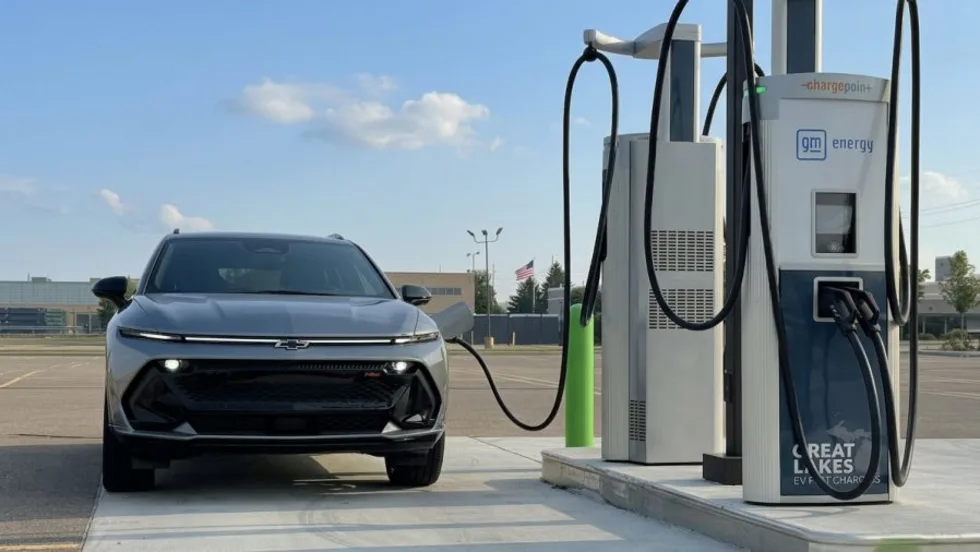
ChargePoint Now Available in Energy Pass
ChargePoint and additional planned charging network integrations were added to GM's Energy Pass.
Read More →

First Look: Slate Auto's Electric Fleet Pickup
Could an affordable, modular EV pickup make electrification more practical for fleets?
Read More →
Slate Debuts Colorful, Unique EV Models
A recent media and client event, studded with electric vehicles dressed up on platforms, planted a new position for the manufacturer in the wider EV market. Fleets will find cost-saving advantages.
Read More →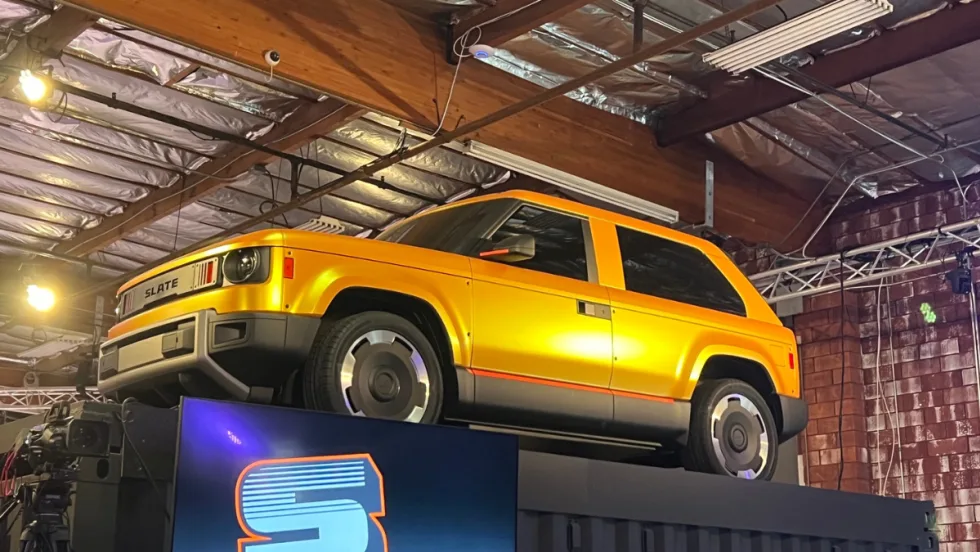
Slate Electric SUV, Pickup Switchable Model Aims For Light-Duty Fleets
Everything about this EV is counterintuitive and understated, making it stand out from the crowd.
Read More →
Inspiration Mobility Acquires Key Electrada Assets
Inspiration Mobility Group has acquired select assets of Electrada, adding the fleet electrification provider's team, technology, and charging infrastructure development capabilities to its energy management business.
Read More →
Turning Connected Vehicle Data Into Decisions That Matter
Fleet leaders have more data than ever, but turning that data into clear, actionable decisions remains a challenge. This white paper shows how leading organizations are using connected vehicle data to improve safety, reduce costs, and optimize fleet performance. Learn how to turn insight into action across your fleet.
Read More →