




Gas, Hybrid and Diesel: A Lifecycle Cost Analysis
Higher fuel prices and moderating acquisition costs have improved hybrids’ return on investment in recent years. Diesels step into the “green” spotlight with new models and strong lifecycle costs.


Vincentric, pioneers in lifecycle cost analyses for fleets, compared hybrid models to their gas-powered counterparts in the January/February 2007 issue of Business Fleet.
Much has changed in the world of alternative-powered vehicles since then. Fuel prices have fluctuated wildly on an upward trajectory, affecting payback lengths for alt-powered vehicles. There are more hybrid model offerings today and many have fleet incentives, while some hybrid models' tax credits have expired.
On the diesel front, new, stringent emissions standards and stellar fuel economy have helped diesel passenger car models achieve "green" status.
We asked Vincentric to revisit its cost scenario with diesel vehicles in the mix. Would hybrids be able to overcome their premiums more quickly? How would diesels fare versus gas and hybrid power?
Hybrids - Quicker ROI
In the original analysis, only one out of 11 hybrid models paid back its hybrid premium compared to its gas counterpart after three or five years.
In the present analysis, out of 18 hybrid and gas pairs selected, seven pay back their hybrid premiums by three years, eight within five years. Recent higher fuel prices and moderating acquisition costs have improved the economics of hybrids in fleets.
Toyota/Lexus and Honda have used up their hybrid tax credits (under present rules) while domestic and European hybrid manufacturers have not. Nonetheless, Toyota, Lexus and Honda have the lowest, or are tied for the lowest, in lifecycle costs in each segment.
Ford Fusion, Honda Civic and Toyota Camry hybrid models overcome their premiums within three years.
Honda Insight and Toyota Prius, the two proprietary hybrid models, have the lowest costs per mile of any of the hybrid models. However, Toyota Corolla has the lowest cost per mile overall in this study. Honda Civic is a close second.
Four hybrid luxury models (Cadillac Escalade Hybrid, Lexus HS 250h, Lexus RX 450h and Mercedes S400HV) overcome their premiums in only three years.
Many Diesels Outperform Gas
In general, high fuel costs combined with stellar fuel economy, federal diesel tax incentives, and a smaller spread between gas and diesel model acquisition costs translate into a quicker return on investment than the models in the gas to hybrid analysis.
Diesel tax incentives, where available, range from $900 to $1,800.
This ROI is in spite of the fact that diesel pump prices ran 23 cents more per gallon than regular unleaded ($3.01 to $2.78) as of this analysis.
Five of the six luxury diesel models analyzed return their diesel premiums well within three years.
Volkswagen Jetta Diesel has the lowest lifecycle costs of all diesels, though it takes five years to return its premium.
Vincentric included ¾-ton pickup models and their diesel counterparts. Diesel pickups return their premiums in longer time frames than any other hybrid or diesel model in this analysis. Certainly, a straight cost analysis does not consider the torque and engine longevity advantages of diesel power in pickup applications.
Mercedes is the only manufacturer that makes a similar gas-, hybrid- and diesel-powered model, the ML350, ML450H and ML350CDI. The diesel model wins the lifecycle cost race easily.
Vincentric included Honda Civic CNG (compressed natural gas) in this analysis. Civic CNG does not beat the gas- or hybrid-powered
Civic models in overall cost.
To view the complete lifecycle cost analysis charts, click here.
More Green Fleet
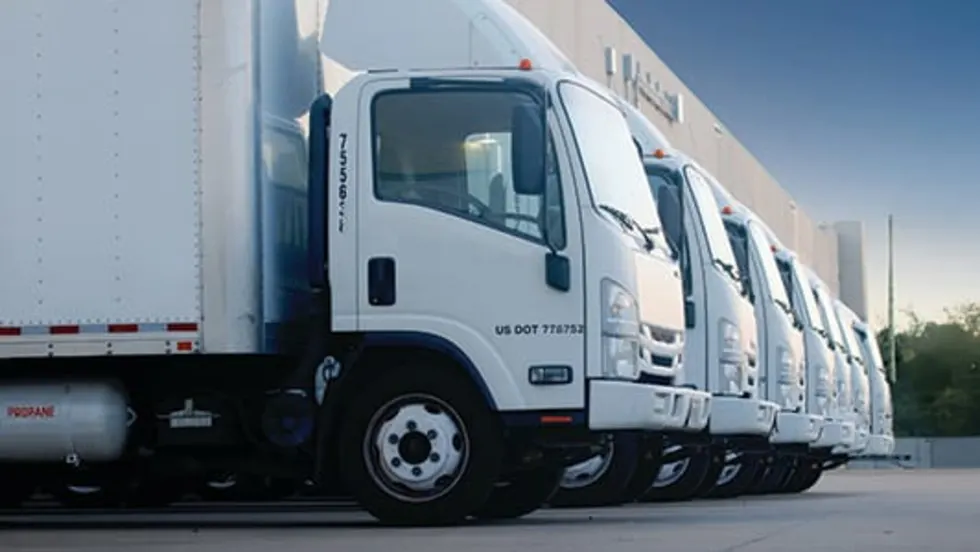
New Propane Autogas Program Offers Fleet Compensation
Qualified commercial fleets can receive $7,500 per eligible propane autogas vehicle and up to $10,000 for new refueling site prep. Learn how the program works and see whether your fleet qualifies.
Read More →
EV Charging Use Is Outpacing Infrastructure Growth
ChargePoint’s 2026 Charging Forward Report points to rising charger use, higher-powered charging, commercial vehicle electrification, and energy-management technology. Here’s what fleets should know.
Read More →
Merchants Fleet Reports 290M EV Miles as Fleets Navigate Changing Electrification Market
From millions in operating savings to hundreds of millions of EV miles, Merchants Fleet’s latest report reveals what’s working and what’s changing in fleet electrification.
Read More →
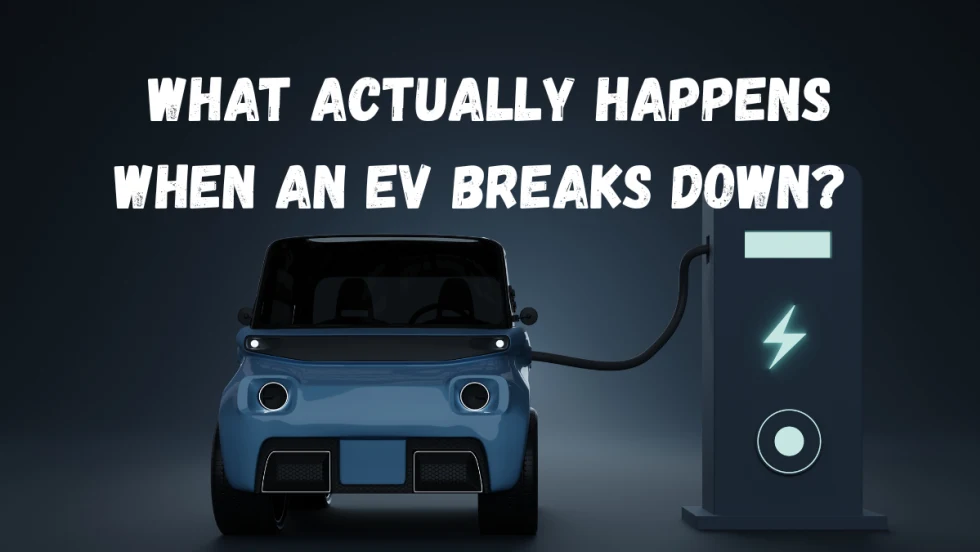
The EV Breakdown Nobody's Talking About: Why Most Electric Vehicle Roadside Calls Aren't Mechanical Failures
Here's why EV breakdowns are widely misunderstood.
Read More →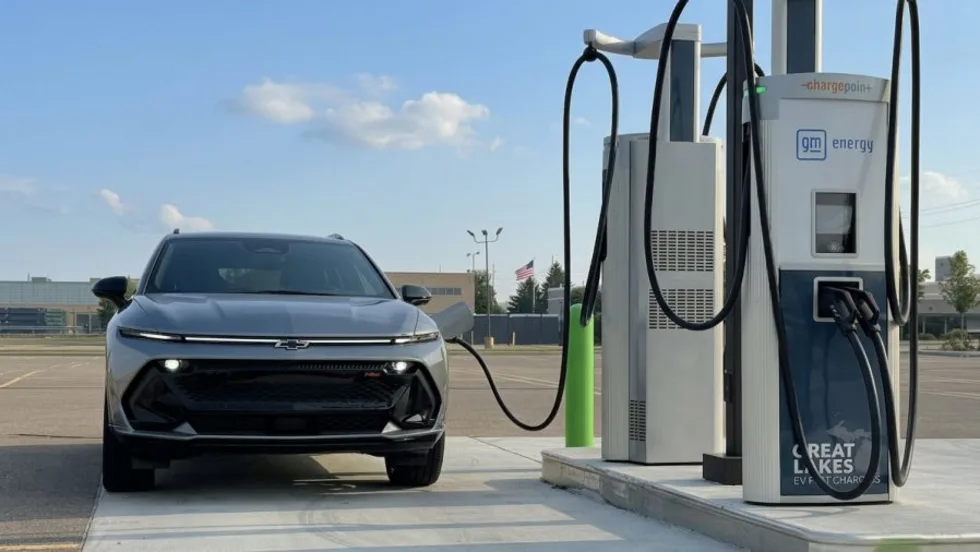
ChargePoint Now Available in Energy Pass
ChargePoint and additional planned charging network integrations were added to GM's Energy Pass.
Read More →

First Look: Slate Auto's Electric Fleet Pickup
Could an affordable, modular EV pickup make electrification more practical for fleets?
Read More →
Slate Debuts Colorful, Unique EV Models
A recent media and client event, studded with electric vehicles dressed up on platforms, planted a new position for the manufacturer in the wider EV market. Fleets will find cost-saving advantages.
Read More →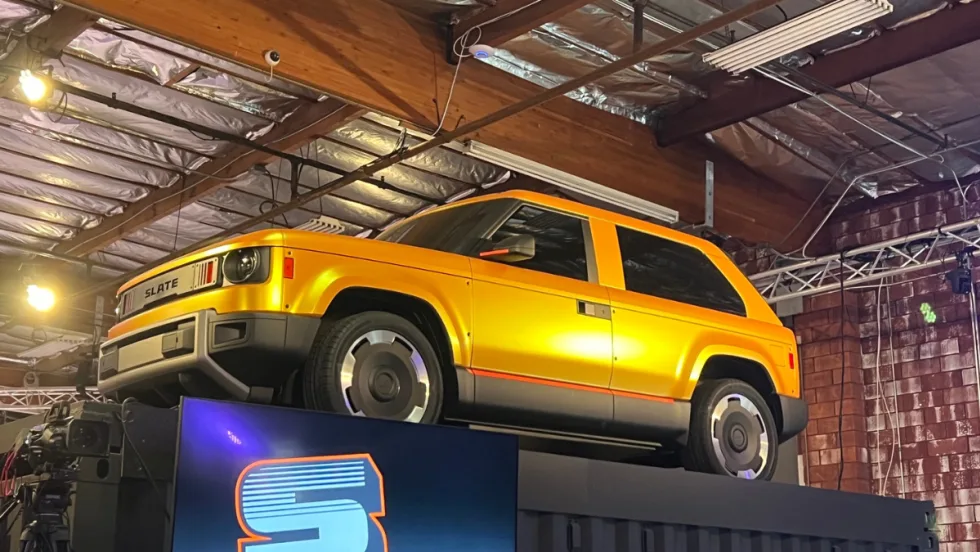
Slate Electric SUV, Pickup Switchable Model Aims For Light-Duty Fleets
Everything about this EV is counterintuitive and understated, making it stand out from the crowd.
Read More →
Inspiration Mobility Acquires Key Electrada Assets
Inspiration Mobility Group has acquired select assets of Electrada, adding the fleet electrification provider's team, technology, and charging infrastructure development capabilities to its energy management business.
Read More →