




Four Ways to Minimize Upfit Lead Time
Upfitting a vehicle is a process that requires thought and consideration. It is essential that fleet managers and all suppliers collaborate on upfits. In the final analysis, there are four proven strategies that will expedite OTD for upfits.

[EMPTY CREDIT]
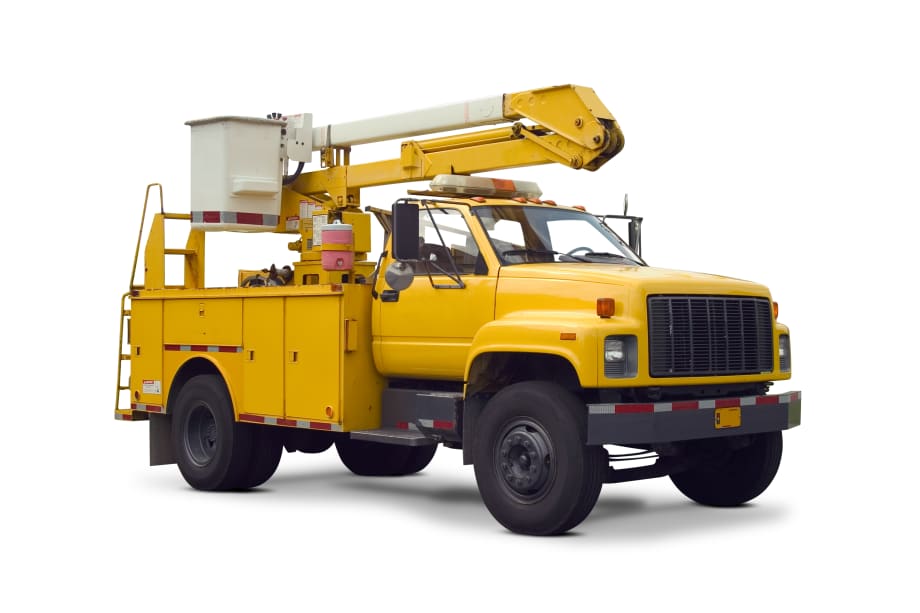
Upfitting a vehicle to perform a specific task is one of the more complicated aspects of fleet management. It is fraught with pitfalls to make mistakes and delay deliveries. Fleet managers need to be extra careful when planning upfit specifications because any after-the-fact engineering changes will be expensive and delay OTD times. Here are four strategies to minimize upfit lead time.
Advance Planning is Crucial
There are a multitude of specialized fleet applications that require the installation of auxiliary equipment on a truck or in a van. What complicates planning is that there are as many ways to upfit a truck as there are truck and body configurations. Since no two fleets are alike, auxiliary equipment needs will vary depending on the application. Planning is critical because each fleet is specialized to its own needs, and what works for one may not work for another. There are many moving parts in upfitting a vehicle, which makes early planning essential for completing an upfit in a timely manner.
Order as Early as Possible
Fleet managers should place new vehicle orders as early as possible to buffer against possible production or transportation delays. In addition, OEM production timeframes will vary especially around start-up and build-out dates. Sometimes, OEMs will move build-out dates forward, resulting in the inability to place needed orders and leading to delays as you search for out-of-stock units.
Anticipate Lead Time
Lead times for add-on equipment and bodies can be very long and they need to be coordinated with anticipated chassis deliveries to an upfitter. One good practice is to order service bodies at the time the chassis is ordered or in transit when scheduling upfits. Using a bailment pool is another alternative when deployment of the upfitted asset is time-sensitive.
Standardize When Possible
Standardization increases operational efficiencies, helps expedite order-to-delivery times, and enhances employee familiarity with equipment, which can translate into increased safety. In addition, standardization allows for volume price discounting from the manufacturer — not just to the vehicle, but in volume discounts for every upfit component — as well as reduced lead times, improved quality, and a more consistent build. Standardization also supports quality assurance and minimizes the need for individual inspections and quality control. In addition, the ability to stock equipment at the installer can shorten upfit lead time, provide flexibility if a vehicle needs to be transferred between branch locations, and facilitates quicker new-hire training.
Despite these benefits, many fleets continue to use too many specs or options, which needlessly complicates fleet ordering and operations. Without a certain degree of equipment standardization, the ability to move vehicles from location to location without impacting operations becomes more difficult. When possible, it should be a priority for vocational fleet managers to focus on standardizing upfit packages. When a fleet manager conducts a detailed examination of equipment across the fleet, it will usually yield a set of specifications that can fulfill the work application in all but a few circumstances.
More Global Fleet
GeoFencing Adds to Your Truck Security Arsenal
Geofencing is a familiar fleet tool today, but its early adoption marked a major shift in vehicle tracking, route monitoring, and the debate over employee privacy.
Read More →
Holman Takes Full Ownership of ARIZA in Mexico
Holman is bringing its Mexican fleet management operation fully under its own brand after more than 30 years as a joint venture. The change gives multinational fleet customers a single Holman operation across the U.S., Canada, and Mexico.
Read More →
5 Tire Maintenance Tips to Help Prevent Work Truck Downtime
Regular tire checks can do more than extend tread life. These five maintenance practices can help work truck fleets catch problems early, reduce costs, and prevent downtime.
Read More →

Proven Ways to Reduce Work Truck Downtime
The age-old problem of downtime will always be a reality, but with new strategies at hand, fleets have more ways to keep trucks on the road longer.
Read More →


Cameras, Safety and Insurance: From Reactive Claims to Real-Time Prevention (Part 2 of 2)
Part Two: Commercial auto remains one of the most challenging and costly lines of coverage for fleet operators and insurers alike. Continue learning more about how to effectively address these issues from Onur Aksan, Enterprise Business Development Executive, Geotab
Read More →
Cameras, Safety and Insurance: From Reactive Claims to Real-time Prevention
Commercial auto remains one of the most challenging and costly lines of coverage for fleet operators and insurers alike. Learn more about how to effectively address these issues from Onur Aksan, Enterprise Business Development Executive, Geotab.
Read More →
Fleet Costs Are Rising: Here’s How Leaders Are Responding
Fleet leaders are under pressure to reduce costs, adapt to economic uncertainty, and make smarter decisions. See how peers across North America are responding with real data, proven strategies, and forward-looking insights. Download the 2026 Market Pulse Report to benchmark your strategy and uncover where you can gain an edge.
Read More →
Enterprise Fleet Management Surpasses 900,000 Vehicles in U.S. & Canada
Enterprise Mobility connects with mobility solutions around the globe
Read More →