




Fleet Meets Tech in San Jose
At the TechCrunch Mobility Sessions, autonomous vehicle players outlined the near future of AV deployments, while Merchant Fleet’s Brendan Keegan invited tech startups to learn more about fleet.

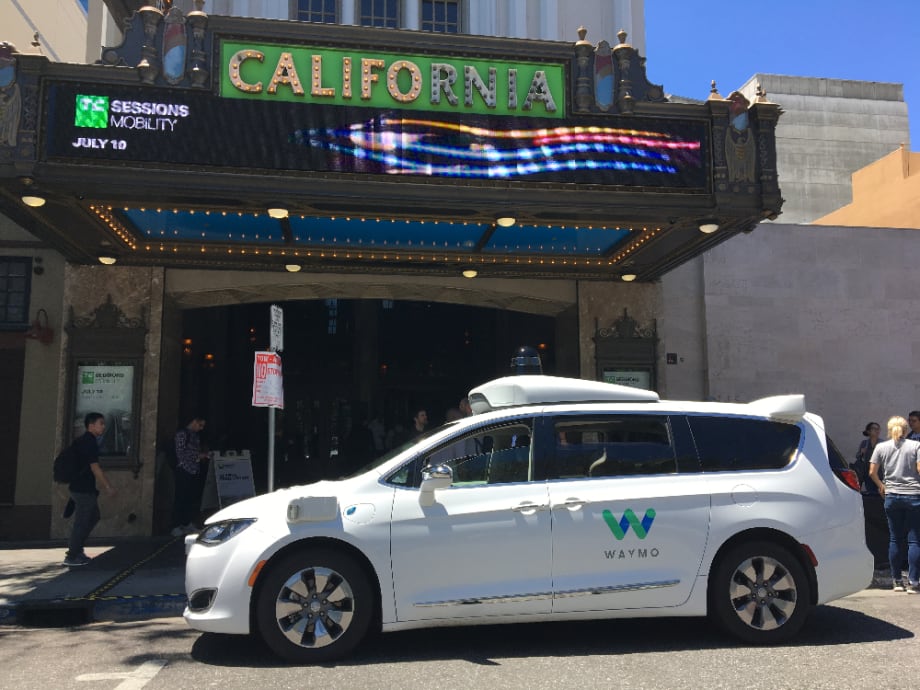
The Waymo autonomous minivan is parked outside the California Theater, site of TechCrunch’s TC Sessions: Mobility on July 10.
Photo by Chris Brown.
At TechCrunch’s TC Sessions: Mobility, which convened July 10 at the California Theater in San Jose, tech startups, giants in the tech industry, and fleet industry veterans gathered to discuss the future of mobility.
Conversations on stage centered around how autonomous vehicles and cities will interact, in which context they’ll be deployed, and how they’ll stay safe.
Merchants Fleet’s CEO, Brendan Keegan, presented a seminar titled “If You Build it, Will they Buy? The Role of the FleetTech Partner in the Future Mobility Ecosystem.”
Here’s a compendium of notable quotes from the presentations.
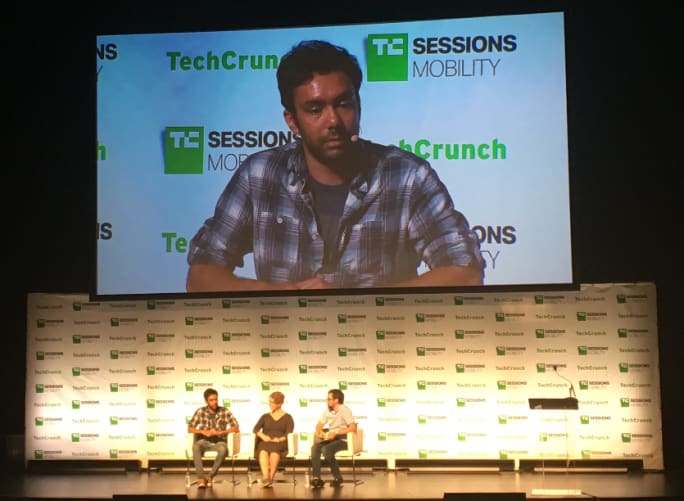
Photo by Chris Brown.
Dmitri Dolgov, Waymo’s CTO:
“We believe there needs to be a critical public value that comes from autonomy as well as a private value. And we believe that the biggest obstacles to deployment of autonomy in our cities are not going to be technological, but rather regulatory and political. And that's why we think partnerships with cities make a lot of sense so we can demonstrate that public value.”
Dolgov professed to taking a self-driving car to work that day. Would he take his kids in an autonomous vehicle?
“Yes, absolutely, I would take my kids on those rides.”
Daniel Laury, CEO of Udelv, an autonomous delivery startup:
“We think that delivery is going to be the first large application of autonomous vehicles. For one good common-sense reason — it's a lot easier and a lot less dangerous to carry goods than it is to carry people.”
Regarding autonomous vehicle regulation in U.S. compared to Europe:
“I think 37 (U.S.) states out of 50 have now enacted legislation regarding autonomous driving. At the same time, if you look at the European Union, for example, they're putting together hundreds of rules to forbidding you to do this or that. It's going to take a long time.”
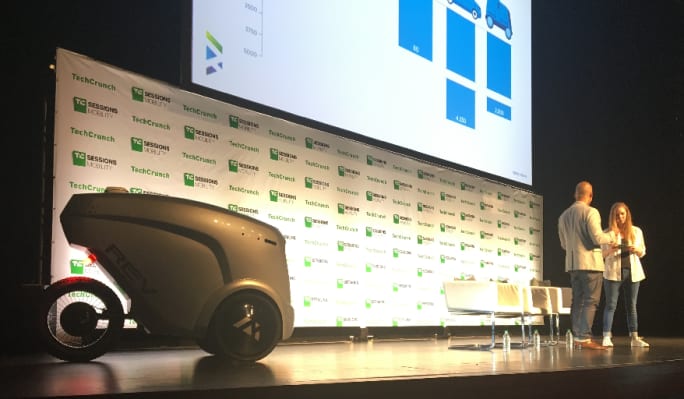
Photo by Chris Brown.
Dave Ferguson, co-founder of Nuro, an autonomous delivery startup:
“We're working on goods transportation specifically at Nuro. … In the U.S., we have 400 billion personal vehicle trips a year, 43% of those are for shopping and running errands.”
“We recognize that if you no longer are constrained to hold passengers inside a vehicle, then you can relax (design) constraints. And that can give you an enormous opportunity to redesign what a vehicle (looks like) on roads.”
Seleta Reynolds, Los Angeles Department of Transportation:
Regarding a real-world scenario of autonomous vehicles interacting in a city:
“It exceeds human capability to solve for all the edge cases you are going to encounter in Koreatown on a Friday afternoon. In order for autonomy to come into cities in that kind of environment, it has to integrate with infrastructure for me to say you can park here, this curb space is going to cost you $1 a minute, or a sinkhole just opened up here. Those operational needs require not just specific data, but they require a two-way exchange of information.”
“What I really want is for technology companies to start to think differently about how they interact with cities, and start to think differently about how they engage with us very early on, so that we can bring together the best actors and let them thrive and let the businesses grow.”
Lia Theodosiou-Pisanelli of Aurora, a self-driving car startup:
“We think that the first deployment of the Aurora (self-driving vehicle) will be in a fleet context, moving people or moving goods.”
“Utilization is certainly important when you start to think about commercialization. These assets are expensive. How can you amortize those costs? A good way to do that is to have a fleet to increase the utilization of vehicles. … We believe you have to plan for deployment in a broad range of scenarios, where you introduce that (autonomous) vehicle within the constraints of a fleet without having it attached to a certain route or a shuttle.”
“Everybody has a lot of concerns. There's a lot we need to do before this is all ready to go.”
Karl Iagnemma, president of Aptiv, a global parts technology company:
Regarding Aptiv’s autonomous ride-hailing service in conjunction with Lyft in Las Vegas (with safety driver):
“We've given more than 50,000 rides so far with no at-fault accidents. And at the end of the ride, we get a star rating like a normal Lyft ride. Our average star rating is 4.95 out of five; 92% of the riders say they feel either safe or very safe in the (autonomous) car. I love that because those 50,000 people have told 50,000 (other people) and that's going to propagate.”
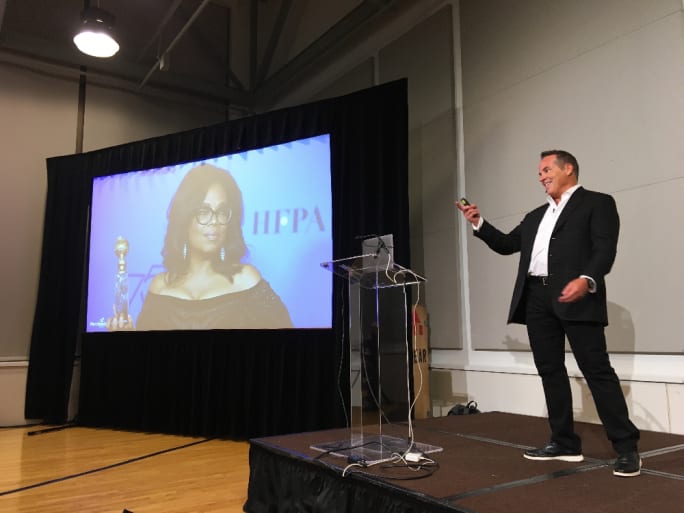
Photo by Chris Brown.
Brendan P. Keegan, CEO of Merchants Fleet:
“We view ourselves as a ‘fleet tech partner,’ an aggregator of suppliers, platforms, and partners that is driving the four forces of mobility: multi-modal, connected, intelligent, and efficient.”
“I believe we’re on the precipice of a fleet management revolution.”
Click here to view a brief interview with Keegan at the event.
More Fleet Forward
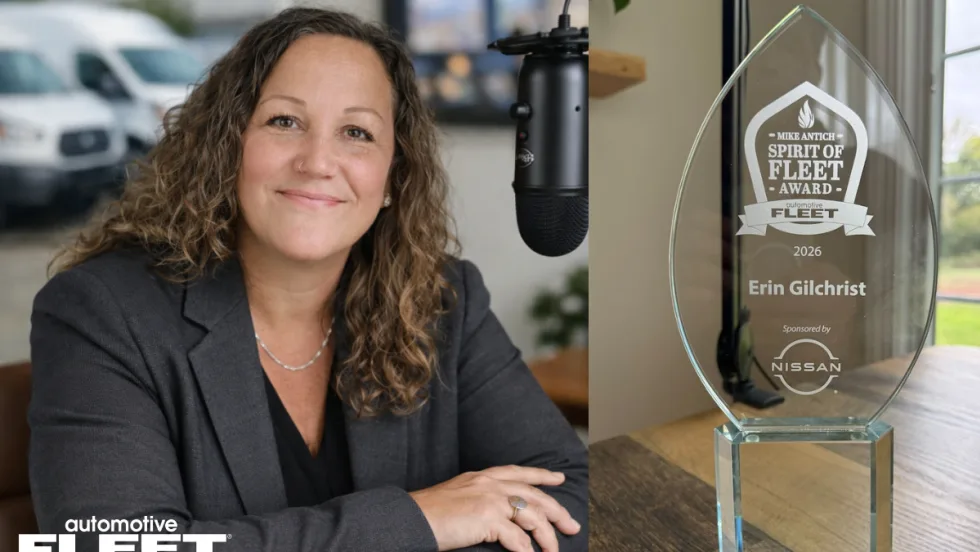
Erin Gilchrist Receives Mike Antich Spirit of Fleet Award
Last week at AFLA in Vegas, Erin Gilchrist received the inaugural, brand-new Spirit of Fleet Award.
Read More →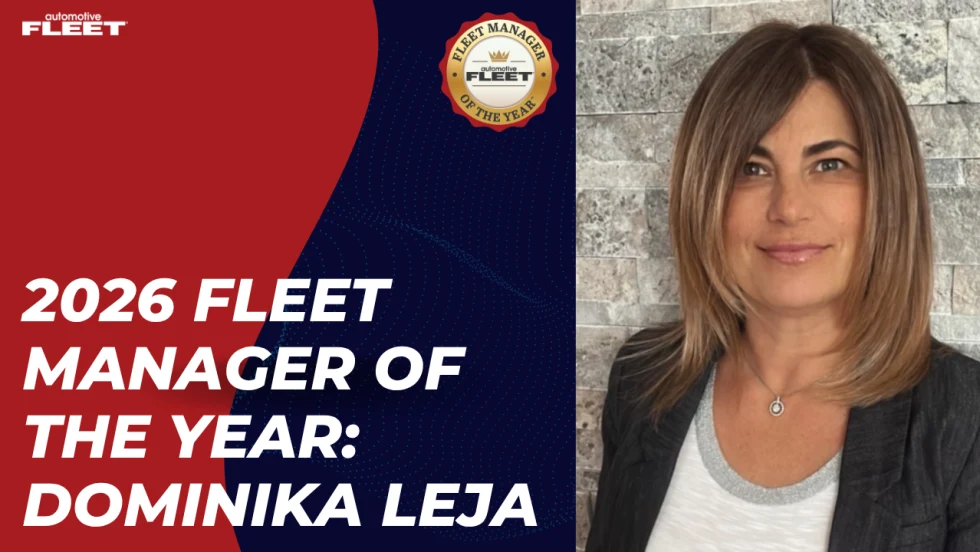
Dominika Leja Named the 2026 Fleet Manager of the Year
The AstraZeneca associate director of fleet was recognized for her leadership in fleet electrification, cost savings, and operational transformation.
Read More →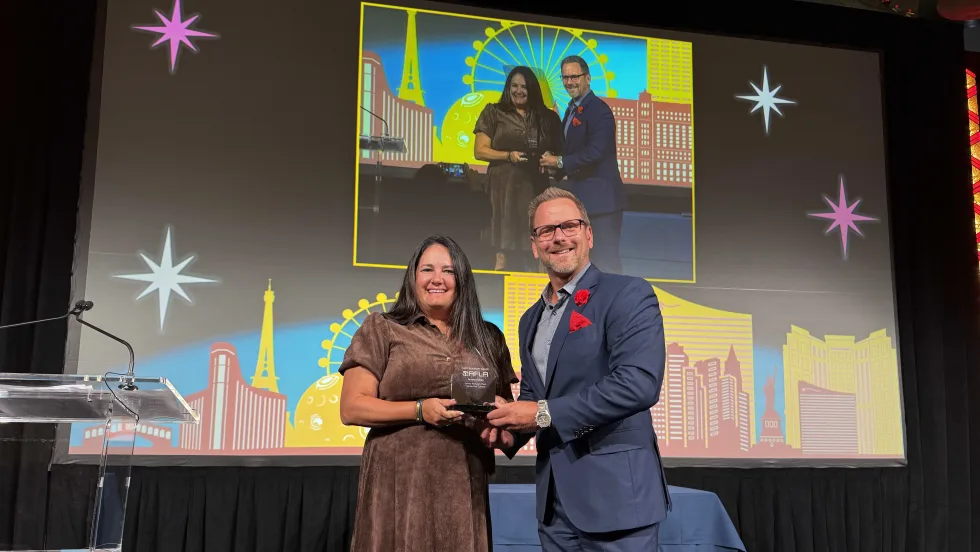
Jamie McKay Named the 2026 Fleet Visionary Award Winner
The Aptive Pest Control fleet manager was recognized for her approach to operations, data, lifecycle management, and driver needs.
Read More →
Fleet Forward Conference Introduces One-Day Passes for 2026
New one-day registration gives fleet professionals the flexibility to attend Tuesday, Wednesday, or Thursday, with passes available for $199 through Sept. 18.
Read More →
Vibe Coding: When Fleet Managers Become Software Builders
Five fleet professionals — none with programming skills — discuss how they’re using AI to build fleet solutions in-house and in a fraction of the time.
Read More →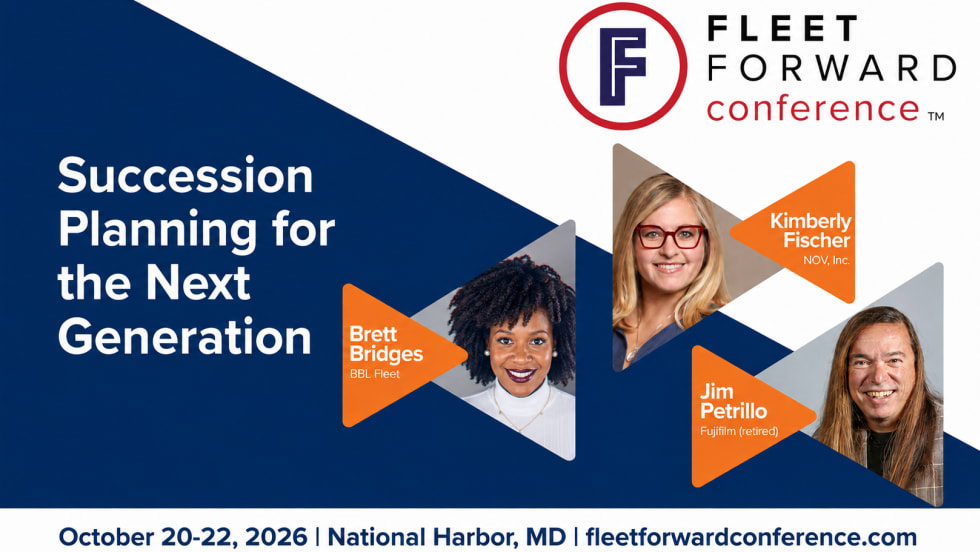
Fleet Forward Conference Tackles Fleet Industry’s Growing Leadership Gap
This session will examine succession planning, knowledge transfer, and the skills the next generation of fleet leaders will need as veteran professionals leave the industry.
Read More →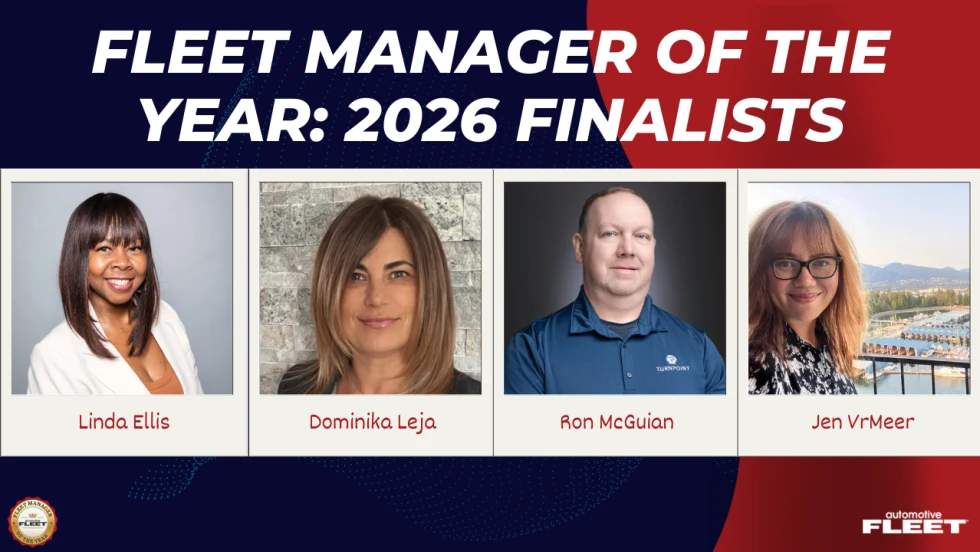
2026 Fleet Manager of the Year Finalists Announced
Who are the 2026 Fleet Manager of the Year finalists?
Read More →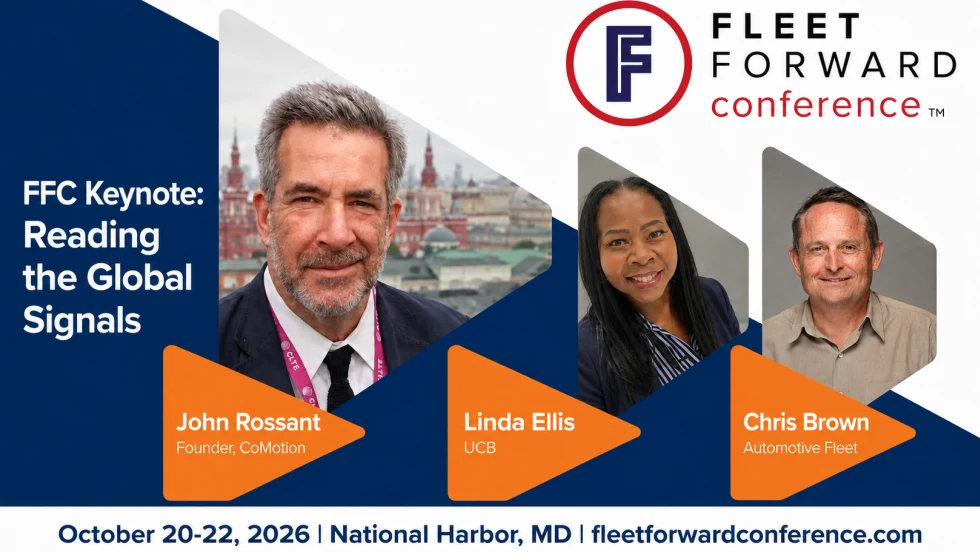
John Rossant to Deliver Opening Keynote at 2026 Fleet Forward Conference
The CoMotion founder will draw on developments across Europe, China, the Middle East, and other international markets to identify trends that could influence how U.S. fleets plan for the coming decade.
Read More →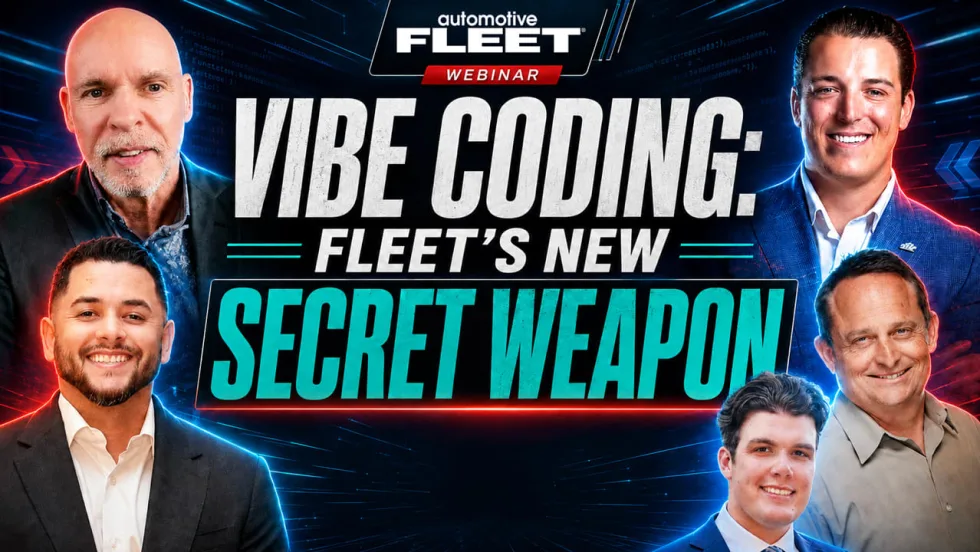
How to Build Custom Fleet Tools With AI and Vibe Coding [Webinar]
A new Automotive Fleet webinar explores how fleet managers are using AI and vibe coding to automate routine work and create simple operational tools without traditional programming skills.
Read More →