




Fleet Executives & Managers Partner to Control Costs and Productivity
According to Wayne Smolda of The CEI Group, fleet executives continue to help mentor and guide fleet managers, promoting policy streamlining and strategic initiatives.

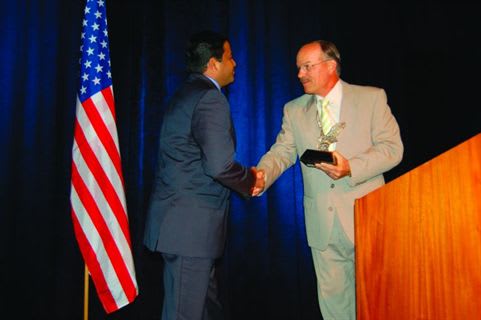
As a long-time, leading provider of vehicle accident, driver safety, and fleet management services to self-insured, commercial and government fleets, and leasing companies, The CEI Group continues to emphasize the importance of fleet executives to fleet managers and their organizations.
A nine-year sponsor of Fleet Financials’ Fleet Executive of the Year award, CEI and its DriverCare program supports businesses in their efforts to maximize productivity and reduce fleet costs.
“The fleet manager and fleet department need visionary mentors for guidance to help set strategy and decision making on dealing with the many challenges fleet managers face,” said Wayne Smolda, CEO of CEI, a Trevose, Pa., company helping fleets for more than 25 years.
In today’s uncertain economy, keeping a handle on unpredictable fuel costs, difficult financing issues, and depreciation (or resale values that affect it) — not to mention the disruptions in the automotive markets and with the car manufacturers and their dealer networks — makes the fleet executive/manager relationship all the more important.
“All this leads to having better communication with senior executives at the top of organizations to explain these issues and obtain alignment on fleet strategy and vision,” Smolda added.
That’s why he feels it’s important to get behind industry recognition initiatives such as Fleet Financials’ annual executive award. “The fleet manager mentors are our fleet executive nominees and winners of Fleet Financials magazine’s award, and it recognizes their value and the importance of their roles for fleet management,” he said.
Strategy, Communications & Competency Keys to Future
While CEI is not involved in the selection process of the Fleet Executive of the Year award winner, its sponsorship is just one way the company shows an ongoing commitment toward making the fleet industry the best it can be.
“We believe strategy and executive communications are key, as well as shaping the competency requirements in fleet management as we move into a new world where dramatic change and challenges test traditional fleet expertise,” Smolda said.
The 2009 winner of Fleet Financials’ Fleet Executive of the Year award, Satish Natarajan of ARAMARK Uniform and Career Apparel, provided a new perspective to a large field fleet operation, according to Smolda.
“Satish did not have a fleet background when he joined the team, but he successfully provided his company’s field fleet managers and administrators unique skills that generally do not exist in fleet departments. He is able to provide more strategic leadership in the areas of asset management and process metrics,” Smolda added.
Fleet Managers Will Stay Ahead of the Curve
Smolda believes the fleet industry will march steadfastly into the future, even as fleet managers face challenges in the areas of fuel, finance, depreciation, and the supply chain of a shifting core of car manufacturers and their dealer networks.
He also is confident fleet management will need to respond to government greening mandates, as well as continue to effectively leverage telematics as the next generation of fleet management infrastructure tooling.
“Telematics is becoming an emerging area to fleet management, and I believe that many fleet operators will eventually rationalize its cost into fleet management budgets,” he concluded. “Fleet executives will be the key mentors for fleet departments to do so.”
More Operations

How Fleets Can Recruit and Train Veterans for Technician Roles
Here's how the technician shortage has affected uptime for fleets, and what to do about it.
Read More →
Avis Budget Group Deploys Neology Toll Management Technology Across Major Brands
Neology’s neoFleet platform will manage toll transactions and toll-authority operations for vehicles across Avis, Budget, Payless, Budget Truck and Zipcar.
Read More →
Fleet Personal-Use Charges Edge Higher in 2026
Nearly eight in 10 surveyed fleets allow personal use of company vehicles, while just over half of respondents report charging employees for the privilege.
Read More →
The Future of Fleet + What’s Changing Right Now | AF News Recap
Could developments overseas offer a preview of what’s coming for U.S. fleets? This week, we’re looking at the future of AI, autonomy, and electrification, plus Ford Pro’s new certified pre-owned program, smarter vehicle offboarding, and a new way for fleets to manage toll expenses.
Read More →
How to Handle Vehicle Offboarding
What do fleet managers need to do when a driver leaves?
Read More →
Fleet Manager’s Ultimate Playbook: Navigating the New Standard in OEM Connectivity
Rising operating costs, driver safety concerns, and unplanned downtime are putting unprecedented pressure on modern fleets. Discover how fleet managers use embedded OEM connectivity and real-time vehicle data to cut TCO, prevent downtime, and protect drivers without aftermarket telematics hardware.
Read More →
U.S. Bank Adds Verra Mobility Toll Management to Voyager Fleet Platform
The integration allows U.S. Bank Voyager fleet customers to manage toll payments and violations alongside fuel, EV charging and maintenance expenses.
Read More →
ADAS Prevents Crashes. But Repairs Cost More | AF News Recap
ADAS-equipped vehicles may crash less often, but they can cost more when they do. This week, we’re breaking down what that tradeoff means for fleets, plus Subaru’s first Forester Wilderness Hybrid, Nissan’s new e-POWER Rogue, and why Calstart has become Catalyst Mobility.
Read More →
Moventum Fleet Management Names Mark Iorillo Head of Sales
Iorillo brings nearly 20 years of fleet management and sales experience to the role, including previous positions at Element Fleet Management, CEI, Donlen and Ryder.
Read More →
Fleet Has a Talent Pipeline Problem. What Comes Next? | AF News Recap
Where will fleet’s next generation of leaders come from? This week, we’re looking at the industry’s talent pipeline, what certification can add to a fleet career, how to build an award-worthy track record, and the return of Automotive Fleet’s Personal Use Survey.
Read More →