




Five Reasons to Reject Driver Reimbursement
The issue of driver reimbursement is a perennial issue confronting our industry. Whenever there is a new corporate management or when corporate sales are flat or when new cost-cutting initiatives are instituted, someone invariably asks whether it would make better business sense to reimburse employees for the use of thier personal vehicles rather than providing company vehicles.


The issue of driver reimbursement is a perennial issue confronting our industry. Whenever there is new corporate management or when corporate sales are flat or when new cost-cutting initiatives are instituted, someone invariably asks whether it would make better business sense to reimburse employees for the use of their personal vehicles rather than providing company vehicles.
These managers feel that an employee reimbursement program costs less than company-provided vehicles. Shifting the burden of the company car program to employees may seem, at first, to be the ideal way to accomplish cost reductions. But a closer examination shows this may not be the case. If your company spends less by going to driver reimbursement, it is because your employees are shouldering the hidden costs. In fact, upon closer analysis, reimbursement may actually be your most expensive option. Not only that, but it can directly harm your company’s employee productivity and corporate image in the marketplace.
Here are five reasons why reimbursement may not work.
1. Wrong Company Image May Be Projected
A company vehicle is part of your corporate image presented to the world. With driver reimbursement, whether a vehicle is appropriate to the type of image the company wants to project is determined by an employee. On the other hand, a company-provided program gives you the ability to control the suitability and appearance of the vehicles used for your business. When an employee provides the vehicle, you surrender this control. The wrong vehicle can send the wrong message to your customers. If the job doesn’t entail customer contact, it isn’t really important what the employee’s car looks like. However, if the driver has regular contact with customers, then providing a car will ensure that your company is represented correctly.
2. Employee Vehicles Increase Liability Exposure
If a vehicle is not provided by the company, then the company must be certain that the driver has sufficient insurance to protect it from liability should there be an accident while the driver is on company time. Ask yourself, what is the company’s liability exposure if the employee postpones safety-related repairs? What liability would your company face if an accident was caused by deferred maintenance? A company-provided vehicle allows you to control these variables and minimize this liability exposure.
3. A Hiring Advantage is Eliminated
Providing a company vehicle gives your company a competitive edge in hiring top-caliber salespeople, technicians, and managers. This is especially true if your key competitors do not offer a company car program. Industry surveys have shown that prospective employees view a company vehicle as an equivalent benefit as health care coverage and pension benefits.
4. Employee Productivity Decreases
A business that does not provide a company vehicle has little or no control over the condition of the employee’s car. If the amount of reimbursement by the company is not sufficient to cover actual expenses, the employee may defer preventive maintenance, which can lead to breakdowns, downtime, and unnecessary car-rental expense. Also, since these are immediate, out-of-pocket expenses, there is a temptation on the part of the employee to postpone routine preventive maintenance, as well as more expensive mechanical repairs.
5. Costs are Unfairly Shifted to Employees
It is more expensive for employees to use their personal vehicles for business than it is for a business to offer company vehicles. For instance, a company can acquire vehicles at wholesale cost, while employees must pay retail. Second, a company can finance a vehicle at a cheaper cost than an employee. A company also has lower vehicle maintenance costs by participating in a national account program, while an employee pays retail.
Unanticipated Harm to Your Business
If given the choice, employees prefer company vehicles to reimbursement. Employees see a company vehicle as a status symbol, taking pride in having been entrusted with an expensive corporate asset. While reimbursement, in some instances, might be helpful to the company’s bottom line, shifting the financial burden to employees can harm your business in ways you may not have considered.
Let me know what you think.
mike.antich@bobit.com
More Operations

How to Manage Conflict for Your Fleet Operations
Conflict management is becoming a core leadership skill. Here are five strategies fleet leaders should know.
Read More →
Turning Connected Vehicle Data Into Decisions That Matter
Fleet leaders have more data than ever, but turning that data into clear, actionable decisions remains a challenge. This white paper shows how leading organizations are using connected vehicle data to improve safety, reduce costs, and optimize fleet performance. Learn how to turn insight into action across your fleet.
Read More →
Cameras, Safety and Insurance: From Reactive Claims to Real-time Prevention
Commercial auto remains one of the most challenging and costly lines of coverage for fleet operators and insurers alike. Learn more about how to effectively address these issues from Onur Aksan, Enterprise Business Development Executive, Geotab.
Read More →

Are You Tracking Your Fleet's True Total Cost of Ownership?
Bobit Business Media surveyed 190 fleet professionals and found that while most fleets are tracking costs, fragmented systems and data gaps are keeping true TCO visibility out of reach. With rising pressure to control spend in an increasingly volatile environment, the gap between what fleets think they know and what the data actually shows is wider than you might expect. See how your peers are managing costs today and where the industry still has room to improve.
Read More →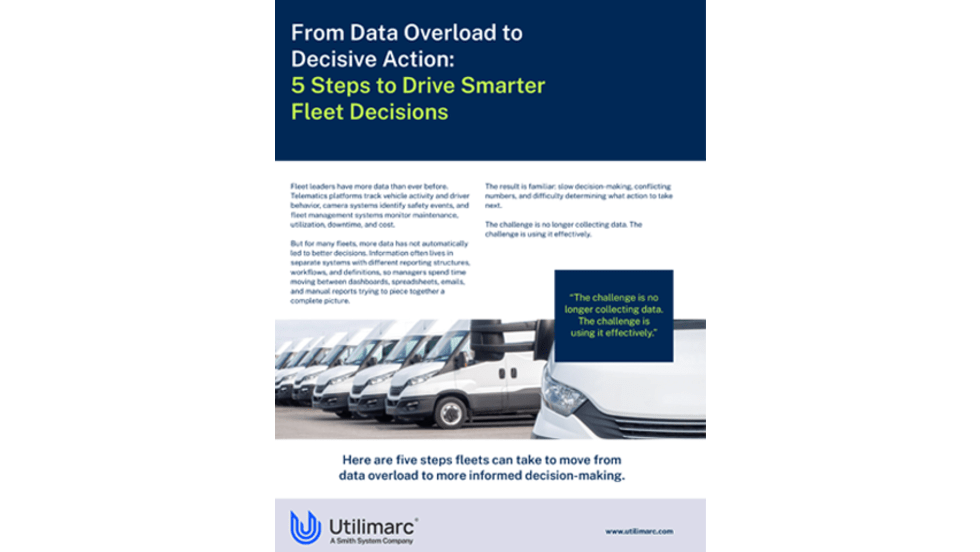
Turn Fleet Data Into Smarter Decisions
Fleet leaders have access to more operational data than ever, but disconnected systems and unclear metrics often slow decision-making instead of improving it. This article outlines five practical steps fleets can take to transform fragmented data into actionable insights that improve planning, safety, utilization, and long-term performance.
Read More →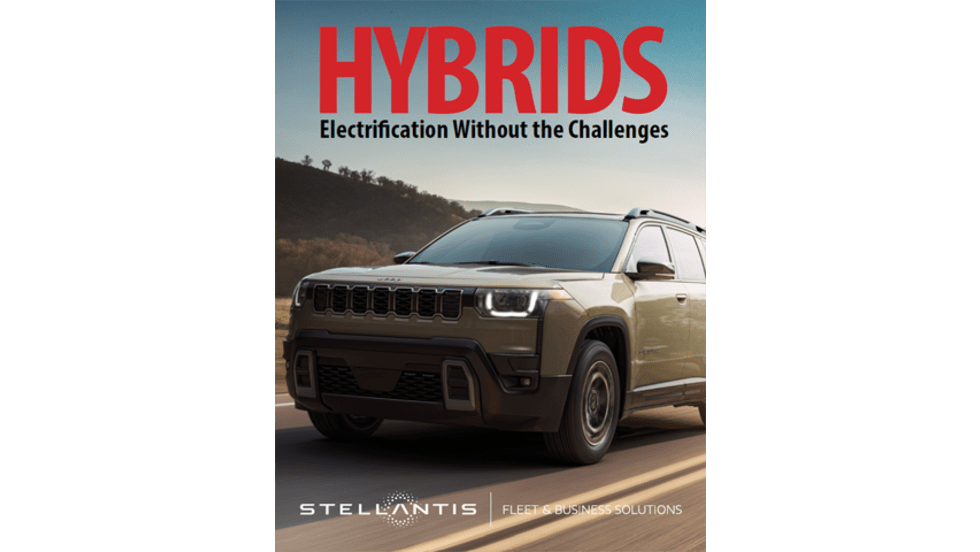
Hybrids: Electrification Without the Challenges
For fleet managers, fuel is one of the biggest line items in the budget — and it's one hybrids can shrink without changing how your people work. Download the eBook to see the numbers, understand the technology, and get a step-by-step guide to making the switch.
Read More →
How NOV Uses Telematics to Improve Fleet Safety Across 160 Locations
James Victory of NOV discusses how the company manages fleet safety, maintenance, and telematics across more than 150 locations supporting oilfield operations throughout the U.S.
Read More →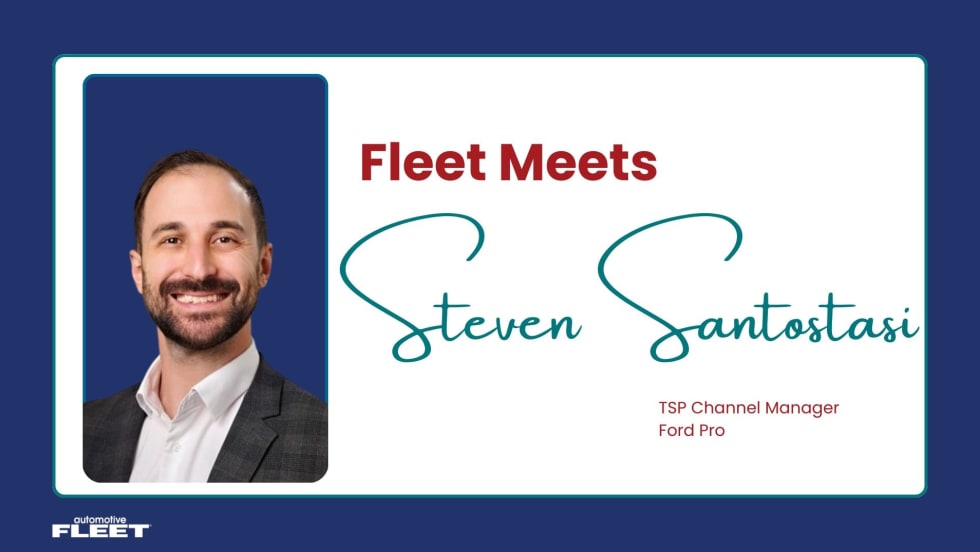
Fleet Meets: Steven Santostasi
This edition of the Fleet Meets series features Steven Santostasi, the current TSP channel manager for Ford Pro.
Read More →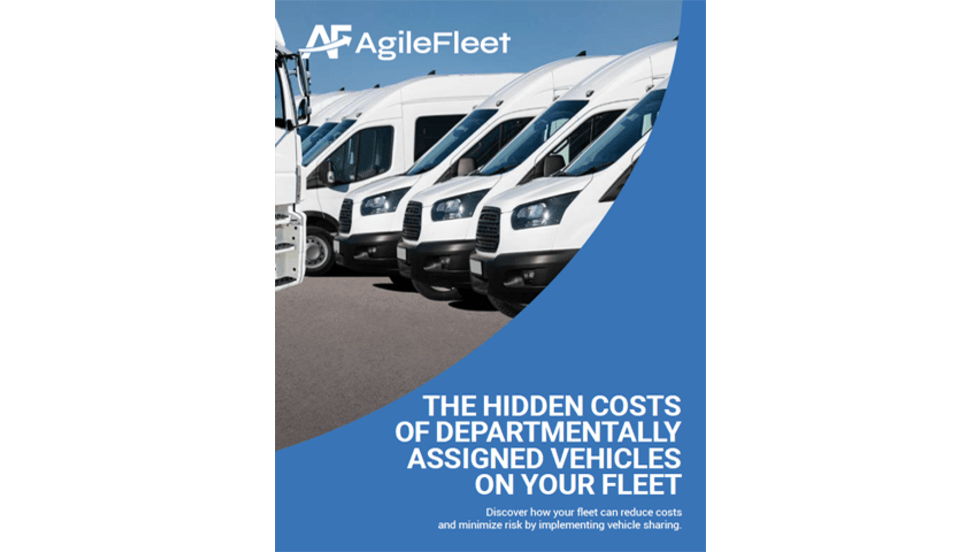
Why Fleet Managers Are Replacing Departmental Vehicles with Shared Motor Pools
Departmentally assigned vehicles often create hidden costs through underutilization, poor visibility, and increased administrative burden. This white paper explores how shared motor pool strategies help fleets reduce costs, improve accountability, and optimize vehicle utilization.
Read More →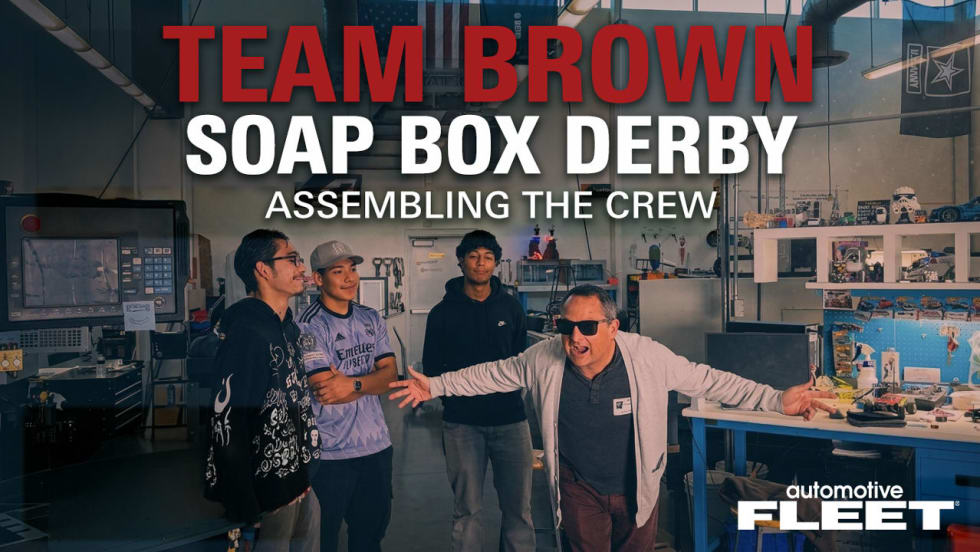
Soap Box Derby Challenge: Assembling the Crew
Meet Gabriel, Matthew, and Angel — the team helping bring this soap box derby build to life.
Read More →