




Factors Influencing Development of 2007-Model-Year Fleet Selectors
Each month we are in contact with hundreds of fleet managers who manage fleets ranging from fewer than a hundred vehicles to mega fleets of tens of thousands of units. This link provides us a strong pulse of what’s happening in the marketplace. Emerging trends can be discerned after hearing similar comments repeated by a variety of fleet managers in different industry segments. Here is some of the buzz currently circulating through the industry.


Fuel Considerations Influencing Selectors
Based on a survey of buying intentions of commercial fleet managers, the 2007-model year will be a carryover year, in terms of fleet sales volume, compared to 2006. More fleets are under pressure to eliminate large, and even smaller, SUVs from their fleets. Getting caught up in this terminology are crossover vehicles, which are being labeled SUVs, even though they may be built on a car platform. In addition, there is a growing demand from drivers and departmental/divisional management for greater choice in the selection of company vehicles. This is especially true at fleets that have been sole sourcing for a number of years. Driver dissatisfaction is becoming an emerging issue at some fleets.
However, the number one concern of fleet managers is the high cost of fuel. As a result, fleets across the board are looking to “right-size” cargo vehicles to minimize fuel expenditures. A key question is whether the smaller vehicle will be able to meet the fleet application. The anticipated savings from smaller, less costly and more fuel-efficient vehicles may not be realized if drivers make double trips because they are not carrying sufficient parts or materials with them. In addition, there is still ongoing effort to find a suitable replacement for the discontinued Chevrolet Astro/GMC Safari minivan. One offshoot to this product void is that no AWD minivans are available in the market. This is a concern for fleets in mountainous Snow Belt states that will now require drivers to use chains. There is consideration to acquiring AWD crossover vehicles or 4x4 SUVs as alternatives, but cargo-carrying considerations often discourage these choices.
High fuel costs are prompting some fleets to establish minimum MPG requirements in order for vehicles to be placed on a selector. Usually management dictates MPG requirements to the fleet department. Another consequence to higher fuel costs is that employees at companies who are offered a choice of a car allowance or a company-provided vehicle are increasingly electing to take the company car option due to the increased cost of fuel.
In some cases, hybrids do not “pencil” out in terms of lifecycle cost, however, fleet managers are feeling pressure to acquire these vehicles to meet corporate “green initiatives.” But there is concern that drivers will be required to go to a dealership to service these hybrids, at least until independent repair facilities become trained to properly service them. Hybrid components, such as regenerative braking system and dual use transmission, require specialized maintenance training. The concern about dealerships is quick turnaround.
Companies are extending the service lives of company vehicles to reduce fleet expense. This is resulting in strategies to minimize overall mileage during this extended period in order to assist resale. More fleets are implementing territory realignments to minimize mileage if vehicle service lives are extended.
There is also a concern about acquisition costs. This is rooted in the high number of new-model introductions and rising vehicle prices, especially on the truck side. This has a domino effect because increased acquisition pricesmean higher financing costs due to higher interest rates resulting in a higher tax basis.
Many truck fleets pre-bought to avoid the 2007 ultra-low sulfur diesel standard, which increased the complexity of the 2007 diesel engines. Fleet managers are concerned about engine reliability, higher purchase costs, and increased maintenance expense due to more frequent oil drain intervals.
Viewing Fleet as Part of the ‘Total Spend’
There is a trend to tighten employee eligibility to receive a company vehicle. Those unable to meet the new criteria are shifted to driver reimbursement. Also, some fleet managers report that elements within the corporation are viewing fleet from the perspective of “total spend” and wondering whether it is worth the cost and benefit. In the majority of investigations, the company-provided option proves to be the cost-effective option; but not always. One prominent fleet recently decided that it will only provide company vehicles to its service force and shift everyone else to driver reimbursement during a multi-year transition. However, changes of this scope continue to be rare in our industry.
All in all, despite higher fuel costs and a rising interest rate
environment, commercial fleet buying intentions remain very stable.
At least this is what fleet managers are telling us.
Let me know what you think.
mike.antich@bobit
More Operations
What Fleet Managers Really Want From Vendors
From customer service frustrations and technology breakdowns to RFQs, change management, and the growing impact of turnover across the industry, this conversation pulls back the curtain on the real operational challenges fleet managers are navigating every day.
Read More →
Fleet Safety Masterclass: Industry Leaders on Storytelling, Strategy & Innovation
In this special masterclass episode, industry leaders break down what it really takes to build safer fleets in today’s increasingly distracted and data-driven world.
Read More →
Integrating Legacy Fleet Systems and Historical Data
In this episode, we bring together fleet and technology leaders to unpack the realities of data integration, system migrations, and the evolving role of AI in fleet management.
Read More →


From Resistance to Results: Change Management Strategies for Fleets
From new technologies and safety programs to evolving regulations, fleets are under constant pressure to adapt. But as Dr. Betz explains, success isn’t about the system you implement—it’s about whether your people actually use it.
Read More →
Where We're Headed: A Practical Look at AI in Fleet
Discover how AI is actually being deployed in fleets, not just marketed, including practical use cases and emerging risks.
Read More →
How Coca-Cola United Protects Its Fleet from Growing Legal Risk
Growing legal exposure can put fleets at risk. Here's one company's approach.
Read More →
Fleet Managers Think They Understand Their Costs. The Data Says Otherwise.
Most fleet managers say they have a strong handle on their costs, but new research from Bobit Business Media tells a different story. A 2026 survey of 190 fleet professionals reveals a widespread "confidence gap" where fragmented systems, disconnected data, and delayed reporting are leaving major blind spots hidden beneath the surface. Find out what the data actually shows.
Read More →
Cameras, Safety and Insurance: From Reactive Claims to Real-Time Prevention (Part 2 of 2)
Part Two: Commercial auto remains one of the most challenging and costly lines of coverage for fleet operators and insurers alike. Continue learning more about how to effectively address these issues from Onur Aksan, Enterprise Business Development Executive, Geotab
Read More →
New Trucks, AI & Summer Downtime | AF News Recap
From new truck updates to AI-powered driver coaching and summer maintenance tips, this week's fleet headlines are all about keeping things moving.
Read More →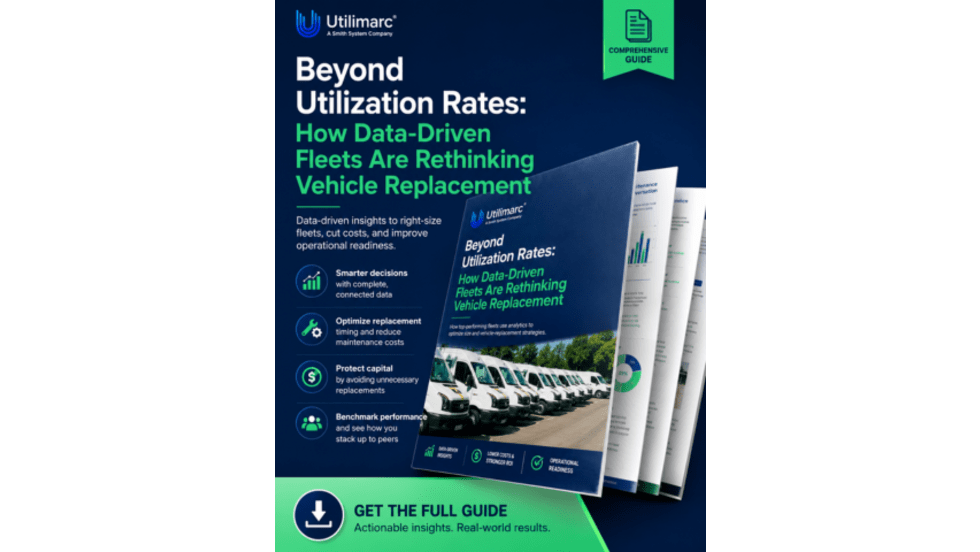
Beyond Utilization Rates: Smarter Fleet Replacement Decisions
Vehicle replacement decisions affect every aspect of fleet performance, from operating costs to asset availability. This guide explores how fleet leaders use integrated data, benchmarking, and lifecycle analytics to determine the right fleet size and optimize replacement timing with greater confidence.
Read More →