




Ergonomically Designed Equipment Reduces Workers’ Comp Claims
Ergonomics must be high on the fleet manager’s “radar screen” because it can significantly impact the bottom line by reducing workers’ comp costs, improving driver productivity, and reducing fatigue-induced operator errors that can lead to preventable accidents.

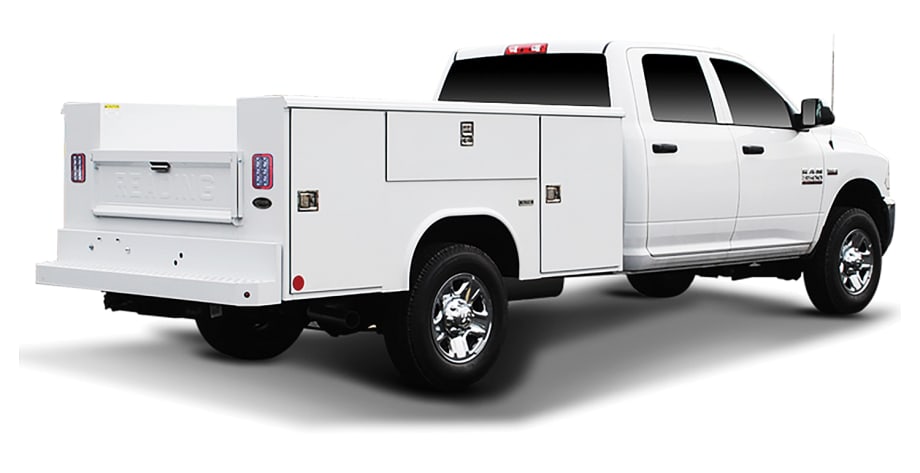
Photo: Reading
Buying and spec’ing trucks to meet the diverse operating needs of your entire workforce is a challenge. You can spec your fleet to a “bell curve” and deal with the exceptions on either end of the spectrum by adding ergonomic-friendly upfit equipment or swapping a driver from a large to a small truck or vice versa.
Ergonomics must be high on the fleet manager’s “radar screen” because it can significantly impact the bottom line by reducing workers’ comp costs, improving driver productivity, and reducing fatigue-induced operator errors that can lead to preventable accidents.
The best way to spec more ergonomic vehicles is by proactively identifying existing and potential issues and rectify them before they impact morale, or, in worst-case situations, result in injuries. In addition to health issues, poor ergonomics is a key contributor to preventable accidents. Poor ergonomics reduces driver comfort, which increases fatigue, a key contributor to preventable accidents. Ease of use and operator safety must be your fundamental goal. Work closely with field workers to analyze their normal work processes, especially if they repeatedly climb into the rear of a service body or van for parts or equipment.
Sometimes vehicles are modified in the field without informing the fleet manager. Typically, the home office is not aware of the modification until there is an issue, such as when someone complains of an ergonomics-related health issue, or an accident occurs.
Field workers should regularly inspect vehicles and upfitted equipment to ensure they are in a safe working condition. These guidelines should also require employees to report any equipment failure or damage.
Fleets often find themselves defending upfit specifications against negligence allegations that result from pushing, pulling, lifting, or bending injuries. When there are complaints about “less-than-ergonomic” upfit decisions, it can result in expensive litigation.
Regardless of the vocational segment, fleet managers must ensure upfits will be ergonomically safe for operators over the service life of the vehicles. This is a perennial concern for HR managers, who regularly deal with workers’ compensation claims made by fleet drivers and equipment operators.
Over the years, work trucks and vans have evolved into mobile offices equipped with a variety of in-cab devices, such as mobile data terminals for job-site reporting, routing, and work orders, along with in-cab filing bins and swivel writing boards, all of which have dramatically enhanced driver productivity. However, these devices and equipment also takes up space, creating an increasingly cramped cab environment, restricting a driver’s body movements, which can potentially lead to ergonomic injuries.
While in the field, employees must often input data using a smaller keyboard or touch screen, while sitting in a congested truck cab that is often more constrained than a typical office workstation. In recent years, there’s been a steady stream of drivers claiming carpal tunnel syndrome as they spend more time typing on a keyboard in a cramped vehicle cab. Without adequate workspace for wrist supports and other ergonomic accessories, drivers are at risk of developing wrist strain or carpal tunnel syndrome.
Spec’ing for Ergonomics
When selecting upfit equipment, review vehicle requests from the field by focusing on ergonomic solutions, such as evaluating user body postures to understand the health implications of the work environment.
Ask follow-up questions of operators to verify the equipment is suitable for the job. It is important to continually train all employees handling equipment in its operation and safe use, especially if your company has high employee turnover. Also, user group field managers should regularly inspect equipment to ensure it’s in a safe working condition and that equipment is used only for its intended purpose. Develop written guidelines covering vehicle and equipment usage and instruct operators to follow manufacturer guidelines to avoid preventable accidents.
- Hydraulic Drop-Down Ladder Rack: Specify drop-down style ladder racks for vans. This helps minimize possible back problems that could arise from removing a 24-foot extension ladder from the roof of a van while improving operator efficiency.
- Roll-Up Doors: A cargo body with a roll-up door needs a pull-down that can be reached from the ground.
- Rear Step Bumper and Grab Handle: Analyze ease of rear entry and egress from service bodies and vans. Most fleets add a step bumper and a grab handles to facilitate getting in and out of a service body bed. To minimize slips, fleets are opting for an open strut-style rear bumper to allow snow or rain to fall through the openings and not collect on the bumper. Another consideration is side steps on pickups to access cross-bed toolboxes.
- Safety Tread Step: An open safety tread step is preferable to closed running board steps, especially in areas where snow collection can create slippery conditions. If there’s any chance a user will walk on a surface or use it as a step, it must not be smooth –an anti-slip coating or surface treatment is needed.
- Liftgates: A liftgate reduces the risk of overextension or back injuries by allowing users to more easily maneuver, load, and unload heavy products in and out of trucks, vans, or trailers.
- Slide-Out Bed: Specify bed sliders for pickups equipped with commercial-style caps, so the user doesn’t have to bend or twist to remove a heavy object from the vehicle bed.
- Side-Door Access: Walk-ins vans with side door access enables the user to work inside the body during inclement weather.
- Pull-out Ramps: These ramps expedite the removal of products loaded on a dolly. Consider ventilated-style pull-out ramps that stop snow and rain from collecting on the surface of the ramp.
It is important to realize that a “one-size-fits-all” approach to fleet specs is an ergonomic minefield with litigious consequences.
More Upfitting

A Behind-the-Scenes Tour of a Fleet Upfit Facility
Get a behind-the-scenes look at how Driverge takes fleet vehicles from pilot builds to production and shipping.
Read More →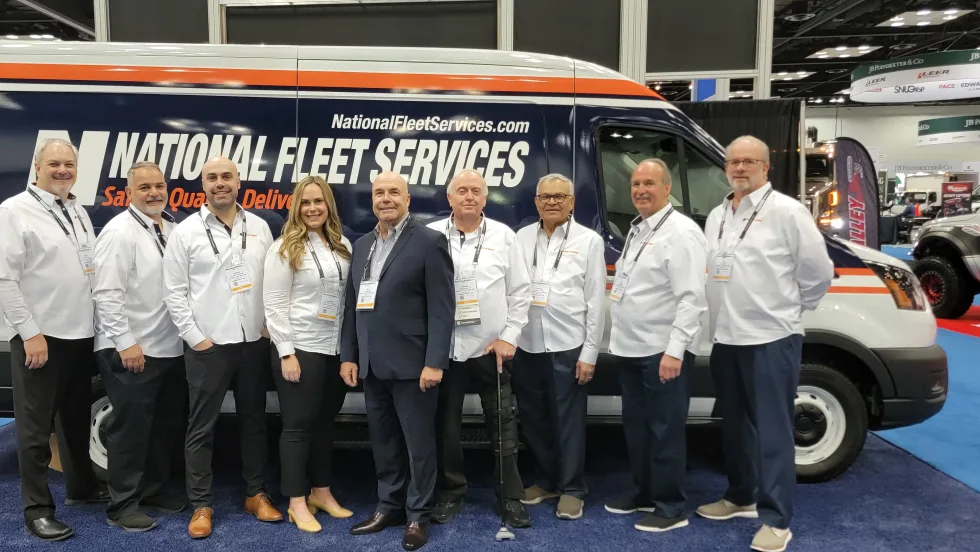
National Fleet Services Marks 30 Years of Fleet Upfitting Operations
Thirty years after its founding, National Fleet Services says its fleet assessments continue to uncover opportunities for more efficient, durable, and cost-effective vehicle upfits.
Read More →
How to Upfit, Equip, and Accessorize EVs for Work
From payload constraints and range tradeoffs to safety considerations and rising upfront costs, this conversation breaks down the realities of upfitting electric work trucks and vans.
Read More →
Driving Performance Across Trade Fleets: Upfit Standardization Strategies & Best Practices
Check out the best upfitting strategies and practices for trade fleets.
Read More →
John Poindexter Shares Product Launches, Growth Strategy for 2026
After a major acquisition, JB Poindexter’s CEO outlines what’s next, from smarter camera systems to early AI integration, and whether more deals are on the horizon.
Read More →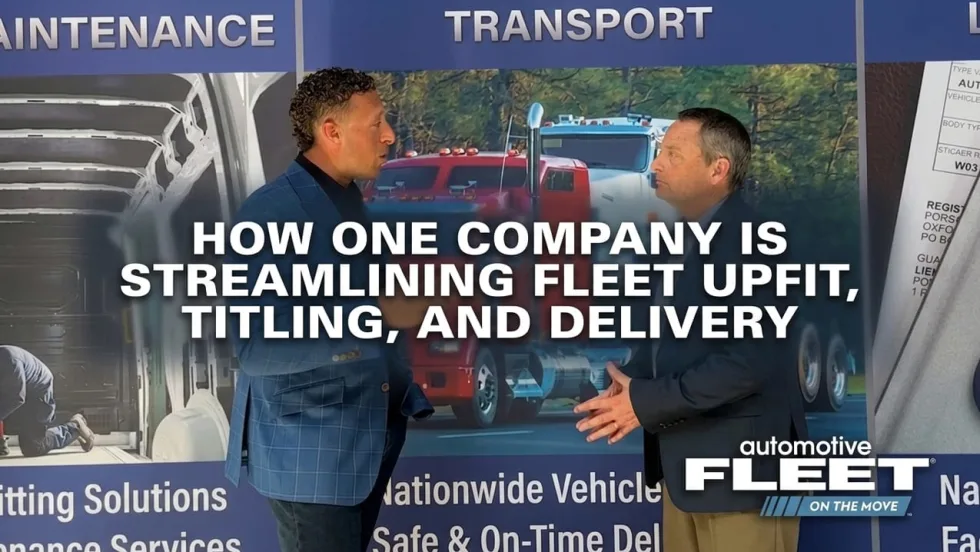
How One Company is Streamlining Fleet Upfit, Titling, & Delivery
Anew Solutions CEO Austin Schutte joins AF on the Move to discuss fleet upfitting, delivery logistics, and the importance of speed to completion in today’s fleet operations.
Read More →
Sortimo Presents New Upfitting Products
Sortimo detailed new racking systems, new floors, and more at Work Truck Week 2026.
Read More →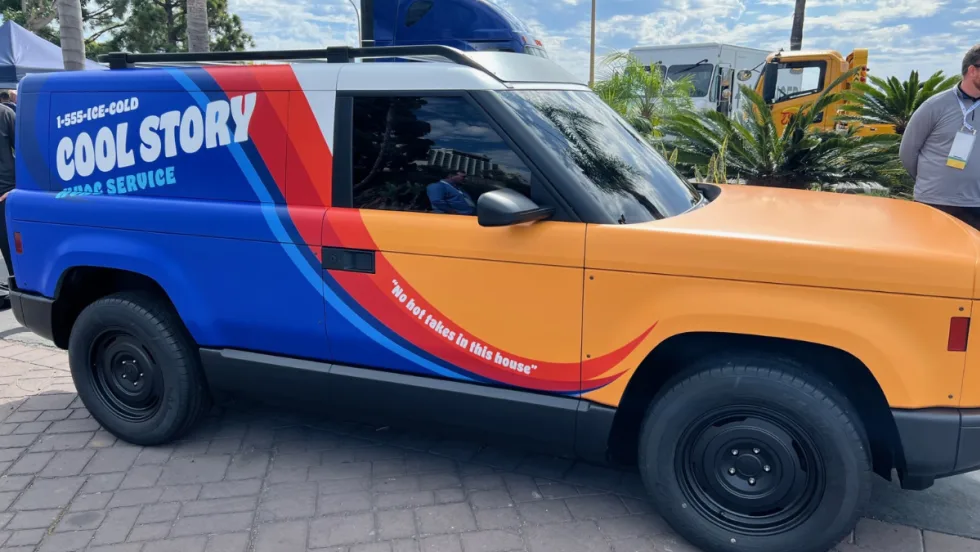
How To Upfit Electric Work Trucks and Vans
The biggest challenge lies in balancing additional equipment and accessories with EV battery capacity and range.
Read More →
JB Poindexter’s CEO Talks Growth, Industry Disruption & What’s Next
John Poindexter, CEO of JB Poindexter & Co., discusses how his $2.5B enterprise is navigating technology transformation, acquisitions, and a fast-evolving commercial vehicle market.
Read More →
Harbinger Unveils Plug-In Hybrid Vehicle for Medium-Duty Fleets
The medium-duty truck company is expanding its American-made electric vehicle lineup to include a series hybrid model, offering up to 500 miles range.
Read More →