




About the Author: David Lewis is the co-founder and CEO of MoveEV, an AI-powered EV transition company that helps organizations convert fleet and employee-owned gas vehicles to electric and reimburse for charging at home. Dave is an experienced B2B software executive with significant experience systematically creating value through new product offerings, M&A, and transforming tech-enabled services to SaaS.
Electrifying Your Fleet: A Roadmap to EV Home Charging Policies
The right blend of practice and policy can transform the simple act of charging an EV at home into a powerful tool for fleet management.
by Dave Lewis, MoveEV
February 5, 2024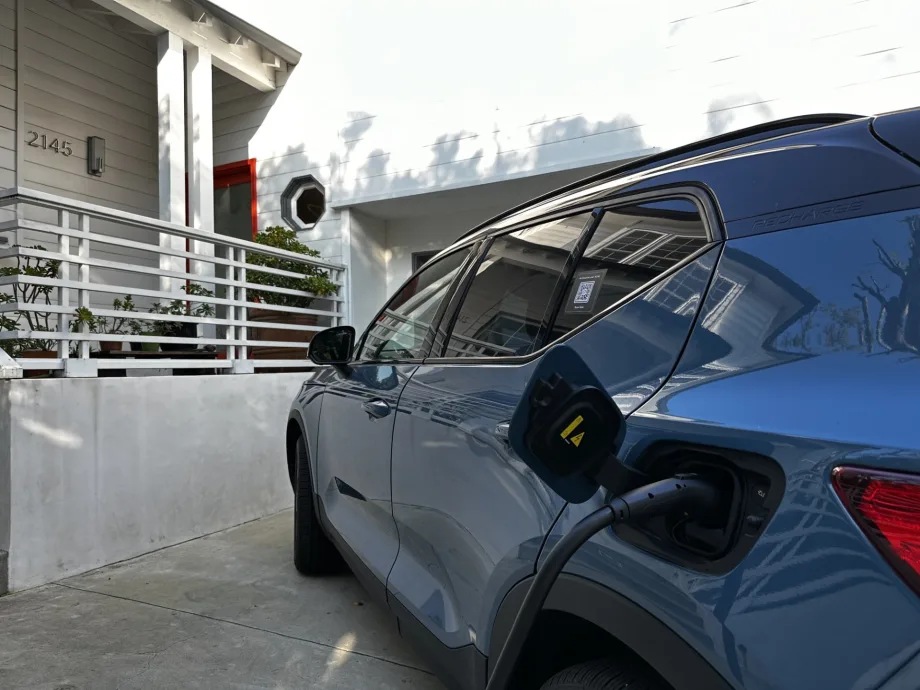
Understanding the types of chargers and their installation requirements is critical for a successful home charging setup.
Photo: MoveEV
5 min to read
As fleet management evolves, integrating electric vehicles (EVs) into fleets has emerged as a strategy that promises more than cost savings and alignment with environmental goals. For many fleets, a home-charging program offers additional cost savings and boosts employee satisfaction.
However, the effectiveness of a take-home strategy hinges on the strength and clarity of its underlying policies. These policies dictate not just what is permissible, but also frame the operational and financial aspects of your home charging program.
A well-crafted policy ensures that while the practice of home charging brings tangible benefits to both an organization and its employees, it does so within a framework that is fair, compliant, and sustainable.
While there is no one-size-fits-all strategy, the right blend of practice and policy can transform the simple act of charging an EV at home into a powerful tool for fleet management, driving cost efficiencies, employee morale, and environmental responsibility in unison.
For Class 2 and Class 3 vehicles, transitioning to EVs necessitates rethinking how and where vehicles are charged. Home charging presents a unique opportunity. It ensures that vehicles are reliably charged and ready for use, enhancing efficiency and driver convenience.
This approach is not without its complexities. It requires a nuanced understanding of the drivers' needs, the technical requirements for home chargers, and a fair reimbursement policy.
Setting Up for Success: Selecting the Right Drivers for EV Home Charging
Identifying which employees are best suited for take-home EVs is a critical first step in establishing an effective home charging policy.
The selection process should be tailored to fit both the needs of the organization and the individual circumstances of the employees.
Key criteria for this selection include:
Job-Vehicle Compatibility: Assess the compatibility between the employee's job requirements and the vehicle's capabilities, especially its range. It's important to ensure the daily driving distance of potential candidates aligns with the EV's range to minimize the need for midday charging. Consider factors like towing and climate, which can significantly affect the vehicle's performance.
Residential Charging Feasibility: The feasibility of charging at an employee's residence is crucial. Typically, individuals living in single-family homes have an advantage, though this isn't exclusive. In cases where drivers will need to go more than 60 or 70 miles a day, the ease of adding home charging infrastructure should be a major criterion in the selection process. A preliminary survey or home assessment can help gauge this feasibility.
Driving Patterns and Lifestyle: Beyond basic compatibility and residential setup, consider the driver's typical driving patterns and lifestyle. Employees who do not frequently embark on long-distance trips and have predictable driving patterns within the EV's range are typically better candidates. Also, consider the availability of public charging stations along their regular routes and any potential impact on their routine.
Employee Engagement: Employee interest in sustainability and electric vehicles is a key factor. Enthusiastic employees are often more cooperative in overcoming challenges such as adapting to new charging routines. Even employees in less ideal charging situations can be great fits if their commitment to EVs and sustainability is strong.
Implementing Home Chargers: Types, Installation, and Funding
Understanding the types of chargers and their installation requirements is critical for a successful home charging setup.
There are primarily two types of chargers: Level 1 and Level 2. Level 1 chargers, which plug into standard 120V outlets, offer a slower charging pace, adding about four miles of range per hour.
In contrast, Level 2 chargers use 240V outlets and charge much faster, providing 15-30 miles of range per hour. The choice between these depends on the fleet vehicle's daily range requirements. Level 2 chargers, while faster, involve more complex and often costlier installation processes, including the potential need for electrical upgrades at the employee's residence.
When it comes to funding the installation of home chargers, organizations have several options. They can fully fund the installation, require employee contribution, or opt for a cost-sharing model.
Incentivizing employees to install home chargers, either through direct funding or reimbursements, can significantly encourage participation in the program.
Additionally, exploring partnerships with charging equipment manufacturers or installation companies can lead to discounts or special deals. It's also beneficial to investigate state and local incentives or grants that could offset installation costs.
The implementation of home chargers is a strategic decision that should align with the company's overall EV program goals and budget constraints. The choice of charger type, funding model, and installation plan will significantly impact the success of the home charging practice within the fleet.
The Core of Fairness: Reimbursement Strategies
One of the most critical aspects of a successful home charging policy is establishing a fair and compliant reimbursement program to align employee behavioral incentives with your program’s goals.
Common reimbursement methods include flat fees, geographical averages, or actual cost reimbursement. These choices are not equal, and the wrong reimbursement strategy can significantly impact your program's success.
Actual cost reimbursement, which reimburses employees based on their actual usage rather than estimates, is the only method that is fair, compliant with local policies, and ensures your company is not overpaying for fuel. This method ensures equitable compensation and boosts morale and trust in the program.
To facilitate this, fleet managers can leverage advanced solutions like ReimburseEV. By using telematics data or smart charging solutions, this software can effectively track electricity usage specifically for fleet charging.
This not only ensures employees are fairly compensated for the electricity they use for work purposes but also streamlines the administrative process, reducing the potential for under- or overcompensation and aligning with IRS guidelines and specific state requirements.
Conclusion
As we step into a future dominated by electric mobility, setting up a home charging policy for fleet EVs is not a matter of if, but when. This policy is a multifaceted decision requiring careful deliberation on various fronts: driver selection, charger type and installation, and reimbursement strategies.
A well-planned and executed home charging policy not only ensures operational efficiency but also reflects a company's commitment to sustainability and its workforce.
By focusing on accurate reimbursement methods, businesses can maintain compliance and fairness, setting a standard in the fleet industry.
For those who wish to delve deeper into the intricacies of establishing an effective EV policy, we invite you to explore our comprehensive white paper. There, you will find detailed guidance and insights to navigate this crucial aspect of modern fleet management.
This article was authored and edited according to Automotive Fleet's editorial standards and style. Opinions expressed may not reflect that of Automotive Fleet.
Subscribe to Our Newsletter
More Green Fleet
Sponsored•October 1, 2026
New Propane Autogas Program Offers Fleet Compensation
Qualified commercial fleets can receive $7,500 per eligible propane autogas vehicle and up to $10,000 for new refueling site prep. Learn how the program works and see whether your fleet qualifies.
Read More →
EV Charging Use Is Outpacing Infrastructure Growth
ChargePoint’s 2026 Charging Forward Report points to rising charger use, higher-powered charging, commercial vehicle electrification, and energy-management technology. Here’s what fleets should know.
Read More →
Merchants Fleet Reports 290M EV Miles as Fleets Navigate Changing Electrification Market
From millions in operating savings to hundreds of millions of EV miles, Merchants Fleet’s latest report reveals what’s working and what’s changing in fleet electrification.
Read More →
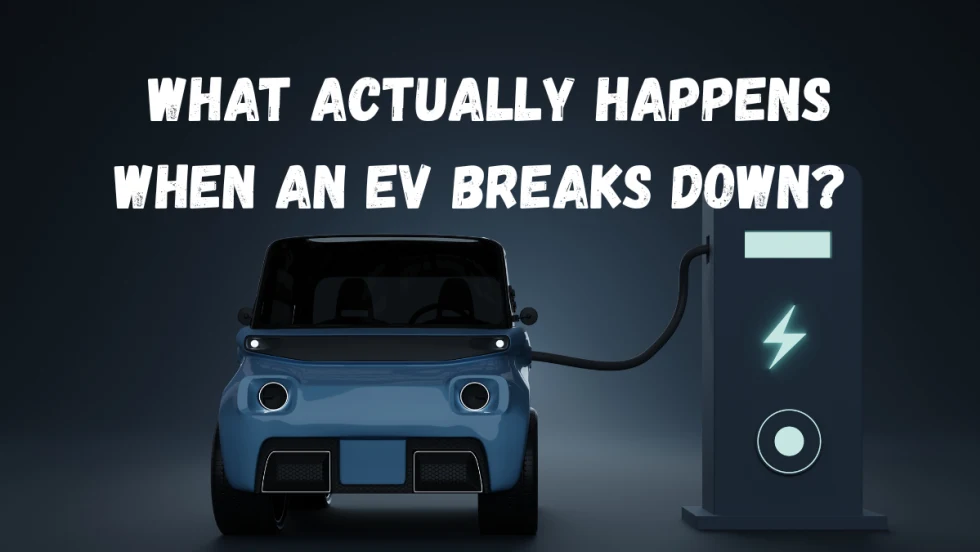
The EV Breakdown Nobody's Talking About: Why Most Electric Vehicle Roadside Calls Aren't Mechanical Failures
Here's why EV breakdowns are widely misunderstood.
Read More →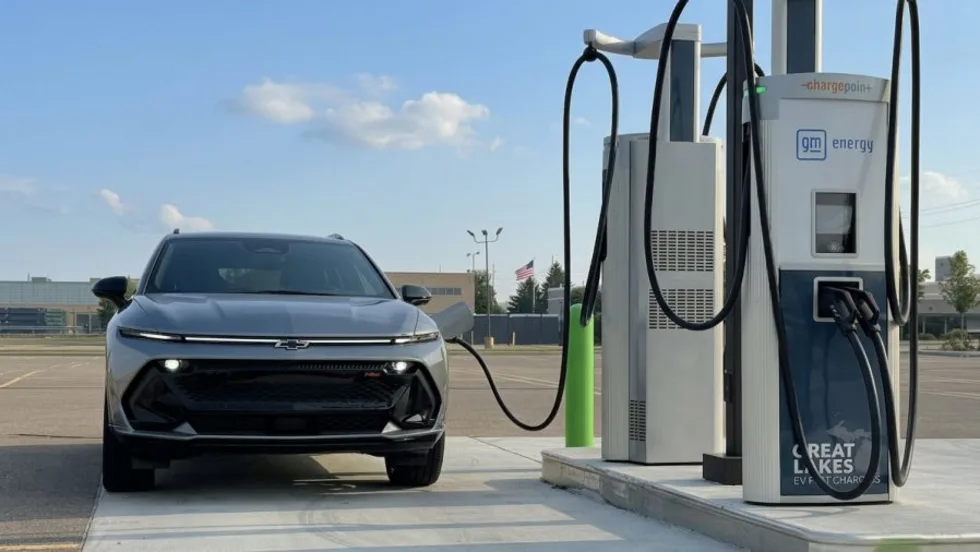
ChargePoint Now Available in Energy Pass
ChargePoint and additional planned charging network integrations were added to GM's Energy Pass.
Read More →

First Look: Slate Auto's Electric Fleet Pickup
Could an affordable, modular EV pickup make electrification more practical for fleets?
Read More →
Slate Debuts Colorful, Unique EV Models
A recent media and client event, studded with electric vehicles dressed up on platforms, planted a new position for the manufacturer in the wider EV market. Fleets will find cost-saving advantages.
Read More →
Slate Electric SUV, Pickup Switchable Model Aims For Light-Duty Fleets
Everything about this EV is counterintuitive and understated, making it stand out from the crowd.
Read More →
Inspiration Mobility Acquires Key Electrada Assets
Inspiration Mobility Group has acquired select assets of Electrada, adding the fleet electrification provider's team, technology, and charging infrastructure development capabilities to its energy management business.
Read More →