




Electric Vehicle Tested For Downtown Deliveries
Battery power seen as alternative.
A battery-powered delivery van has been tested in a program conducted by a large Chicago bank and Willett Nationalease as an alternative to conventional gasoline-powered vehicles for city use. The primary goal of the study was to determine if electric vehicles could replace the 10 internal-combustion-engine vehicles now used by the bank.
The fleet delivers bank mail, provides messenger services and transports personnel between the bank's facilities. The total volume of mail handled per year, more than 55-million units, is greater than that processed by a post office in a medium-sized city. Added to this volume are thousands of inter-office memos, letters and vouchers.
Handling this quantity of mail are eight Ford Econolines and two Dodge passenger vans which are maintained by Willett. The Econolines are leased for three years, While the Dodge vans are on one-year leases. The vehicles operate on regularly scheduled routes between the bank's various facilities. Some of the buildings are within blocks of each other, while others are several miles from the main office. The vehicles are involved in heavy stop-and-go traffic and perform at an average speed of 10 miles per hour.
The combination of slow speed and stop-and-go traffic movement is particularly costly when operating the internal-combustion vehicles since they are least efficient under city driving patterns and average only six miles per gallon. These factors also directly influence the amout of maintenance and overhaul required to keep the vehicles in service.
Although the vehicles operate only on city streets, they compile impressive annual mileage figures because they operate 24 hours per day, seven days per week. Operating expenses for the fleet, which averages 108,000 miles per year, are high and indications are that costs will rise with anticipated price increases for fuel and labor. During the first six months of 1977, the fleet completed 54,000 miles of travel at an average cost of 16 cents per mile, including gasoline, oil and maintenance expenses. At that rate, annual fleet operating cost is $17,000.
In order to consider a more economical alternative, the bank and Willett cooperated with the Lead Industries Association (LIA) to implement the electric-vehicle program. The LIA provided a lightweight, battery-powered truck called the Goliath for the test. The vehicle had been involved in test and demonstration programs in more than 30 U.S. cities during the past three years.
The Goliath is powered by an electric motor run by a 112-volt lead battery system and has a load capacity of about 1,000 pounds. The van and batteries are produced by Battronic Corporation of Boyertown, Pa.
The test was conducted over a nine-day period with the vehicle in operation for more than 70 hours. The Goliath was driven about 240 miles, making 1,000 traffic and pickup delivery stops. Results of the test, along with data from similar studies, have been accumulated by Commonwealth Edison, the electric utility serving the greater Chicago area.
"Energy costs for electric vehicles are about half that of the presently used vans," the utility stated. A battery-powered delivery truck such as Goliath used about one kilowatthour (kwh) of electric energy for each mile traveled in congested traffic. "A commercial-rate customer such as the bank or its leasing company now using 24,000 kwh per month would pay about 2.7 cents per mile for additional electricity used by the vehicle if charged off-peak," Commonwealth Edison reported. "To this, about 2.3 cents per mile should be added to provide for periodic battery replacements. Total electric-vehicle energy cost is about five cents per mile. Conventional vans using fleet gasoline at 56 cents per gallon and getting six miles per gallon and in downtown traffic have an energy cost of 9.3 cents per mile.
"Electric vehicles are expected to have a much lower maintenance cost than conventional types. Based on extended testing experience, principally by the U.S. Postal Service, which currently has about 380 electric trucks in operation, electric vehicle maintenance costs have been found to be a tenth to a third less than that of conventional types. The electric maintenance advantage is greatest in the type of service the bank is testing with slow speeds, limited distances and many stop-start cycles."
A bank official said that because the operating cost of conventional vehicles is increasing due to rising gasoline prices and higher costs for labor and spare parts, the switch to more cost-efficient vehicles such as electrics is one alternative. In order to determine just what role electric vehicles can play in the bank's operations as well as in other operations involving Willett's fleet of more than 25 lightweight trucks, additional operation and maintenance data is needed.
For example, the leasing company needs to know more specific data such as the operational lifetime of electric vehicles compared with internal combustion engines. Electric vehicles in England have a service life of about 24 years, more than five times the lifespan of a typical, internal-combustion engine lightweight truck. Because they have far fewer moving parts, electrics are easier to maintain and repair, and the need to stock hundreds of spare parts for internal combustion engines is eliminated. These and other factors offset the high price tag of electric vehicles, which cost about twice as much as conventional gas-powered vehicles.
Length of service plays a major role in evaluating various vehicles for use, as does the type of operation. Number of stops per day, traffic conditions and mileage are all involved.
Driver acceptance of electric vehicles is another important factor. Based on the Goliath demonstration, drivers employed by the bank tend to expect the same operational performance from an electric as they do from a conventional vehicle. "Small things are important to our drivers," the bank report said. "Such things as power steering, comfortable seating, mirrors arranged to provide excellent side and rear views and doors that roll up rather than open so they don't interfere with loading and unloading are all factors that determine driver acceptance." The report also stated that electrics can be produced to incorporate these features.
The leasing company has become interested in the potential of electric vehicles and has contacted the Energy Research and Development Administration (ERDA) to inquire about ERDA's Electric Hybrid Vehicle Demonstration Program. The plan calls for 7,500 electric and hybrid battery-powered vehicles to be placed in demonstration service over the next four years. Electric vehicles may have a greater future role in providing quiet, clean and efficient service in congested downtown traffic.
More Green Fleet
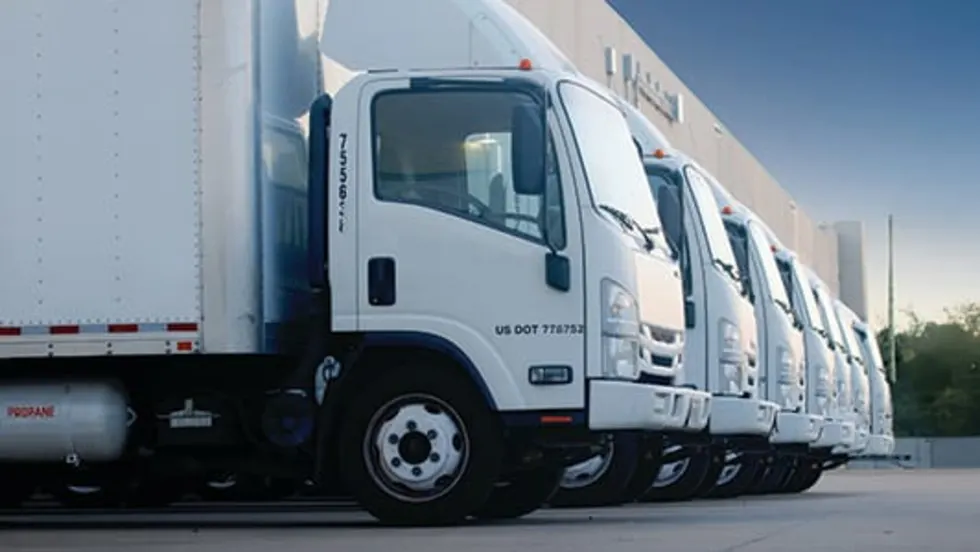
New Propane Autogas Program Offers Fleet Compensation
Qualified commercial fleets can receive $7,500 per eligible propane autogas vehicle and up to $10,000 for new refueling site prep. Learn how the program works and see whether your fleet qualifies.
Read More →
EV Charging Use Is Outpacing Infrastructure Growth
ChargePoint’s 2026 Charging Forward Report points to rising charger use, higher-powered charging, commercial vehicle electrification, and energy-management technology. Here’s what fleets should know.
Read More →
Merchants Fleet Reports 290M EV Miles as Fleets Navigate Changing Electrification Market
From millions in operating savings to hundreds of millions of EV miles, Merchants Fleet’s latest report reveals what’s working and what’s changing in fleet electrification.
Read More →
The EV Breakdown Nobody's Talking About: Why Most Electric Vehicle Roadside Calls Aren't Mechanical Failures
Here's why EV breakdowns are widely misunderstood.
Read More →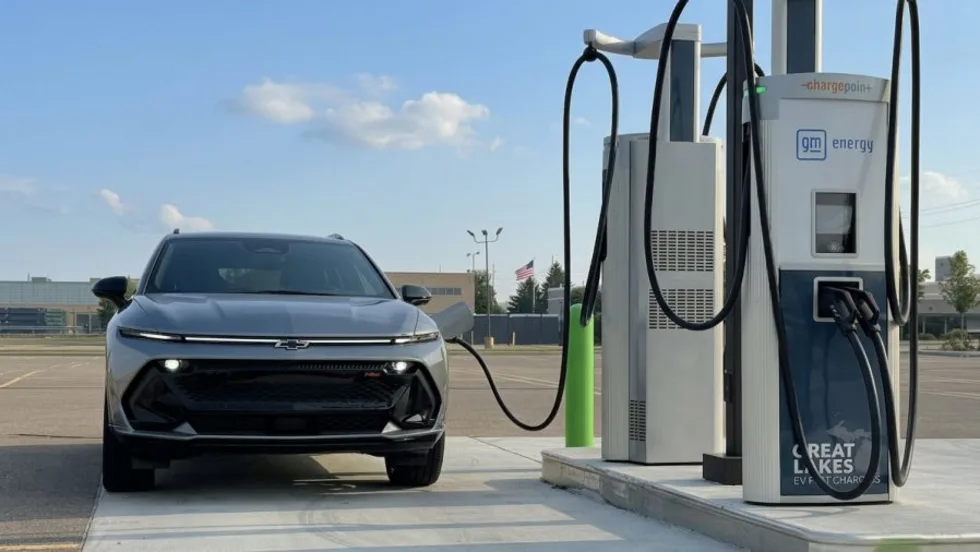
ChargePoint Now Available in Energy Pass
ChargePoint and additional planned charging network integrations were added to GM's Energy Pass.
Read More →
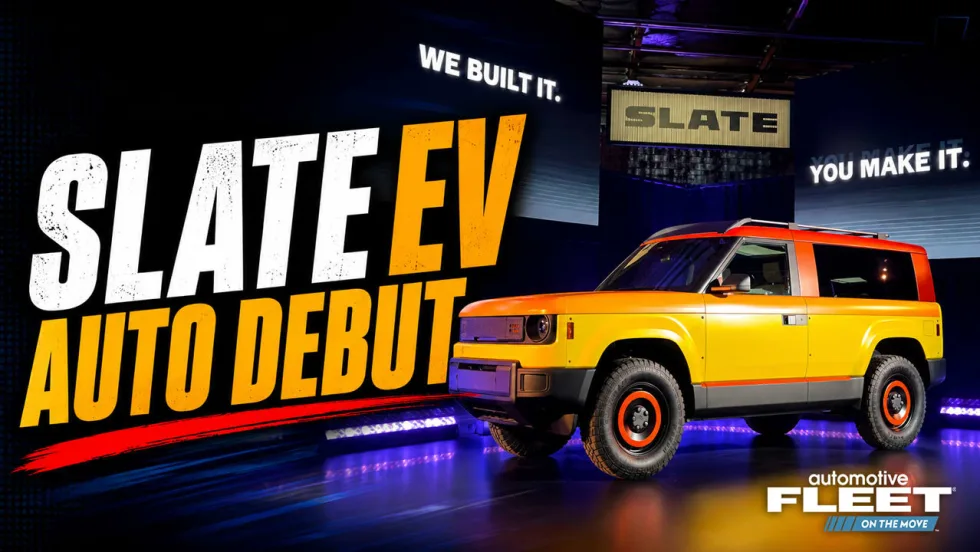
First Look: Slate Auto's Electric Fleet Pickup
Could an affordable, modular EV pickup make electrification more practical for fleets?
Read More →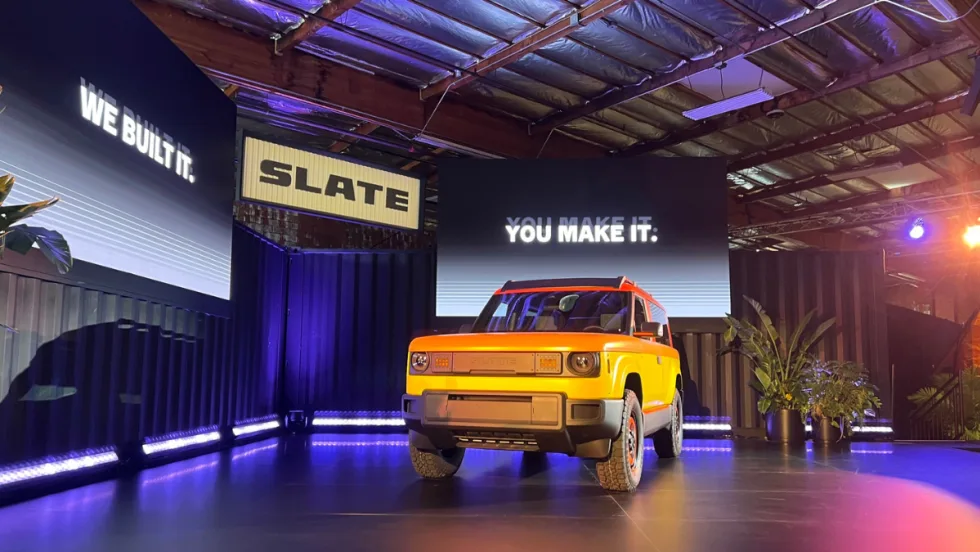
Slate Debuts Colorful, Unique EV Models
A recent media and client event, studded with electric vehicles dressed up on platforms, planted a new position for the manufacturer in the wider EV market. Fleets will find cost-saving advantages.
Read More →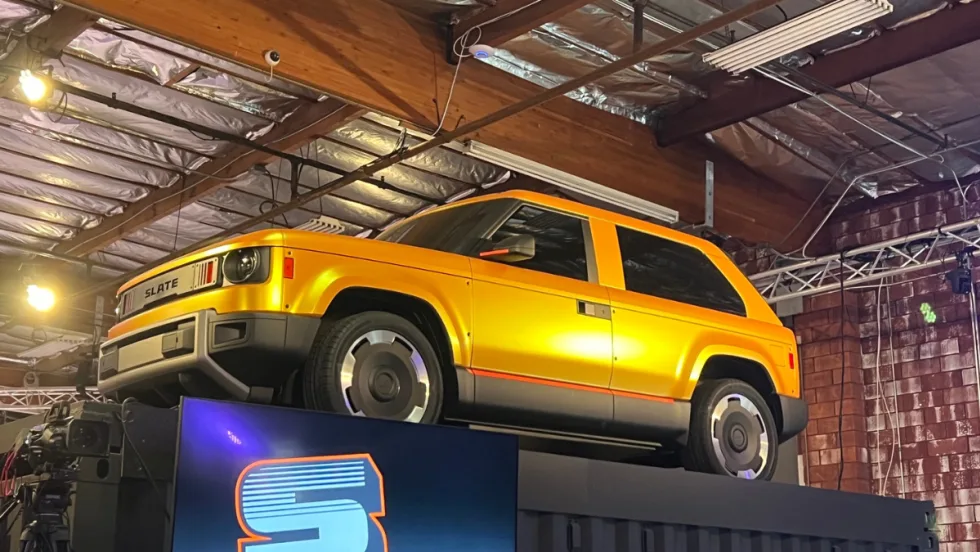
Slate Electric SUV, Pickup Switchable Model Aims For Light-Duty Fleets
Everything about this EV is counterintuitive and understated, making it stand out from the crowd.
Read More →
Inspiration Mobility Acquires Key Electrada Assets
Inspiration Mobility Group has acquired select assets of Electrada, adding the fleet electrification provider's team, technology, and charging infrastructure development capabilities to its energy management business.
Read More →