




Electric Scooters Aren’t Zero Emissions
Electric scooter may not directly emit emissions but do contribute greenhouse gases factoring in charging. However, they contribute 59% less CO2 per mile than the average car.
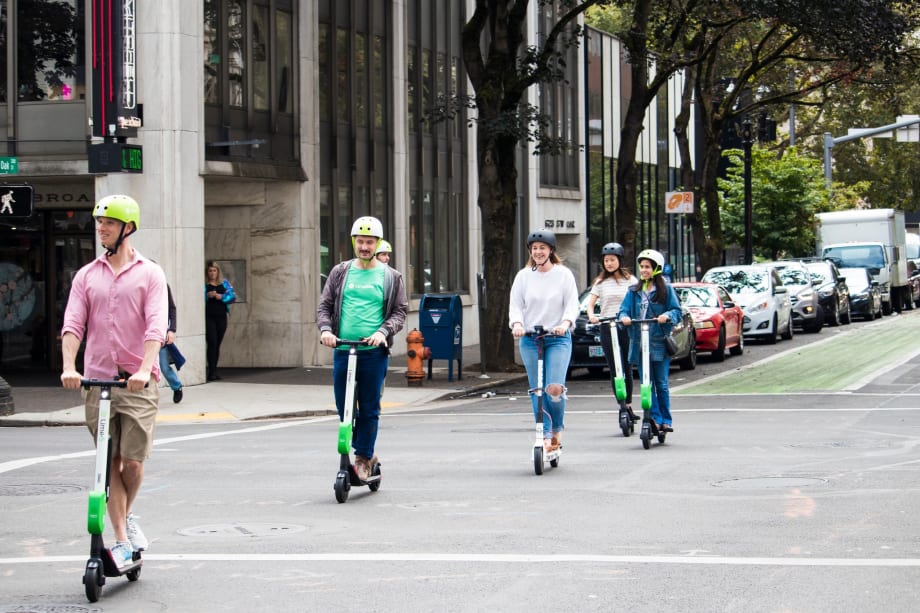
Photo via Flickr.
Electric Scooter Insider has unveiled that electric scooters may not be as good for the environment as they lead on to believe. The site reviews and recommends the best electric scooters to consumers and has uncovered the truth behind the real environmental impact of electric scooters.
Electric Scooter Insider calculated the CO2 per kilowatt-hour for delivered electricity and combined this with the time needed to charge an electric scooter to travel one mile.
This revealed the amount of CO2 released to produce the electrical charge needed to travel per mile on an electric scooter. The amount of CO2 released per mile was then multiplied by the total miles traveled to uncover the environmental impact in 2018.
Electric scooters may not directly emit emissions while being ridden but they do contribute to greenhouse gases once you factor in the environmental impact of charging the scooters.
Shared electric scooters, on average, take 6 hours to fully charge and have the battery power to be ridden for 20 miles. This equates to a charge time of 18 minutes per mile. Combined with the 487.37 grams of CO2 emitted per kilowatt-hour, the electricity needed to charge a scooter per mile results in the release of 146.21 grams of CO2.
There are more Americans riding shared micromobility devices today than at any point in the past. In fact, the National Association of City Transportation Officials revealed that 84 million trips were taken on shared micromobility in 2018, more than double 2017 figures. With the widespread popularity, 38.5 million of those trips were taken on electric scooters.
Electric scooter riders average 1.5 miles per trip and when combined with the 38.5 million trips, approximately 57.75 million miles were traveled on electric scooters in 2018. The extensive use of electric scooters has, therefore, had a direct impact on the environment resulting in the release of 9,308 tons of CO2, equivalent to the energy use of an average house for 650 years.
Although electric scooters contributed 9,308 tons of CO2 in 2018, this is far less than what the potential environmental impact could have been if electric scooters were not introduced. If those 57.8 million miles were completed by traditional transport methods (cars), the amount of CO2 emitted would be more than double (22,720 tons).
Despite not being a completely clean method of transportation, they contribute 59% less CO2 compared to the average car in America (356.91 grams of CO2 per mile of gasoline consumption).
More Fleet Forward

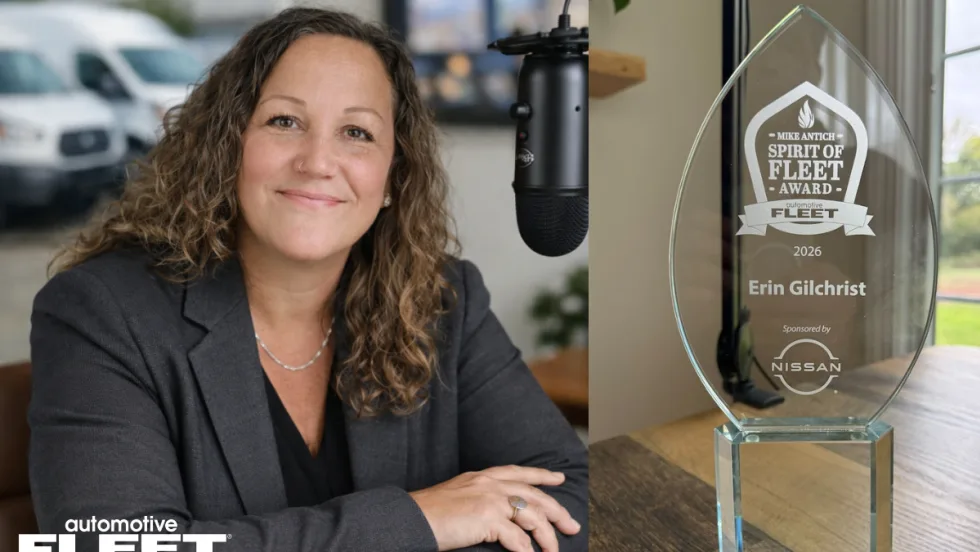
Erin Gilchrist Receives Mike Antich Spirit of Fleet Award
Last week at AFLA in Vegas, Erin Gilchrist received the inaugural, brand-new Spirit of Fleet Award.
Read More →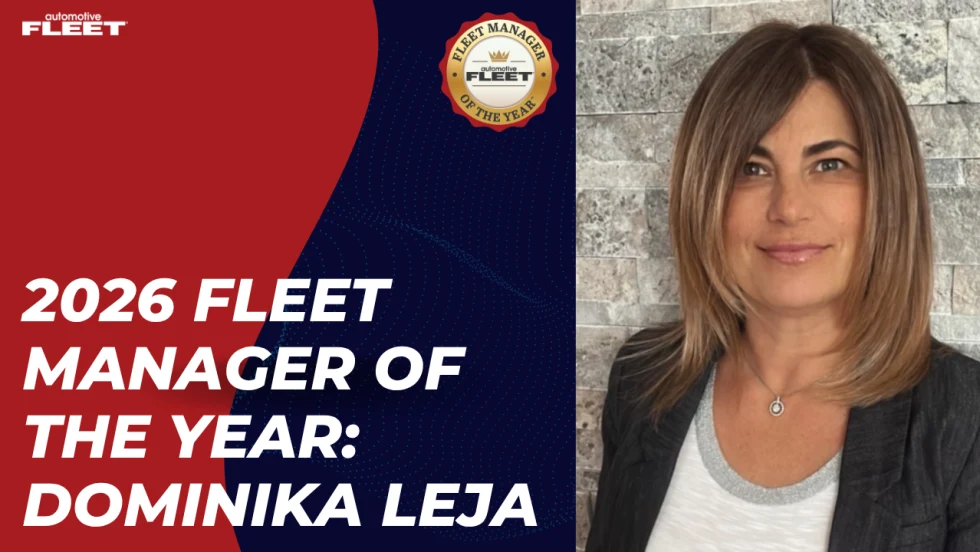
Dominika Leja Named the 2026 Fleet Manager of the Year
The AstraZeneca associate director of fleet was recognized for her leadership in fleet electrification, cost savings, and operational transformation.
Read More →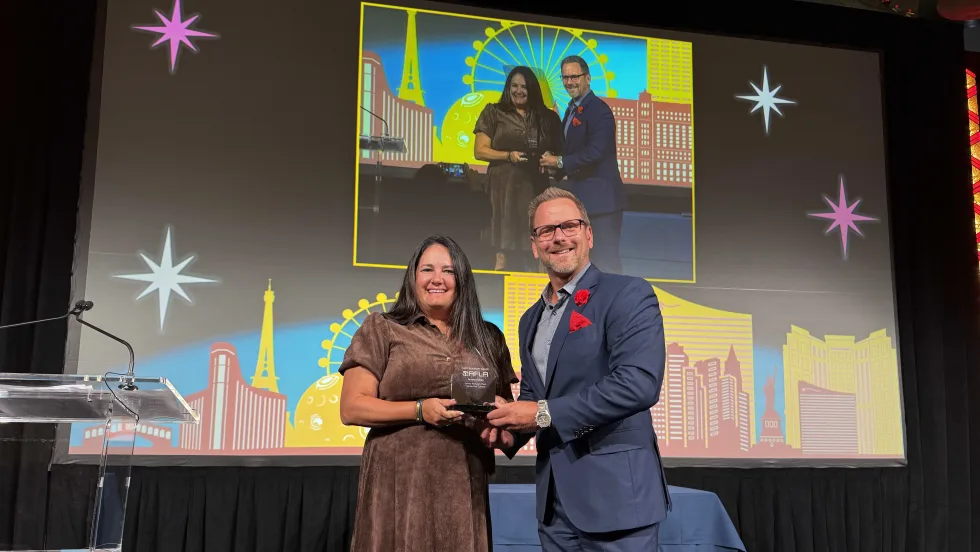
Jamie McKay Named the 2026 Fleet Visionary Award Winner
The Aptive Pest Control fleet manager was recognized for her approach to operations, data, lifecycle management, and driver needs.
Read More →
Fleet Forward Conference Introduces One-Day Passes for 2026
New one-day registration gives fleet professionals the flexibility to attend Tuesday, Wednesday, or Thursday, with passes available for $199 through Sept. 18.
Read More →
Vibe Coding: When Fleet Managers Become Software Builders
Five fleet professionals — none with programming skills — discuss how they’re using AI to build fleet solutions in-house and in a fraction of the time.
Read More →
Fleet Forward Conference Tackles Fleet Industry’s Growing Leadership Gap
This session will examine succession planning, knowledge transfer, and the skills the next generation of fleet leaders will need as veteran professionals leave the industry.
Read More →
2026 Fleet Manager of the Year Finalists Announced
Who are the 2026 Fleet Manager of the Year finalists?
Read More →
John Rossant to Deliver Opening Keynote at 2026 Fleet Forward Conference
The CoMotion founder will draw on developments across Europe, China, the Middle East, and other international markets to identify trends that could influence how U.S. fleets plan for the coming decade.
Read More →
How to Build Custom Fleet Tools With AI and Vibe Coding [Webinar]
A new Automotive Fleet webinar explores how fleet managers are using AI and vibe coding to automate routine work and create simple operational tools without traditional programming skills.
Read More →