




Editor's Page
We have been extremely interested in the evolution that has been taking place in the leasing industry during the past few years that affects management of the business-type fleet.
We have been extremely interested in the evolution that has been taking place in the leasing industry during the past few years that affects management of the business-type fleet.
Today better than 60 percent of the larger size business fleets are at least partially on some kind of lease. Additionally, about three-quarters of these leases are of the finance-lease type. Couple these facts with a very real shakeout of the marginal (and some of the better known names) companies and you find a pretty typical industry that continues to blossom but is beset with the growing pains of a healthy birth.
If you will read and review the two key interview stories in this issue that reflect industry observations by schoen and the ambitious objectives of Smith, you will better understand that, not unlike any important business, it still requires an excellent product and or service along with outstanding guidance and direction by unselfish leaders to maintain the respectable place that has been set.
We could easily have written these paragraphs about the problems that continue to face the industry … the high rates for borrowing money, the shortage of experienced personnel, depleting used car prices, changing factory policies, the plight of the existing fleet managers … but after sitting in with two of the industry’s key leaders leads us to believe the leasing business is probably long overdue for an earned pat on the back.
In the next few months we can expect to hear loud and clear voices from NADA on the question of discounts (or the ‘bad’ word, subsidies) for fleet purchases.
GM has now rejoined the other majors with a sound and competitive plan in this area for the first time since 1958. There remains little doubt that this action has been taken to combat increased success in the market place by their competitors.
As any good businessman would react, GM has reached a point where to continue with some kind of righteous or “head in the sand” attitude would surely cost them sales and loyalty in addition to a share of the market that they have coveted and cherished as we do our position in the publishing business.
While they have been successful in avoiding it for some years, sheer competition dictates a move that may cut in slightly from shareholders’ dividends.
NADA will shout, establish committees, and call for reversal even though little has been heard from them during these prospering and record new car sales years as the other three auto companies have continued with their fleet subsidies to remain competitive.
Yes, there will now be cries of “foul.” And they will be loud!
The simple facts are contained in our free enterprise system. The dealer that does not understand or accept fleet discounts (probably because he is not engaged in fleet business) is the same dealer who buys a case of motor oil instead of by the can … because of the discount … and ultimate profit for him.
More Operations

Turn Fleet Data Into Smarter Decisions
Fleet leaders have access to more operational data than ever, but disconnected systems and unclear metrics often slow decision-making instead of improving it. This article outlines five practical steps fleets can take to transform fragmented data into actionable insights that improve planning, safety, utilization, and long-term performance.
Read More →
Hybrids: Electrification Without the Challenges
For fleet managers, fuel is one of the biggest line items in the budget — and it's one hybrids can shrink without changing how your people work. Download the eBook to see the numbers, understand the technology, and get a step-by-step guide to making the switch.
Read More →
How NOV Uses Telematics to Improve Fleet Safety Across 160 Locations
James Victory of NOV discusses how the company manages fleet safety, maintenance, and telematics across more than 150 locations supporting oilfield operations throughout the U.S.
Read More →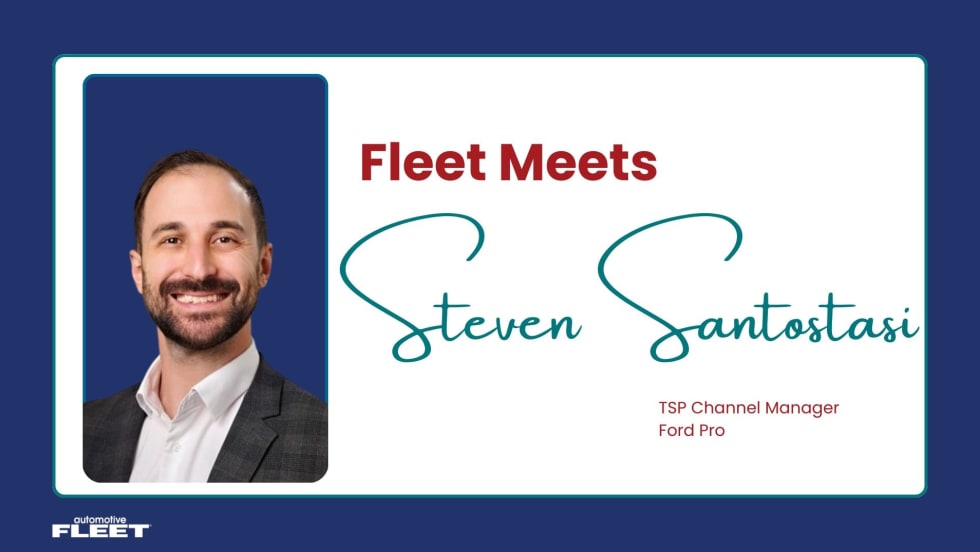
Fleet Meets: Steven Santostasi
This edition of the Fleet Meets series features Steven Santostasi, the current TSP channel manager for Ford Pro.
Read More →
Why Fleet Managers Are Replacing Departmental Vehicles with Shared Motor Pools
Departmentally assigned vehicles often create hidden costs through underutilization, poor visibility, and increased administrative burden. This white paper explores how shared motor pool strategies help fleets reduce costs, improve accountability, and optimize vehicle utilization.
Read More →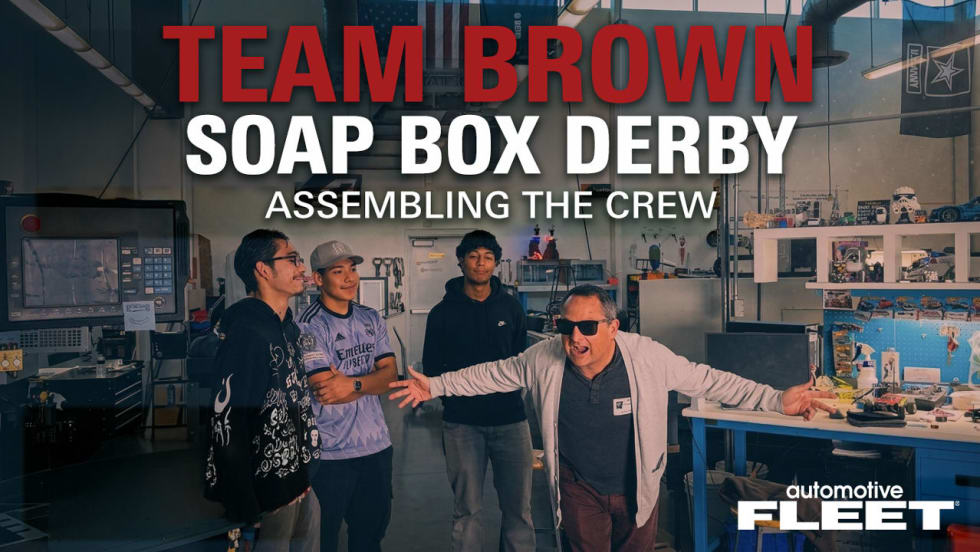
Soap Box Derby Challenge: Assembling the Crew
Meet Gabriel, Matthew, and Angel — the team helping bring this soap box derby build to life.
Read More →
BBL Fleet Acquires Velcor Leasing Corporation
BBL Fleet expanded its footprint in the fleet management industry with the acquisition of Velcor Leasing Corporation of Madison through a stock purchase agreement finalized Feb. 27, 2026.
Read More →
Lytx Introduces New AI Fleet Technologies at Protect 2026
The company introduced new AI-driven fleet safety and operations technologies during its annual user conference.
Read More →
Fleet Costs Are Rising: Here’s How Leaders Are Responding
Fleet leaders are under pressure to reduce costs, adapt to economic uncertainty, and make smarter decisions. See how peers across North America are responding with real data, proven strategies, and forward-looking insights. Download the 2026 Market Pulse Report to benchmark your strategy and uncover where you can gain an edge.
Read More →
From Waffle House to AI: Fleet Trends You Need to Know
In this AF news recap, host Faith Howell covers how Waffle House stepped up during disaster response and new AI tech on the market.
Read More →