




Ed Bobit's Publisher's Page
There never seems to be an easy or smart way to manage getting something fixed, no matter how minor, even with an appointment. There is always a line to wait in or endless agony waiting in the showroom with those new car salesmen leering at you with thoughts that must parallel those President Carter reported to Playboy.
Every dissatisfied car owner tends to multiply his own bad experiences into the entire car population. If his car has a defect, or he doesn't receive prompt and courteous service, he doesn't see himself as an exception. Instead, he is inclined to say, "They just don't build them like they used to ..." -Thomas A. Murphy, Chairman of the Board of General Motors, January 30, 1977, at the Automotive Organization Team luncheon.
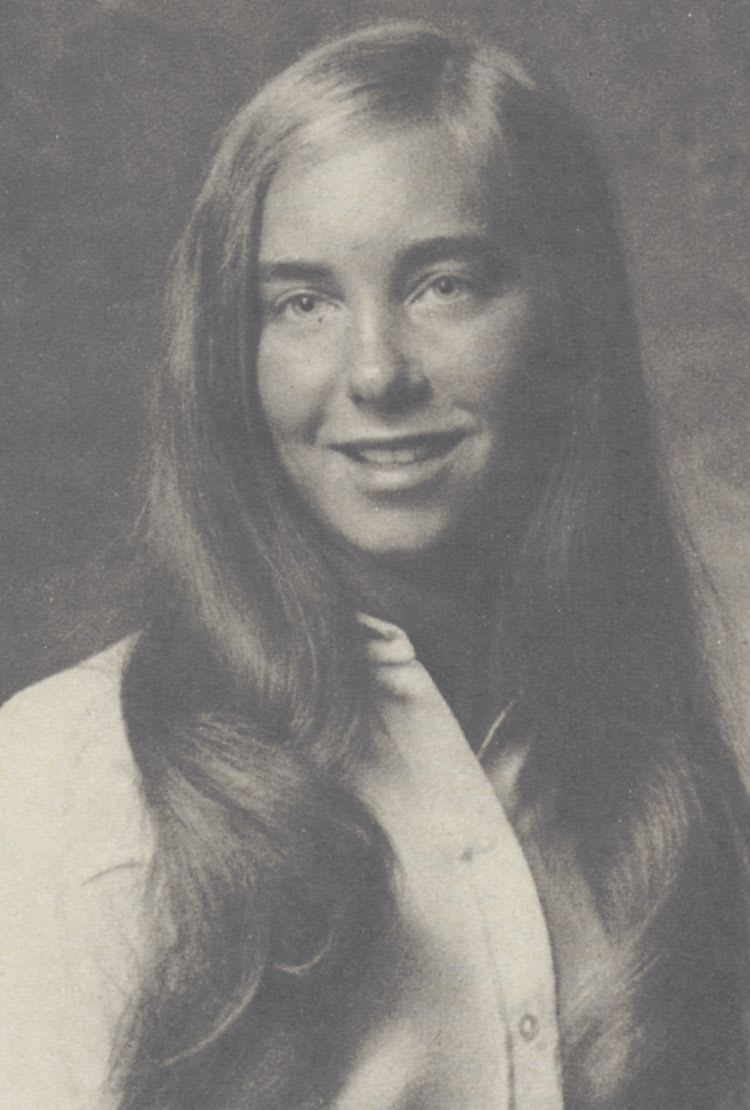
My name is Barbara Bobit. I'm 21 now and have just completed my stint in nurse's training and now find that Pop needs me more than the hospitals. And if you could catch a glimpse of him after his recent tour of meetings and conventions (translated, means lots of rich hors d'oeuvres, long cocktail receptions, full course dinners and late hours of revelry) he
does need a shot, and I do not mean of gin. He looks like Ford the day after the election, or a Michigan player after the Rose Bowl, or Kissinger finally having to pay for an air ticket. He's exhausted after the NADA affair in New Orleans, a Truck Stop convention in Phoenix, the national press preview of the Versailles in Cota de Caza, California, the AALA meeting in LaCosta, Uniroyal's new tire announcement in Laredo, the Chrysler LeBaron and Diplomat preview at Ontario Motor Speedway and a preliminary St. Patrick's Day planning meeting at the local Willow Inn Club. You can see why he has assigned this task to me again.
In searching through Pop's file, Mr. Murphy's remarks quoted above referring to "They just don't build 'em like they used to," could have been pointed at Pop, but he was really referring to the opinion that Mr. Average Car Owner has about today's automobiles. There must be a reason why even this younger generation has an inherent dread of going into the service bay of a dealer. There never seems to be an easy or smart way to manage getting something fixed, no matter how minor, even with an appointment. There is always a line to wait in or endless agony waiting in the showroom with those new car salesmen leering at you with thoughts that must parallel those President Carter reported to Playboy. Why can't they look like Robert Bedford or Steve McQueen just once? Eventually, you may find out, as I have, that they do not have a key repair part and have to order it, or something like that, which requires that you go through the ordeal again.
What occurs to me is the immeasurable cost for fleet drivers who are going through the same procedure all over the country every day. Lord knows that they are paid a lot of money for their working hours and to literally waste them waiting for a car must amount to a very large sum. Probably more than Pop's bet on the Notre Dame-Michigan State football game.
Maybe industry should follow the lead of the drivers in the Internal Revenue Service. The National Treasury Employees Union's recently-approved contract enables 30,000 members to take paid time off if they must have emergency repairs on their cars. It is paid time off, without charge to either sick or annual leave, which employees now must take if they have car trouble. Fortunately for us taxpayers, it does not go into effect until spring so all their current snow and freeze problems are still charged to them.
One of the fun things to finger through was the new 412-page Department of Transportation report which estimates that we will be operating 15-million vehicles on our highways in the year 2000. Most of those are going to be lined up at the light as I am trying to rush home after work, I'm sure. The important thing is that America still has that beautiful love affair with the automobile and Congress and all those other politicians are going to have a tough time keeping all of us from enjoying the personalized mode of transportation that we embrace so dearly. (Like Pop and Beefeaters.)
Seriously, Pop actually went on the wagon for a few months and it was like election day in the late Mayor Daley's First Ward. We finally have him settled down to normalcy and hopefully do not have to worry about those 'anti-freeze' solutions, which prevent a total freezing of the system during these record winter months. Somehow, we all should benefit.
Hope to see you all at the AFLA and NAFA meeting in Pittsburgh, if I can pry air fare out of him, which is like trying to clear the bar at midnight at the Emerald Isle Pub on St. Patty's night.
More Operations

Avis Budget Group Deploys Neology Toll Management Technology Across Major Brands
Neology’s neoFleet platform will manage toll transactions and toll-authority operations for vehicles across Avis, Budget, Payless, Budget Truck and Zipcar.
Read More →
Fleet Personal-Use Charges Edge Higher in 2026
Nearly eight in 10 surveyed fleets allow personal use of company vehicles, while just over half of respondents report charging employees for the privilege.
Read More →
The Future of Fleet + What’s Changing Right Now | AF News Recap
Could developments overseas offer a preview of what’s coming for U.S. fleets? This week, we’re looking at the future of AI, autonomy, and electrification, plus Ford Pro’s new certified pre-owned program, smarter vehicle offboarding, and a new way for fleets to manage toll expenses.
Read More →
How to Handle Vehicle Offboarding
What do fleet managers need to do when a driver leaves?
Read More →
Fleet Manager’s Ultimate Playbook: Navigating the New Standard in OEM Connectivity
Rising operating costs, driver safety concerns, and unplanned downtime are putting unprecedented pressure on modern fleets. Discover how fleet managers use embedded OEM connectivity and real-time vehicle data to cut TCO, prevent downtime, and protect drivers without aftermarket telematics hardware.
Read More →
U.S. Bank Adds Verra Mobility Toll Management to Voyager Fleet Platform
The integration allows U.S. Bank Voyager fleet customers to manage toll payments and violations alongside fuel, EV charging and maintenance expenses.
Read More →
ADAS Prevents Crashes. But Repairs Cost More | AF News Recap
ADAS-equipped vehicles may crash less often, but they can cost more when they do. This week, we’re breaking down what that tradeoff means for fleets, plus Subaru’s first Forester Wilderness Hybrid, Nissan’s new e-POWER Rogue, and why Calstart has become Catalyst Mobility.
Read More →
Moventum Fleet Management Names Mark Iorillo Head of Sales
Iorillo brings nearly 20 years of fleet management and sales experience to the role, including previous positions at Element Fleet Management, CEI, Donlen and Ryder.
Read More →
Fleet Has a Talent Pipeline Problem. What Comes Next? | AF News Recap
Where will fleet’s next generation of leaders come from? This week, we’re looking at the industry’s talent pipeline, what certification can add to a fleet career, how to build an award-worthy track record, and the return of Automotive Fleet’s Personal Use Survey.
Read More →
Smith System Launches Driver Risk Management Program
Fleets have more driver data than ever, but identifying risky behavior doesn't necessarily correct it. Smith System's new Driver Risk Management program combines monitoring, training, and follow-up coaching to help fleets connect risk signals with driver intervention.
Read More →