




Ed Bobit's Publisher's Page
Barnhart's remarks reflect the "new look' in Washington and the intent of the Republican party to abolish the 55-mph speed limit.

The national 55 mile per hour speed limit is a stinking law but I plan to enforce it. The U.S could trim highway funds to block the dozen state proposals to raise it. Congress should let states set the limit and I won't penalize them if they reduce fines for exceeding 55-mph.
Raymond Barnhart, head of the Federal Highway Administration in an April, 1981 statement.
Barnhart's remarks reflect the "new look' in Washington and the intent of the Republican party to abolish the 55-mph speed limit. Last fall, during the campaigning, few of the nation's citizens found this particular plank as critical or emotional as those of unemployment, inflation, taxes, and women's rights or foreign policy. Today this law is receiving serious consideration and about a dozen states have legislation pending leading toward the removal of the double-nickel. Nevada is the first state to implement a new law that requires officers to issue a citation for "wasting energy" to those motorists traveling between 55-70. The fine is $5. Anything over 70-mph requires payment of the normal speeding fines. It is my opinion that few tickets will be issued for those driving under 70-mph.
As I pointed out in my editorial last October, my only concern is safety. Research shows that only about one-third of the country's vehicle mileage is accumulated on roads where 55-mph or more is possible, and only one-half of that is actually driven above the speed limit. Using a probable average savings of 12 percent per car, a 2 percent maximum savings would be possible if every motorist complied with the law all the time. With fuel accounting for about a quarter of our total energy needs, we could save only one-half of one percent of energy consumption with 100 percent effectives. During this current fuel glut, energy saving may not be an important factor in maintaining the 55-mph limits.
Perhaps the strongest argument for opposition to the 55-mph limit is that it is not cost effective. Time is one of our most precious assets. Lower speeds on interstate highways, alone, cost Americans nearly 3 million extra hours per year in travel time. If gas was priced at $5 per gallon, we still would be laboring for less than the minimum wage when driving at 55.
On the subject of safety surrounding the limit. Arizona Representatives Donna Carlson-West and Peter Goudinoff point out that even if we accept the dubious argument that 4,500 lives per year are saved by the 55-mph limit, it would take more than 100 years of extra driving to save one life. Their quote is, "we should live so long"
Since the Administration seems bent on turning the ultimate speed limit decision over to the individual states we must address ourselves to the question of lost man-hours and productivity. We must examine the rural roads Nationwide, the wide-open interstates in the west as compared to the congestion in the Northeast. The states now appear to have an opportunity to establish new limits. It will be interesting to see how they vary from state to state a year from now.
ED BOBIT
More Operations

Fleet Has a Talent Pipeline Problem. What Comes Next? | AF News Recap
Where will fleet’s next generation of leaders come from? This week, we’re looking at the industry’s talent pipeline, what certification can add to a fleet career, how to build an award-worthy track record, and the return of Automotive Fleet’s Personal Use Survey.
Read More →
Smith System Launches Driver Risk Management Program
Fleets have more driver data than ever, but identifying risky behavior doesn't necessarily correct it. Smith System's new Driver Risk Management program combines monitoring, training, and follow-up coaching to help fleets connect risk signals with driver intervention.
Read More →
Automotive Fleet Opens 2026 Personal Use Survey for Commercial Fleet Managers
Less than two weeks left! Commercial and corporate fleet managers are invited to share how their organizations handle company vehicle personal-use policies, charges, and driver eligibility.
Read More →
From AI Prompts to AI-Generated Safety Songs | AF News Recap
Can better prompts make AI more useful for fleet managers? This week, we’re breaking down smarter fleet analysis, an AI-assisted experiment that turned safety training into music, and what happened to fuel prices in August.
Read More →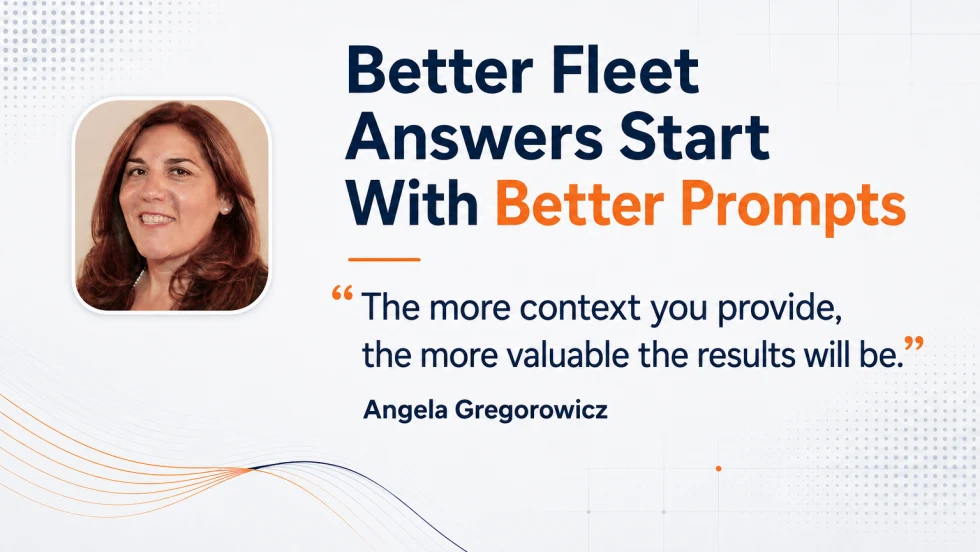
How to Write Better AI Prompts for Fleet Analysis
Include these six elements in your fleet prompts to generate more relevant analysis and accurate answers.
Read More →
Fleet Meets: Eric Kilgore
This edition of the Fleet Meets series features one of the industry's best leaders driving multi-market and national operations.
Read More →
Why Reactive Fleet Management Is Becoming Too Expensive to Sustain
Research highlights a growing need for proactive management strategies to address rising costs in fleet operations effectively.
Read More →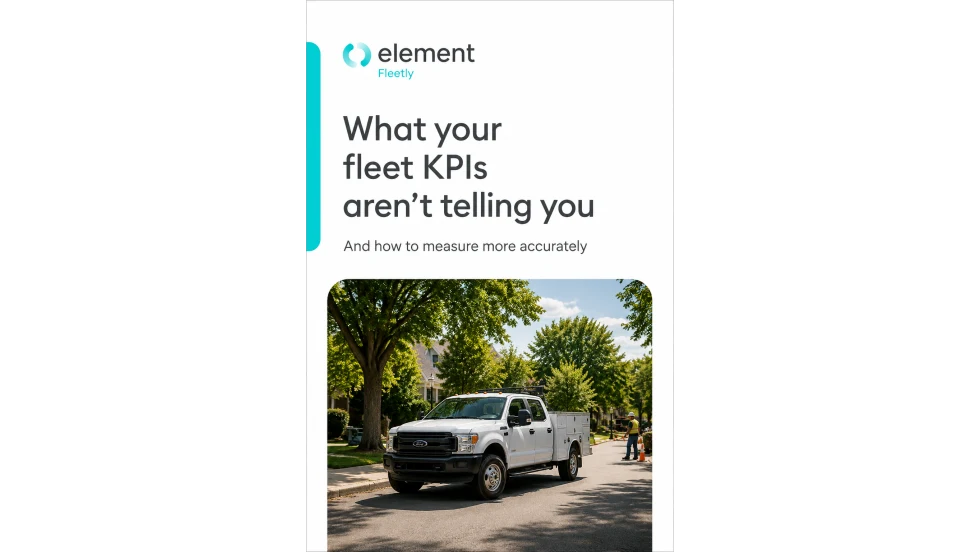
What Your Fleet KPIs Aren’t Telling You
Tracking fleet metrics is only useful when the data leads to better decisions. This guide helps fleet leaders assess cost, utilization, and downtime more accurately, identify performance gaps, and prioritize the actions that can improve operational results.
Read More →
Hidden in Plain Sight: Fleet Compliance Risks
Fleet compliance isn't just about having policies — it's about consistently enforcing them. This practical guide reveals six hidden compliance risks common in public sector and shared fleet operations and outlines proven strategies to improve visibility, accountability, and audit readiness
Read More →
Turning Fleet Payment Data into Executive Insights
Does data alone drive results in operations?
Read More →