




Ed Bobit's Publisher's Page
From the story in this issue on the operation of a leading fleet dealer our casual reader might get the mistaken impression that we feel all is rosy on the dealership front. Nothing could be further from the truth.

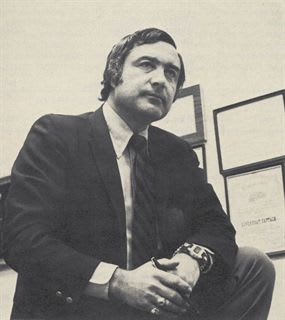
When there is muck to be raked, it must be raked, and the public must know of it, that it may mete out justice.. . Publicity is a great purifier because it sets in action the forces of public opinion, and in this country public opinion controls the courses of the nation. Charles Evans Hughes: Address, Manufacturer's Assn., May 1908.
From the story in this issue on the operation of a leading fleet dealer our casual reader might get the mistaken impression that we feel all is rosy on the dealership front.
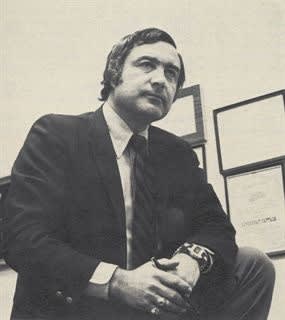
Nothing could be further from the truth. Dealer service is currently maintaining its decade-low level according to letters, field interviews and a review of our own personal business fleet at Bobit Publishing.
Personal instances include:
A hood ornament that has been back ordered for more than two months.
One of our working gals has had continued electrical problems and an exhaust system that kept falling apart (after three dealer service visits). Beginning a busy morning schedule that included dropping kids off at three different schools, she came into the dealership about 8:45 a.m. each day. She found they were booked for those days. She was asked to "get in early" as they do not make appointments. Since the car was dangerously close to the 12,000 mile mark, we had to lend a hand.
The retail sales manager had a customer hot for one of the (also) hot intermediates that were awaiting fleet delivery. Since he could cut it for a big six (hundred, that is), he "stole" the car. The poor fleet driver, who had waited two years for exactly the car he wanted, had to make a secondary choice.
There are any number of stories, all add important cost to a company's fleet operation. Perhaps one of the most tragic is another story that happens all too often.
I happened to ride in this particular less- than- one- year-old wagon to Milwaukee and remarked to my fleet driving friend that it was in magnificent condition. He related that he treats a car like his home, and even though it is not his own, it deserves good attention. He was also excited because he was picking up his new replacement three days later.
Well, the dealer fleet man agreed with me when he turned the car in; it was fresh. The condition report is reproduced here to verify that not only was nothing noted wrong with the car, but he voluntarily wrote "Sharp" across it - hopefully reflecting his personal view.
A few weeks later my fleet driving friend receives an invoice for $235, yes, $235. For what, I asked. For "repairing the transmission" (it functioned perfectly) and "removing the decals". Now I was in the car. There was not even a city sticker on it. And it was not a replacement for side panel covering sometimes referred to as decals (it did not need it), as the charge was only for "removal of decals".
The leasing company had never seen this car - from inception to replacement - which is normal. The whole point is that there still remains a number of dealers that are costing fleets a ton of money, with productive sales or executive people not getting efficient service and instead getting the "schtick" on replacement.
It is incumbent on every fleet manager and their lease company that may represent them, to narrow this tragic and expensive margin of error. Fleet business should be good business.
More Operations

Company Vehicle or Reimbursement? How Fleets Are Rethinking Assignments
As fleet costs and insurance pressures rise, fleet managers are taking a closer look at which employees need company-provided vehicles and when a reimbursement program may make more sense.

Fleetio, ASE Launch Scholarship Program for Automotive Technicians
The second annual program will award 15 scholarships totaling $35,000 to support ASE certification, testing fees, and equipment costs.

Reading the Global Signals: What AI and the Energy Transition Mean for Fleets Now
In this opening keynote of the 2026 Fleet Forward Conference, John Rossant, founder of CoMotion, How can fleet managers navigate a never-ending, changing industry landscape?

90% Use Telematics. Are Fleets Getting Safer? | AF News Recap
This week, we're breaking down which industries have the highest rates, how Jamie McKay manages 2,400 vehicles, what's happening with the 2027 fleet awards, and why software-defined vehicles could introduce new costs.

What's Best Handled by an FMC, and What's Better Done Directly?
Fleet managers continue to rely on FMCs for essential services but are taking a closer look at where working directly with suppliers can improve efficiency and responsiveness.

Fleet Meets: Erin Gilchrist
Meet Erin Gilchrist, the inaugural Mike Antich Spirit of Fleet Award winner, as she shares insights on leadership, mentorship, the power of industry connections, and why people remain at the heart of fleet's future.

How 2026 Fleet Visionary Jamie McKay Manages 2,400 Vehicles Across 37 States
How do you keep 2,400 vehicles running across 37 states? Fleet Visionary Award winner Jamie McKay shares how collaboration, flexibility, and a few simple strategies help her tackle fleet management challenges at Aptive Pest Control.

Managing Fleet Costs in an Era of Permanent Volatility
Fleet operating costs have risen more than 20% since 2020, raising a key question: When does extending a vehicle's service life stop making financial sense?

The Next Evolution of Fleet Management: Autonomous Operations
This opening keynote session at the Fleet Forward Conference highlights the future of autonomous driving for fleets.

How to Reduce the Total Cost of Risk From Catalytic Converter Theft
A stolen catalytic converter can cost fleets far more in downtime and lost productivity than in repairs. A total-cost-of-risk approach can help fleet managers quantify their exposure and prioritize theft prevention.