




Ed Bobit's Publisher's Page
The business of predicting the future is always risky-particularly when it involves how much used cars will sell for at some future date.

My mail bag probably is not much different than yours. It regularly brings in the brickbats along with the bouquets. Occasionally, we find that someone takes some important time to analyzer topical questions that have been raised within the industry.
My October editorial apparently rang a few bells and one of the more articulate letters that came in follows:
Dear Mr. Bobit:
I enjoyed reading your Editorial in the October issue of Automotive Fleet. The business of predicting the future is always risky-particularly when it involves how much used cars will sell for at some future date.
You pointed out your frustrations in determining what would happen to the used car market because of the price freeze, import levies and expected reduction of the excise tax. We as "counselors" to our lessees, find this same frustration to be true. In late August and early September, we were recommending that our "professional fleet administrators" who operate fleets of vehicles for their company begin immediately an intensive campaign to bunch together all of the vehicles they would require between now and next February. We recommend that orders be place immediately with us so that they could:
(1) Take advantage of price freeze and get delivery of 1972 cars at 1971 prices.
(2) Remove from service as many used cars as possible, as early as possible before the used car market drop in mid-October.
We found many fleet administrations could not follow these suggestions because:
(1) Many companies replace on a time or mileage basis, and any deviation from this policy requires approval of top management people who react slowly to change.
(2) Accurate records pertaining to vehicle mileage, condition and other pertinent details of the fleet are not utilized for maximum benefit.
The "strong need for better research" in predicting the results of new elements introduced into the market area for the lessor and the lessee is extremely difficult when the end results are based on how much the used car will sell for in the open wholesale market. This even holds true for what the used car market will be for intermediate size cars when the law of "supply and demand" has had a chance to exert its grip on this type of car with 50,000 miles two years from today. We too would like to find a magic formula that will predict the future.
You indicated in your editorial that you found "more companies than expected" in your recent search for lessees that have gone from leasing to company ownership or have transferred to another leasing company. We believe the reason for this is "disenchantment" with the performance of some of the pitfalls for a company that leases their vehicles from a leasing company that they know nothing about. We know the names of major companies who have suddenly found themselves in a very embarrassing situation because the lessor was going out of business due to poor management-poor rates, poor service and the inability to know the leasing business.
We suggest that some research be done by the lessee on the lessor prior to signing a contract. We even prepared a book tiled "How to Succeed in Leasing your Automobile Fleet." On pages 27 through 30, we titled the section "When comparing leasing companies, consider moving cautiously if the leasing company..." (Which went on the mention the things to look for when negotiating the contract with the lessor.) It is available from Leaseway at no charge to qualified fleets. The purpose naturally is reverse selling, but, the points are well founded; and if a checklist of this sort is used before a lease is signed, I'm sure you would find more satisfied companies, leasing their automobiles today.
A company such as Lease way that knows its business, knows its market and understands its lessees, finds it doesn't lose many accounts to other leasing companies or back to corporate ownership. We treat each of our lessee's problems seriously and try to provide them with the type of service that will maintain customer satisfaction.
I didn't mean to get carried away, I just wanted to pass on to you my thoughts regarding the vicissitudes that affect all of us in this business.
Very truly yours, John Bradshaw, Vice President, Leaseway System Corp.
Reader Bradshaw has on obvious understanding of our market as well as an admirable pride in his own company. We hope that he is typical of the concerned, interested and knowledgeable leaders who serve the fleet business and influence the future of the legions within our marketing parameters.
More Operations

Fleet Has a Talent Pipeline Problem. What Comes Next? | AF News Recap
Where will fleet’s next generation of leaders come from? This week, we’re looking at the industry’s talent pipeline, what certification can add to a fleet career, how to build an award-worthy track record, and the return of Automotive Fleet’s Personal Use Survey.
Read More →
Smith System Launches Driver Risk Management Program
Fleets have more driver data than ever, but identifying risky behavior doesn't necessarily correct it. Smith System's new Driver Risk Management program combines monitoring, training, and follow-up coaching to help fleets connect risk signals with driver intervention.
Read More →
Automotive Fleet Opens 2026 Personal Use Survey for Commercial Fleet Managers
Less than two weeks left! Commercial and corporate fleet managers are invited to share how their organizations handle company vehicle personal-use policies, charges, and driver eligibility.
Read More →
From AI Prompts to AI-Generated Safety Songs | AF News Recap
Can better prompts make AI more useful for fleet managers? This week, we’re breaking down smarter fleet analysis, an AI-assisted experiment that turned safety training into music, and what happened to fuel prices in August.
Read More →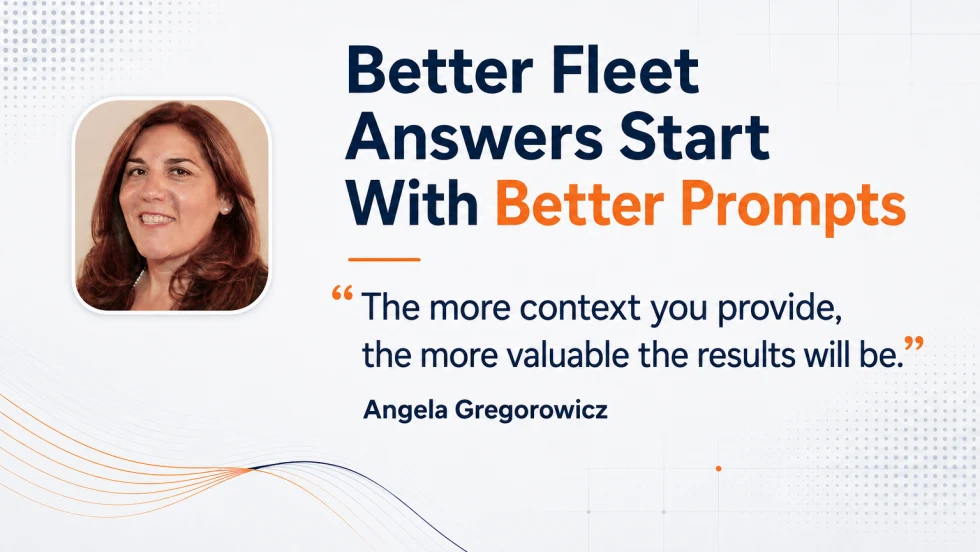
How to Write Better AI Prompts for Fleet Analysis
Include these six elements in your fleet prompts to generate more relevant analysis and accurate answers.
Read More →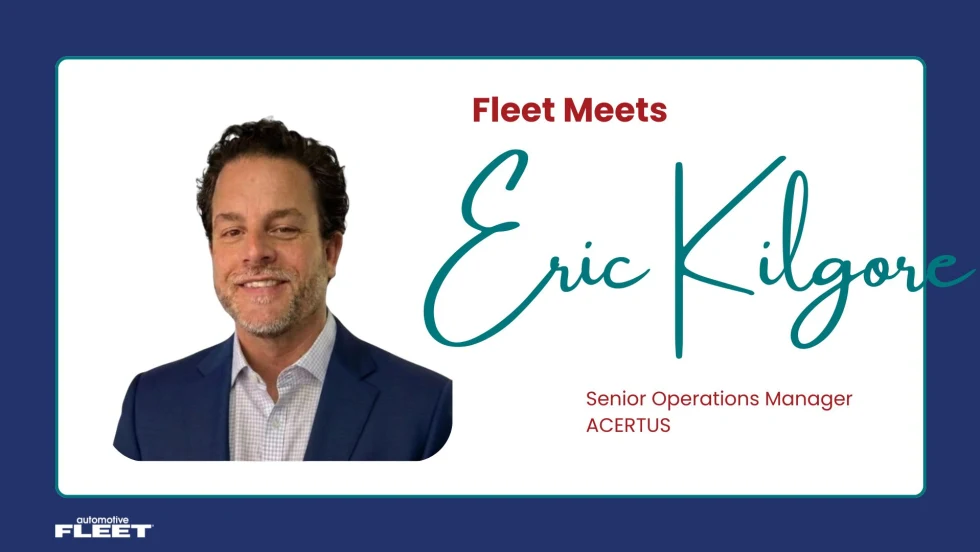
Fleet Meets: Eric Kilgore
This edition of the Fleet Meets series features one of the industry's best leaders driving multi-market and national operations.
Read More →
Why Reactive Fleet Management Is Becoming Too Expensive to Sustain
Research highlights a growing need for proactive management strategies to address rising costs in fleet operations effectively.
Read More →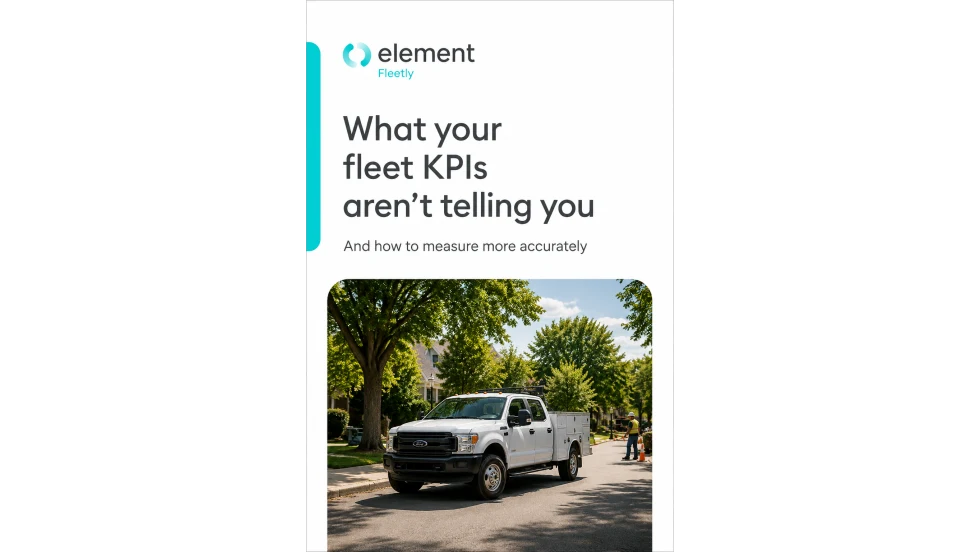
What Your Fleet KPIs Aren’t Telling You
Tracking fleet metrics is only useful when the data leads to better decisions. This guide helps fleet leaders assess cost, utilization, and downtime more accurately, identify performance gaps, and prioritize the actions that can improve operational results.
Read More →
Hidden in Plain Sight: Fleet Compliance Risks
Fleet compliance isn't just about having policies — it's about consistently enforcing them. This practical guide reveals six hidden compliance risks common in public sector and shared fleet operations and outlines proven strategies to improve visibility, accountability, and audit readiness
Read More →
Turning Fleet Payment Data into Executive Insights
Does data alone drive results in operations?
Read More →