




Ed Bobit's Publisher's Page
As a matter of our viewing the new '72 offerings, we find little to be excited about in terms of styling differences and /or mechanical engineering achievements (other than the costly Nader-nuisances that are promised) that might turn us on.

The 1972 model year is upon us and it is bringing a great deal more than 'new' cars. As a matter of our viewing the new '72 offerings, we find little to be excited about in terms of styling differences and /or mechanical engineering achievements (other than the costly Nader-nuisances that are promised) that might turn us on. Our genuine excitement stems from a number of economic factors directly affecting the industry, as well as our personal survey of fleet buyers and sellers.
Of particular significance is the report that car dealer fleet managers have more actual orders on their books now than at any time in past history, at this similar period of time. The buyers, fleet mangers at business-corporate firms, confirm this fact.
A number of factors have led to this bright promise of another great fleet year. One important factor is the delay and postponement of replacement units throughout the industry. Management has been reluctant to release the dollars even though the cycle had run its term. Now, they cannot wait any longer because of rising maintenance expense and the safety need inherent with an older car.
Other factors center around national economics. While business is not exactly booming, expense controls that were increased profits for most corporations with the advent of higher sales. There is a firmer confidence in the year ahead and those necessary business implements, including cars, will receive priority.
The fall, and final quarter, of this calendar year (the first quarter of the new model year) will burgeon under pressure for fleet orders and deliveries for an additional factor. We know now that new '72.s will cost us more, around $150 and 4% more, for that first quarter. On top of that comes the electronic gear for seat belts and similar new safety requirements on January 1 that are estimated to add at least another $100 to the initial capitalized cost. And there is not a professional soul who expects to only do we have the fall quarter piled with the postponed purchases, but we also have all those astute buyers who will be trying to buy into their winter requirements during first-of-the year costs. And there is not a professional soul who expects to obtain a penny back in resale. So, not only do we have the fall quarter piled with the postponed purchase, but we also have all those astute buyers who will be trying to buy into their winter requirements during this period to beat the added first-of-the-year costs.
The Chrysler divisions, Ford, Lincoln-Mercury and American Motors all have updated allowance and 'matching-value' plans to place each in a toe to toe competitive position with anyone else. American Motors new 'warranty' policies (covered in this issue) lend strong strength to their growing fleet interests.
Another factor sometimes overlooked is our awareness that the 'retail' dealer has now become alert to the significant numbers of fleet cars being registered (over a million each year of the eight million... one of every eight; roughly) and unlike the years past, is now saddling his fleet horse and studying the ways he can share in this market. Those vocal dealer outbursts against fleet sales are currently at a minimum. GM, in their infinite wisdom, has had teams of knowledgeable fleet people making presentations to their own regional management and staffs. Historically, these have been retail-minded men. They are now aware that the car fleet business could well represent a quarter of all sales within the decade.
All these factors bode for a great fleet year ahead; and very probably the biggest fall quarter of all time. It couldn't happen to a nicer market.
P.S. Since writing this, the President’s new economic message makes it plain that the excise tax will be removed. This move means that most fleet, leasing and rental buyers will try to pack every possible purchase within the 90-day freeze period when 72’s are going for the’ 71 bargain rates. Undoubtedly it portends to be the largest fleet quarter in history.
More Operations

Fleet Has a Talent Pipeline Problem. What Comes Next? | AF News Recap
Where will fleet’s next generation of leaders come from? This week, we’re looking at the industry’s talent pipeline, what certification can add to a fleet career, how to build an award-worthy track record, and the return of Automotive Fleet’s Personal Use Survey.
Read More →
Smith System Launches Driver Risk Management Program
Fleets have more driver data than ever, but identifying risky behavior doesn't necessarily correct it. Smith System's new Driver Risk Management program combines monitoring, training, and follow-up coaching to help fleets connect risk signals with driver intervention.
Read More →
Automotive Fleet Opens 2026 Personal Use Survey for Commercial Fleet Managers
Less than two weeks left! Commercial and corporate fleet managers are invited to share how their organizations handle company vehicle personal-use policies, charges, and driver eligibility.
Read More →
From AI Prompts to AI-Generated Safety Songs | AF News Recap
Can better prompts make AI more useful for fleet managers? This week, we’re breaking down smarter fleet analysis, an AI-assisted experiment that turned safety training into music, and what happened to fuel prices in August.
Read More →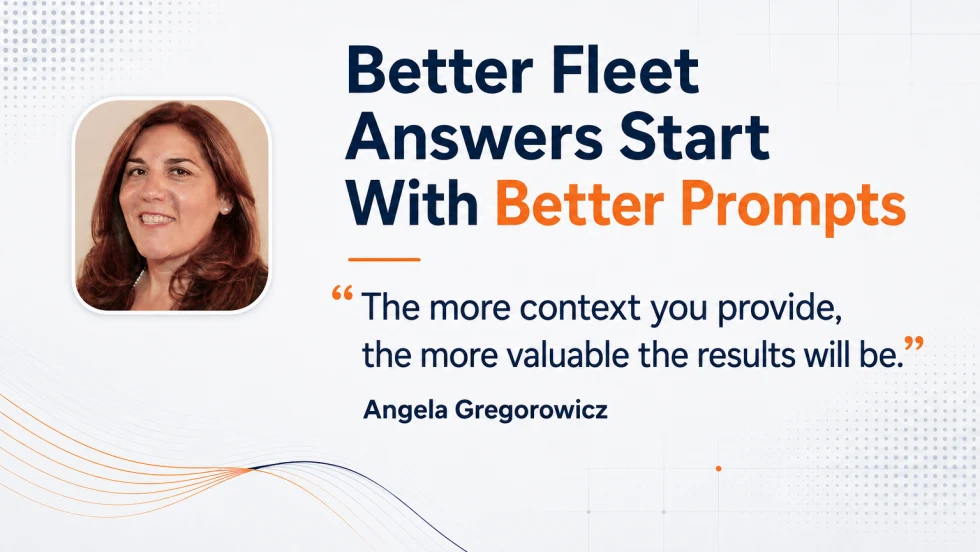
How to Write Better AI Prompts for Fleet Analysis
Include these six elements in your fleet prompts to generate more relevant analysis and accurate answers.
Read More →
Fleet Meets: Eric Kilgore
This edition of the Fleet Meets series features one of the industry's best leaders driving multi-market and national operations.
Read More →
Why Reactive Fleet Management Is Becoming Too Expensive to Sustain
Research highlights a growing need for proactive management strategies to address rising costs in fleet operations effectively.
Read More →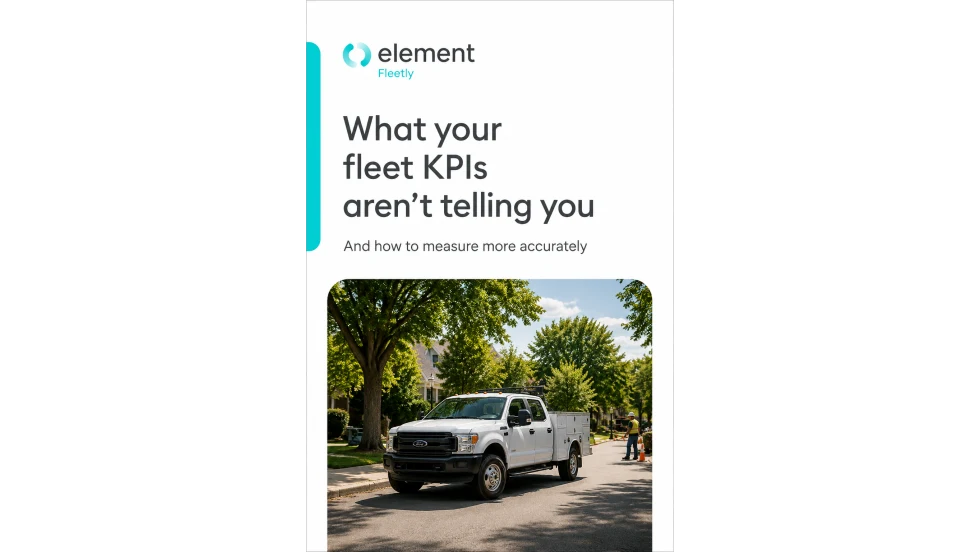
What Your Fleet KPIs Aren’t Telling You
Tracking fleet metrics is only useful when the data leads to better decisions. This guide helps fleet leaders assess cost, utilization, and downtime more accurately, identify performance gaps, and prioritize the actions that can improve operational results.
Read More →
Hidden in Plain Sight: Fleet Compliance Risks
Fleet compliance isn't just about having policies — it's about consistently enforcing them. This practical guide reveals six hidden compliance risks common in public sector and shared fleet operations and outlines proven strategies to improve visibility, accountability, and audit readiness
Read More →
Turning Fleet Payment Data into Executive Insights
Does data alone drive results in operations?
Read More →