




Ed Bobit: There's Good News for Fleets (Finally)
"Within a matter of months, Toyota will consistently be selling more cars in this country than any other brand."

"The new vehicles are going to he Ford's first reed stab at the mid-size car segment in a long time."-Mike Wall, industry analyst for IRN, Inc.
"It's a segment where we have lost, ground in recent years but it's exactly were we intend to make our stand - beginning now."-Bob Lutz. chairman of GM North America & vice-chairman for product development
"You could say we took our eye off the ball."-Richard Schaum, top engineer & head of car development at DCX's Chrysler group
For the record, it's been consistent since 1903; either Ford Motor Co. or GM's Chevrolet Division has laid claim as being the best-selling car brand in the U.S.
So, you say, "Why is this significant?"
The answer came last month from Tom Libby, an analyst with J.D. Power & Associates. Based on registration of brands' sales histories since 1990, he stated that "Within a matter of months, Toyota will consistently be selling more cars in this country than any other brand."
U.S. automakers still dominate the truck market, but cars made by Toyota are outselling those made by Chevrolet this year and are poised to overtake Ford cars in the first quarter of 2003, USA Today reported.
A little research shows that the mid-size market is where the abnormally high volume is recorded for car sales. In fact, it is also the core high volume for fleet sales as well.
In the 2001-model year mid-size cars registered 1,900,000 retail and nearly 690,000 were to fleets for a 26.6 percent fleet share of market. Interestingly, about 73 percent of the fleet registrations were recorded by the three domestics collectively. Compare this with the domestics only getting 33 percent of the retail mid-size market.
Since then, GM has held pretty firmly just under 30 percent overall (down from 40 percent ten years ago) but the other domestics have slipped some. It's been an awesome wakeup call. And good news for fleet buyers.
GM plans to introduce 10 new or redesigned mid-sized cars through 2005. This includes new versions of the Chevy Malibu, Pontiac Grand Am (plus a convertible) and Grand Prix, and Buick Regal. Bob Lutz stated, "We're going to bring that same focus and determination to the car side that GM brought to light trucks."
In early December, Ford announced that the successful Taurus would not be "solely a fleet car" and would remain in production at least into the '07 model year. Two weeks later Ford apparently "got a better idea" (remember that slogan?).
Ford will remain competitive building a brand new mid-size car off the Mazda6 *** chassis and plans to have the front-wheel drive car on your selector lists by mid-decade.
Not to be outdone, DCX's president, Dieter Zetsche, outlined his company's plans for a 2004 calendar year Dodge LX and Chrysler LX; sedans with rear-wheel drive.
No one wants to give up on this market although it has been heavily ignored for some years. What's more good news for fleet buyers? These will be exciting all-new products that will please your drivers with an even wider selection. It'll mean higher resale values because retail buyers will be in line.
All this in less than two years' time. Stay tuned.
More Operations
How to Manage Conflict for Your Fleet Operations
Conflict management is becoming a core leadership skill. Here are five strategies fleet leaders should know.
Read More →
Turning Connected Vehicle Data Into Decisions That Matter
Fleet leaders have more data than ever, but turning that data into clear, actionable decisions remains a challenge. This white paper shows how leading organizations are using connected vehicle data to improve safety, reduce costs, and optimize fleet performance. Learn how to turn insight into action across your fleet.
Read More →
Cameras, Safety and Insurance: From Reactive Claims to Real-time Prevention
Commercial auto remains one of the most challenging and costly lines of coverage for fleet operators and insurers alike. Learn more about how to effectively address these issues from Onur Aksan, Enterprise Business Development Executive, Geotab.
Read More →

Are You Tracking Your Fleet's True Total Cost of Ownership?
Bobit Business Media surveyed 190 fleet professionals and found that while most fleets are tracking costs, fragmented systems and data gaps are keeping true TCO visibility out of reach. With rising pressure to control spend in an increasingly volatile environment, the gap between what fleets think they know and what the data actually shows is wider than you might expect. See how your peers are managing costs today and where the industry still has room to improve.
Read More →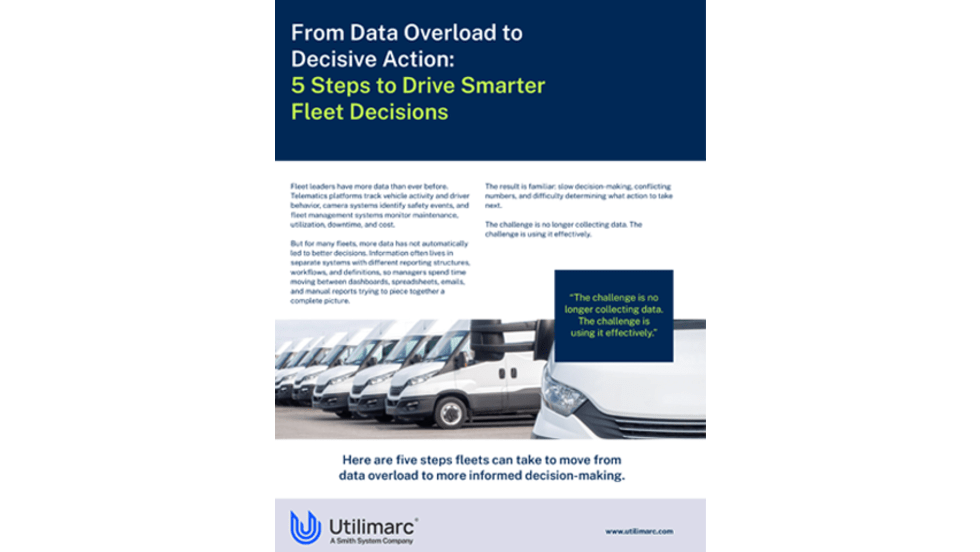
Turn Fleet Data Into Smarter Decisions
Fleet leaders have access to more operational data than ever, but disconnected systems and unclear metrics often slow decision-making instead of improving it. This article outlines five practical steps fleets can take to transform fragmented data into actionable insights that improve planning, safety, utilization, and long-term performance.
Read More →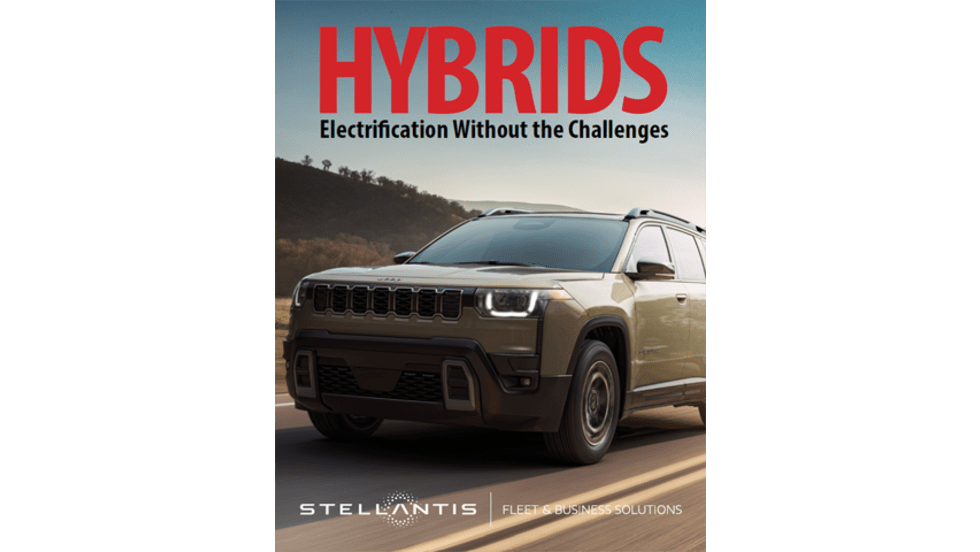
Hybrids: Electrification Without the Challenges
For fleet managers, fuel is one of the biggest line items in the budget — and it's one hybrids can shrink without changing how your people work. Download the eBook to see the numbers, understand the technology, and get a step-by-step guide to making the switch.
Read More →
How NOV Uses Telematics to Improve Fleet Safety Across 160 Locations
James Victory of NOV discusses how the company manages fleet safety, maintenance, and telematics across more than 150 locations supporting oilfield operations throughout the U.S.
Read More →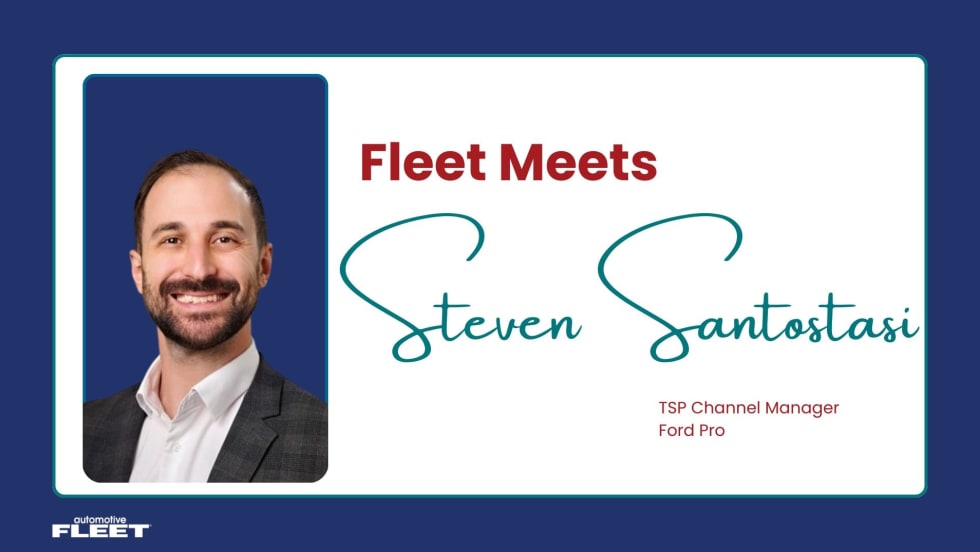
Fleet Meets: Steven Santostasi
This edition of the Fleet Meets series features Steven Santostasi, the current TSP channel manager for Ford Pro.
Read More →
Why Fleet Managers Are Replacing Departmental Vehicles with Shared Motor Pools
Departmentally assigned vehicles often create hidden costs through underutilization, poor visibility, and increased administrative burden. This white paper explores how shared motor pool strategies help fleets reduce costs, improve accountability, and optimize vehicle utilization.
Read More →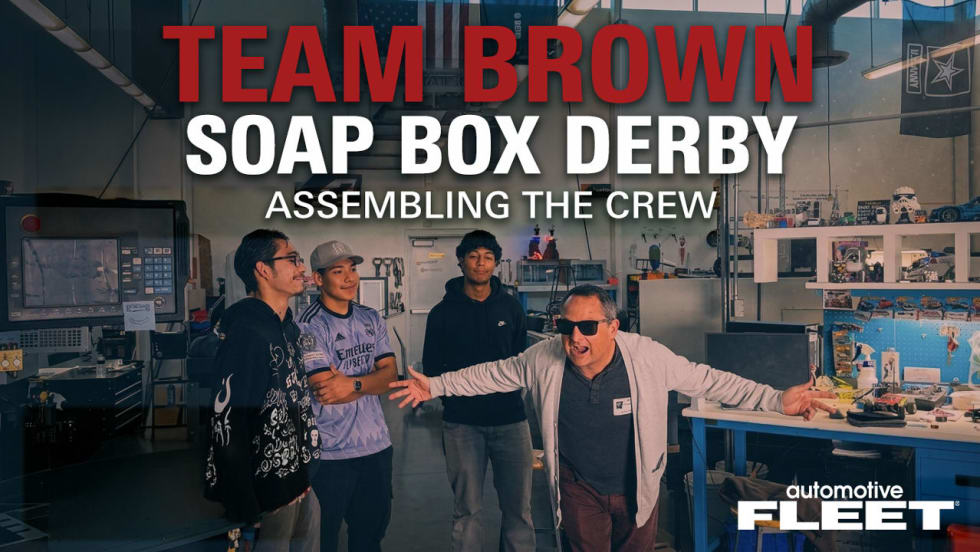
Soap Box Derby Challenge: Assembling the Crew
Meet Gabriel, Matthew, and Angel — the team helping bring this soap box derby build to life.
Read More →