




Ed Bobit: Say It Isn't So ...
The dichotomy exists because, at times, it is difficult to fully understand why our nation's leading fleet managers represent themselves as mid-level executives who base their decisions on totally rational data (if you listen to them carefully).

Anybody who goes to see a psychiatrist ought to have his head examined. -Samuel Goldwyn
A psychiatrist is a man who goes to the Folies-Bergere andlooks at the audience. -Mervyn Stockwood
She was "honeychile," in New Orleans; the hottest of the bunch. But on the old expense account. She was gas, cigars, and lunch. - Anonmyous
The diversity of my choice of quotes this month is deliberate. They range from medical menial analysis to the oldest professional service since the beginning of time.
The dichotomy exists because, at times, it is difficult to fully understand why our nation's leading fleet managers represent themselves as mid-level executives who base their decisions on totally rational data (if you listen to them carefully). Yet in real life, there is ample cause to question their motives - though few people publicly express this view. Privately many do.
Let me hasten to state (or re-state) that I've consistently been one of the strongest supporters of fleet managers and their lot in life, which rarely offers them the focus of a corporate spotlight, even though it may be well deserved.
Recently, though, we contacted several readers who control larger fleets (names you'd undoubtedly recognize). We wanted to develop an objective evaluation of the '94 factory fleet incentives, compared with the '93 model incentives.
The results of our search were most disappointing. Numerous contacts adroitly came up with reason why they were not the right people to talk to for this analysis. High on the list of reasons for deterring was, "I don't buy any X-brand (domestic factory) cars, so I'm not familiar with their program." In response, I asked myself. "How can you he rational and objective in evaluating your purchase and selection process without carefully studying all the programs?"
Still others claimed that pricing wasn't yet announced, so they couldn't make a fair comparison. To which I thought: These same fleet managers are the ones who proclaim the importance of ordering early (sometimes to catch extra incentives) - and of recycling replacement cars as early in the model year as possible. How do you figure it?
We faced similarly "'suspect" responses when we asked for the true reasons for dualing lessors. Any number of fleet managers now are touting the value of Lifecycle Costs, but it is extremely interesting to note that some of these same people either build the data uniquely to induce a biased outcome or do not conduct the evaluation on all makes. A few I have run into don't adhere to the Lifecycle Cost report when actual purchases are made. But when was the last time you heard of a fleet manager who didn't think that he or she excelled at vehicle purchasing?
Even the lessors aren't immune to this virus. Curiously, if you look at our "Lessor Recommendation Guide & Analysis of 1994 Cars" in the August issue, among the sub-compacts recommended by the top 15 management firms, only one makes all the lists. Yet, if you study the accompanying charts, you'll find that this most popular model only ranks in the middle of the pack for operating cost and cargo-carrying capacity - and very low on the fuel economy chart.
Decisions obviously are made on what might be termed '"hidden value."
Or, just maybe, people like to buy from people they like. Period.
More Operations
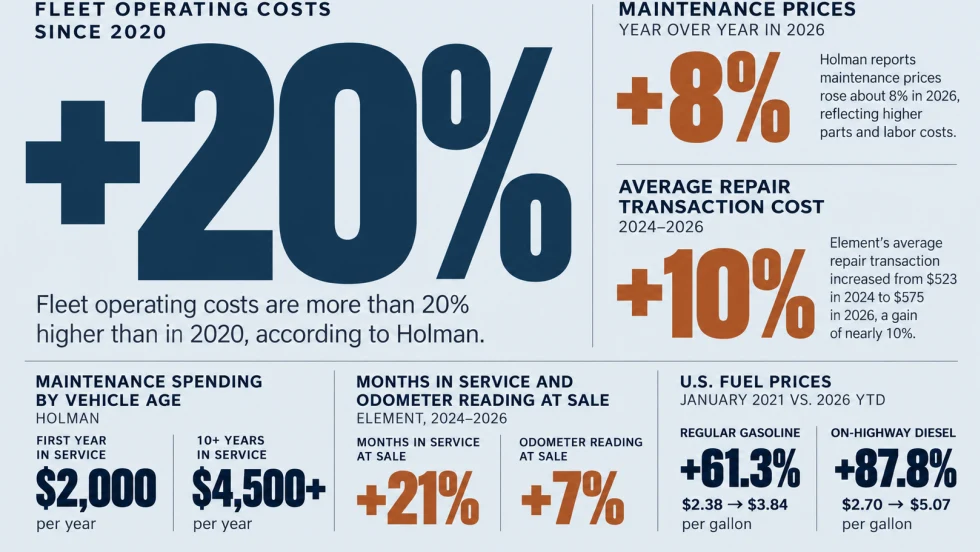
Managing Fleet Costs in an Era of Permanent Volatility
Fleet operating costs have risen more than 20% since 2020, raising a key question: When does extending a vehicle's service life stop making financial sense?
Read More →
The Next Evolution of Fleet Management: Autonomous Operations
This opening keynote session at the Fleet Forward Conference highlights the future of autonomous driving for fleets.
Read More →
How to Reduce the Total Cost of Risk From Catalytic Converter Theft
A stolen catalytic converter can cost fleets far more in downtime and lost productivity than in repairs. A total-cost-of-risk approach can help fleet managers quantify their exposure and prioritize theft prevention.
Read More →

Personal-Use Charges Rise as Vehicle Values Fall | AF News Recap
Personal-use charges are climbing, wholesale used-vehicle values are declining, and commercial fleet sales growth is slowing. This week, we're breaking down the latest fleet data, plus how Element Fleet Management is helping Waymo prepare for its first Canadian robotaxi market.
Read More →
Here's When You Should Make an Exception to Fleet Policy
Fleet policies are designed to create consistency, but not every driver or situation fits neatly within standard rules.
Read More →
AI-Native or AI-Acquired: What Should Fleet Managers Look for in an AI Platform?
Six questions can help fleet managers look beyond AI marketing claims to evaluate integration, data access, and real-world operational performance.
Read More →
A buyer's guide to fleet management software in 2027
Buying fleet management software in 2027 means looking beyond features and price. As fleet operations, technology and expectations evolve, this guide explores what today’s fleet professionals should consider when choosing a system that can deliver value now and adapt to what comes next.
Read More →
What Will Shape the Next Era of Fleet Management?
EVs, AI, and autonomous vehicles are reshaping fleet management. Discover what’s ahead—and how fleet leaders can prepare for the next era.
Read More →
How Fleets Can Recruit and Train Veterans for Technician Roles
Here's how the technician shortage has affected uptime for fleets, and what to do about it.
Read More →
Avis Budget Group Deploys Neology Toll Management Technology Across Major Brands
Neology’s neoFleet platform will manage toll transactions and toll-authority operations for vehicles across Avis, Budget, Payless, Budget Truck and Zipcar.
Read More →