




Ed Bobit: "I'm Not Going to Take it Anymore..."
A five-year study of the American work force has come up with findings that most working people already know too well. Many don't have enough time with their families, feel burned out at the end of the day, and have a fear of losing their job. Fifteen companies commissioned a study by the Families and Work Institute to ferret out the feelings of 3,381 workers nationwide.

A five-year study of the American work force has come up with findings that most working people already know too well. Many don't have enough time with their families, feel burned out at the end of the day, and have a fear of losing their job. Fifteen companies commissioned a study by the Families and Work Institute to ferret out the feelings of 3,381 workers nationwide.
There's something almost sinister finding out that 42 percent feel '"used up" by the end of their workday: and another 20 percent live in fear of being laid off or fired.
For generations our society has been an upbeat one with a cheerful "can do" spirit. It's a country where the immigrant or migrant worker can aspire and attain riches and success through ingenuity and hard work. America has sustained that mystical mountain top culture where anyone with cunning and work ethic can believably reach.
Cheer and happiness abound; it's reflected in comedy sitcoms, our music, and the waitress proclaiming, "Have a good day." Orthodontists flourish because everyone wears a smile.
Actually that was a while ago. Under the guise of world competitiveness, our culture is being transformed into a corporate, society of undermanned and overworked individuals who are not confident with their future. The new buzzwords appear overnight: downsizing, flattening, transparent qualities, seamless organization, and many more. All for payment of shareholder equities and the obsession for respectable profitability. Corporate America is driving in some direction with fewer people accomplishing more productive tasks with training that prepares for yet another reduction in personnel, yet with expectations of greater revenues and profits.
Some say the buyers notice the difference. While there may be new nomenclature for service, some of the companies are losing touch. The computers generate everything from reminders to billing in a very clinical manner. Software never gets it all quite right. Trying to reach a person by phone carries you through a labyrinth of instructions, voice mail, or to that ubiquitous assistant who is seldom there when you are encountering a crisis.
Do they care? Of course they care. But the human element is losing out. It's too expensive for that direct contact. And they often won't encourage you to elect to pay for it because raising your cost will make them even more vulnerable to a competitive quote.
It's obvious that some people simply can't or don't want to live with the pace demanded. How many of your own friends grouse about new procedures and technologies that require change? How many are now talking about an early retirement? How many conform to new regimen because they simply need the income and can't move in a tight job market? These are not happy campers, productive employees, or team players.
The "good old days" (savor the memories) probably won't be returning soon. Each of us has to make that full mental adjustment in attitude and goal setting to rise above those that can't or won't do it. The customer is still the king and service with personalized effort will eventually win over the pure financial marketing objective of your competitors.
There's still reward and fun to be had if we achieve success for ourselves; and not much room for the feint of heart.
More Operations
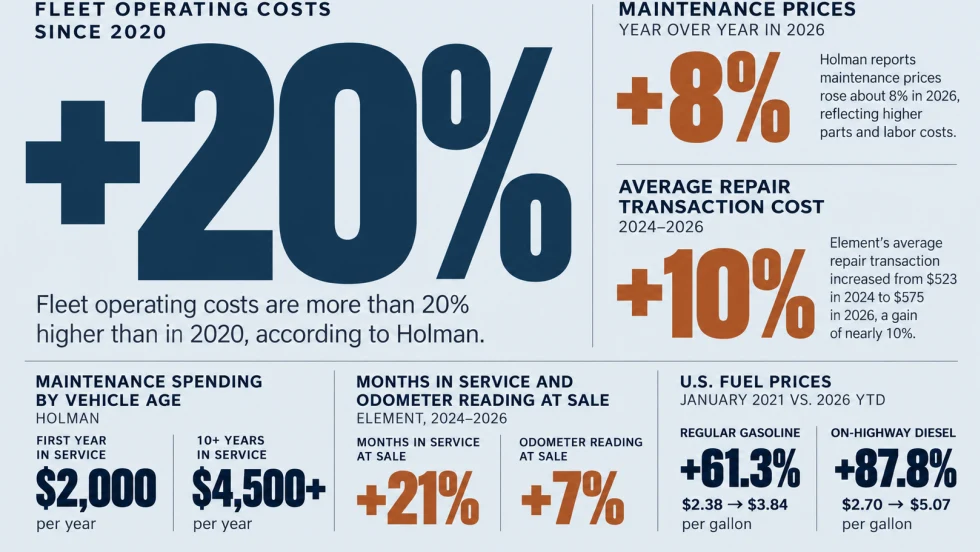
Managing Fleet Costs in an Era of Permanent Volatility
Fleet operating costs have risen more than 20% since 2020, raising a key question: When does extending a vehicle's service life stop making financial sense?
Read More →
The Next Evolution of Fleet Management: Autonomous Operations
This opening keynote session at the Fleet Forward Conference highlights the future of autonomous driving for fleets.
Read More →
How to Reduce the Total Cost of Risk From Catalytic Converter Theft
A stolen catalytic converter can cost fleets far more in downtime and lost productivity than in repairs. A total-cost-of-risk approach can help fleet managers quantify their exposure and prioritize theft prevention.
Read More →

Personal-Use Charges Rise as Vehicle Values Fall | AF News Recap
Personal-use charges are climbing, wholesale used-vehicle values are declining, and commercial fleet sales growth is slowing. This week, we're breaking down the latest fleet data, plus how Element Fleet Management is helping Waymo prepare for its first Canadian robotaxi market.
Read More →
Here's When You Should Make an Exception to Fleet Policy
Fleet policies are designed to create consistency, but not every driver or situation fits neatly within standard rules.
Read More →
AI-Native or AI-Acquired: What Should Fleet Managers Look for in an AI Platform?
Six questions can help fleet managers look beyond AI marketing claims to evaluate integration, data access, and real-world operational performance.
Read More →
A buyer's guide to fleet management software in 2027
Buying fleet management software in 2027 means looking beyond features and price. As fleet operations, technology and expectations evolve, this guide explores what today’s fleet professionals should consider when choosing a system that can deliver value now and adapt to what comes next.
Read More →
What Will Shape the Next Era of Fleet Management?
EVs, AI, and autonomous vehicles are reshaping fleet management. Discover what’s ahead—and how fleet leaders can prepare for the next era.
Read More →
How Fleets Can Recruit and Train Veterans for Technician Roles
Here's how the technician shortage has affected uptime for fleets, and what to do about it.
Read More →
Avis Budget Group Deploys Neology Toll Management Technology Across Major Brands
Neology’s neoFleet platform will manage toll transactions and toll-authority operations for vehicles across Avis, Budget, Payless, Budget Truck and Zipcar.
Read More →