




Ed Bobit: Future Role of Fleet Management
Moving the traditional fleet management function outside the company is really delegating the "responsibility" to a third party who is at a disadvantage in not being a part of a firm' s corporate culture, its strategic objectives, nor can provide the same degree of involvement as a hands-on fleet manager.

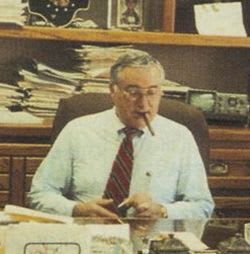
Ed Bobit at his desk, 1990
Here are same key excerpts from my remarks at the recent NAFA Annual Conference in Houston.
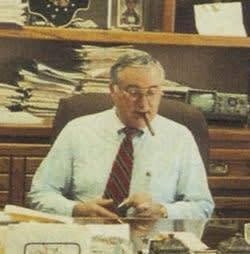
Ed Bobit at his desk, 1990
For 29 years Automotive Fleet has been championing the strength, dignity, and vital role of fleet managers and their quest for truly professional fleet management. The fleet management field includes over 3,000 full-time fleet managers and more than 12.000 part-time managers who perform this function in addition to other assignments.
The real question may be, "Who can do what best; and be cost-effective? Moving the traditional fleet management function outside the company is really delegating the "responsibility" to a third party who is at a disadvantage in not being a part of a firm' s corporate culture, its strategic objectives, nor can provide the same degree of involvement as a hands-on fleet manager.
Leasing originally emerged as a source for funding vehicles and assets. Since that time, and balanced between need and opportunity, the country's leading lessors have now-developed a myriad of outside services. Today's question is not "lease vs. own," but rather who should be managing what and how? Who can do the best job when taking into consideration the operational, financial, organizational, and behavioral factors involved in managing the company fleet?
The use of leasing to fund vehicles has been perceived as "losing power" and "shifting control" of fleet costs and management. This is especially so if lessor "management contracts" are employed for the purchase and disposal (P&D) functions. Today, we need to perceive the lessor as a welcomed partner which is the role of any vital supplier. We in the publishing business never give a second thought to engaging printers and few publishers actually operate printing presses. It is the responsibility and opportunity of business management to evaluate any inside support function for value when comparing an outside source.
Fleet management involves key functions which begin with vehicle ordering and end when the last accounting entry is made. Some would argue that there is no such thing as "total fleet management" unless the lessor or service company actually "moves in" with the company and has a representative on site, i.e., a "Rent-A-Fleet-Manager" or "Fleet Temp." The key issue may be "attention to detail"; here is where money is saved, economies produced, and drivers made productive.
Many argue that lessors cannot possibly substitute that function which requires a fleet manager who has developed an intensive knowledge of how their company operates, what its priorities are, how one department interacts with another, and, most especially, how their decisions or recommendations impact their company's overall mission, in addition to understanding and implementing cost/benefit relationships between the company and driver through the establishment of strategic policies. Lastly, fleet managers also should be willing to challenge all suppliers to develop programs which are designed to meet the needs of their company's productivity requirements. Some current fleet managers may measure up to meet this job description. Those who do not are sure to be threatened by what may be called substitute administration or management from the outside.
We are too familiar with the displacement of the fleet manager function, as we know it, at Solo Cup, Canteen, Colgate, Honeywell, Kodak, Avon, and other companies. Interestingly, lessors did not cause all these moves; it came from company vigilance in most cases. As one of the aforementioned company execs stated. "We've got 8,000 cars and a 21-person fleet department; we just made it a two-person department." If the fleet managers "goes," then the function or responsibility should go "up" the company organization chart; but can senior management really keep a handle on it all?
The truly professional manager of a company-owned fleet is not so easily threatened. The leased fleet manager must innovate and find cost-savings and relate those successes to executive management. Maintaining intelligent control will force the fleet manager function up, not out. The fleet manager has the opportunity to play this vital role even with the stronger influence of fleet lessors.
More Operations

Top 50 Executive Fleets
It is that time of year again! Time for the 2026 list of the Top 50 Executive Fleets, presented by Automotive Fleet and Volvo as part of its annual Fleet 500. Download now to see this year's list of companies!
Read More →
Gary Van Orden Retires After Nearly Four Decades in Commercial Fleet
From answering customer calls at Ford Motor Company to leading fleet sales across multiple OEMs and a fleet management company, Gary Van Orden's career reflects nearly four decades of leadership in commercial fleet.
Read More →
How Stellantis Plans to Get Ahead of Fleet Downtime
Vehicle acquisition may grab the headlines, but fleet uptime increasingly determines operating success. Darren Bradshaw of Mopar North America gives the details.
Read More →
Hyundai Releases 2027 Commercial Program Incentives
The 2027 Model Year "Fleet Street Incentives" are available to commercial and government fleets.
Read More →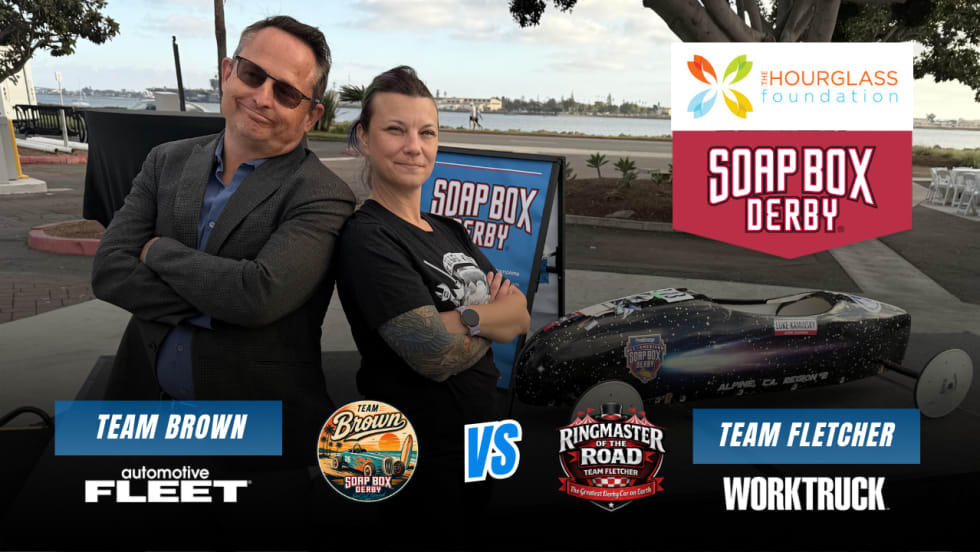
It's All Downhill from Here! Fleet Industry Raises $22,000 for Skilled Trades Scholarships
Work Truck’s Lauren Fletcher and Automotive Fleet’s Chris Brown turned a friendly racing rivalry into $22,000 for automotive technology and skilled trades scholarships.
Read More →
The Top 300 Commercial Fleets
The Top 300 Commercial Fleets: See the List
Read More →
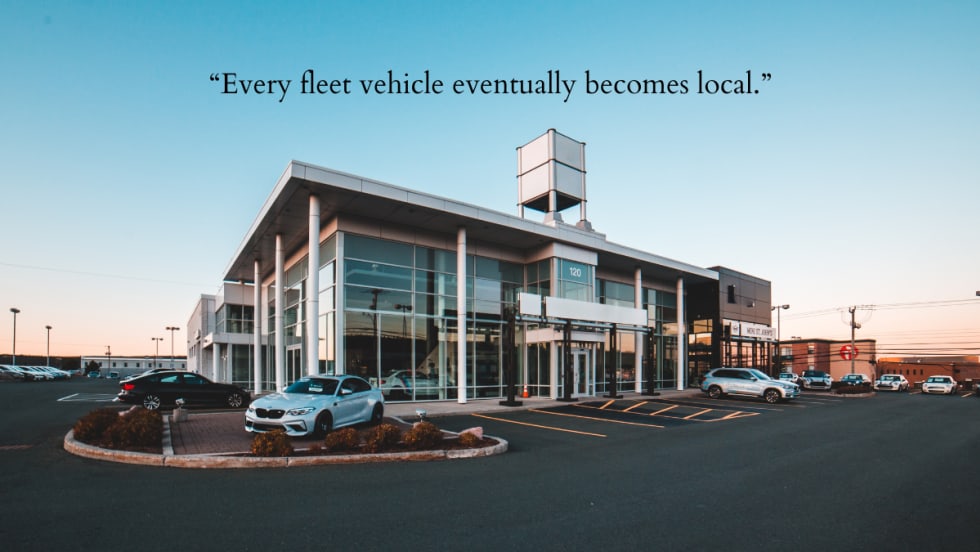
Your Local Dealer Knows More Than You Think
Your local dealer can provide an information advantage that extends well beyond courtesy deliveries.
Read More →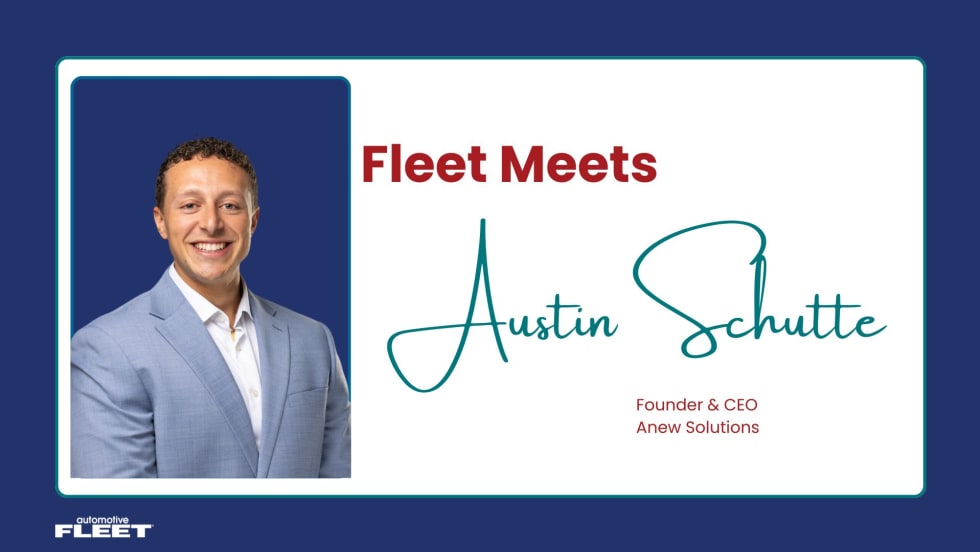
Fleet Meets: Austin Schutte
Here are some industry insights, personal touches, and words of advice from the CEO and Founder of Anew Solutions.
Read More →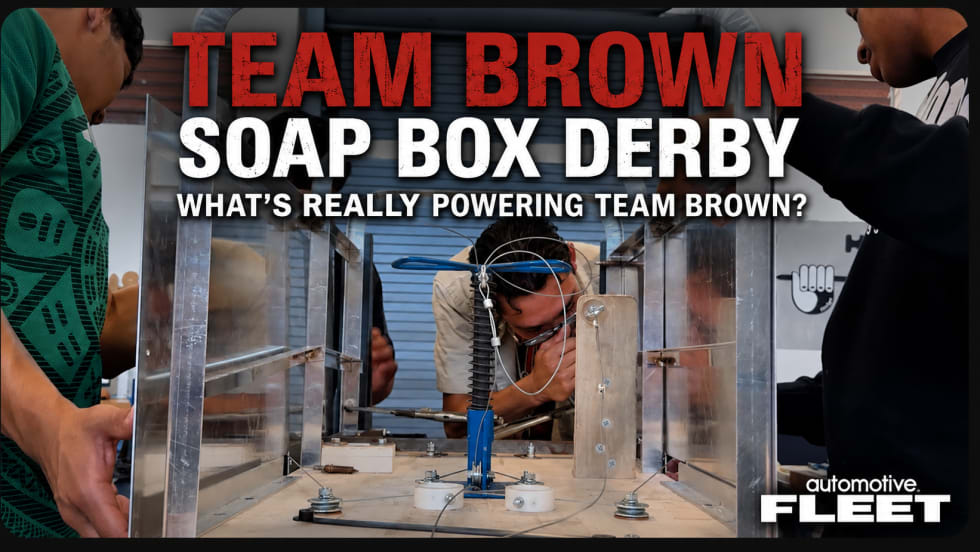
Soap Box Derby Challenge: What’s Powering Team Brown
The car is coming together, the students are solving real build problems, and the fleet industry is helping push Team Brown toward the starting line.
Read More →