




Ed Bobit: Dog Days...?
It is apparent to me that the condition of the industry is anything but static.


Ed Bobit at his desk, 1990
Think like a man of action, act like a man of thought.-Henri Bergson
When you see a snake, never mind where he came from.-W.G. Benham
Miss Stein was a past master in making nothing happen very slowly.-Clifton Fadiman
In the country of the blind the one-eyed king can still goof up.-Laurence J. Peter
After attending the Houston NAFA Conference in April, I was prepared to begin the summer months lulled into complacency after listening to the expressions from many of the industry's fleet managers and marketing leaders that there just "wasn't much going on."

Ed Bobit at his desk, 1990
However, as of this writing in mid-June, it is apparent to me that the condition of the industry is anything but static. If you reflect for a moment, the fleet market could be equated to the sensational book I just finished, Barbarians at the Gate (the dynamic and almost unbelievable story of the LBO of RJR Nabisco), with a flurry of significant changes affecting us all seeming to be occurring at an accelerated rate.
While still digesting the large acquisition of McCullagh Leasing only a few months ago, GEC Fleet Services is now on a course of adding Leaseway of Puerto Rico with close to 9,000 vehicles under lease and some 1,100 in daily rental. GE was also first in the door when Xerox quietly sent out financial feelers for their Financial Services Division which, of course, includes LMV Leasing with close to 50.000 units in their portfolio. Both LMV and the Financial Services Division overall are right down GE's acquisition alley.
Another relatively quiet transaction was Atlanta's Lease Plan USA acquiring the 8,000 vehicles from Miami-based Ryder Fleet Management. The big get larger and the beat goes on.
On the heels of Mitsubishi buying Value Rent-A-Car with its 25,000 vehicles we see that Chrysler still has an appetite beyond its present stable of Thrifty and Snappy by finally negotiating a purchase of Dollar Rent A Car wrested from rental veteran H.J. Caruso, who is operating some 50,000 to 60,000 vehicles". Other import makers are also evaluating what options are left to ensure distribution of product. There really has not been a dull moment.
Maybe the loudest noise came out of Detroit during this "slow" period. Led by GM and matched by Ford, the daily rental companies now have programs with 100 percent repurchase. Yes. the Tonkins and Mullanes of our industry can now take heart; the remarketing functions at the majors will slowly diminish and may actually disappear permitting the GM and Ford dealers to fill in their own used car lots with little or no competition from rent-a-car companies. Some have intimated that GM has privately indicated a dedication to the 100 percent buyback for a number of years which should encourage major rent-a-car companies to close their remarketing programs. The bold GM move is a costly one to be sure. Industry observers indicate a staggering sum on top of what has been considered "expensive" to all makers. Some see that the import carmakers may not be able to justify the investment to remain competitive with the GM-type programs. GM could possibly double its rent-a-car penetration and markedly move up its market share overall.
Now, just exactly who was it who said there wasn't much happening...?
More Operations

Gary Van Orden Retires After Nearly Four Decades in Commercial Fleet
From answering customer calls at Ford Motor Company to leading fleet sales across multiple OEMs and a fleet management company, Gary Van Orden's career reflects nearly four decades of leadership in commercial fleet.
Read More →
How Stellantis Plans to Get Ahead of Fleet Downtime
Vehicle acquisition may grab the headlines, but fleet uptime increasingly determines operating success. Darren Bradshaw of Mopar North America gives the details.
Read More →
Hyundai Releases 2027 Commercial Program Incentives
The 2027 Model Year "Fleet Street Incentives" are available to commercial and government fleets.
Read More →

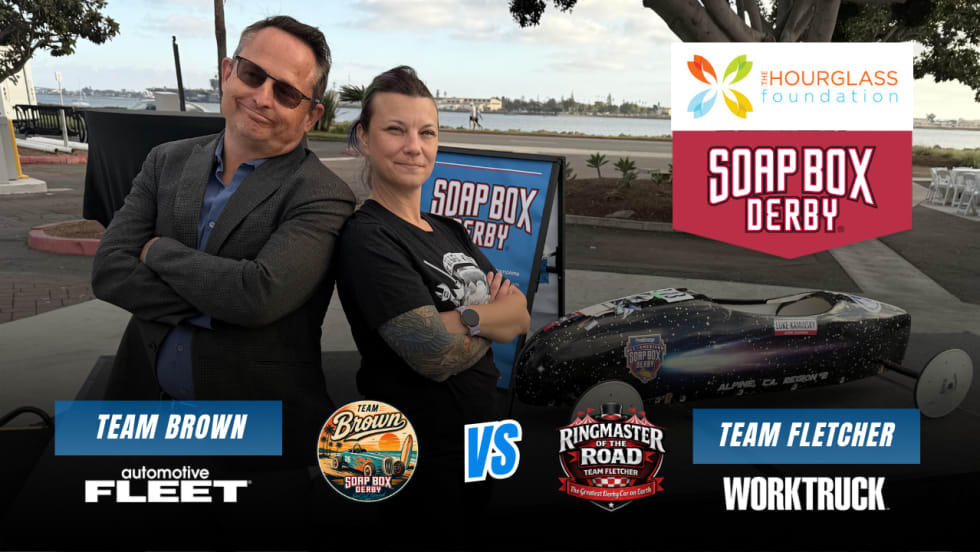
It's All Downhill from Here! Fleet Industry Raises $22,000 for Skilled Trades Scholarships
Work Truck’s Lauren Fletcher and Automotive Fleet’s Chris Brown turned a friendly racing rivalry into $22,000 for automotive technology and skilled trades scholarships.
Read More →
The Top 300 Commercial Fleets
The Top 300 Commercial Fleets: See the List
Read More →
Your Local Dealer Knows More Than You Think
Your local dealer can provide an information advantage that extends well beyond courtesy deliveries.
Read More →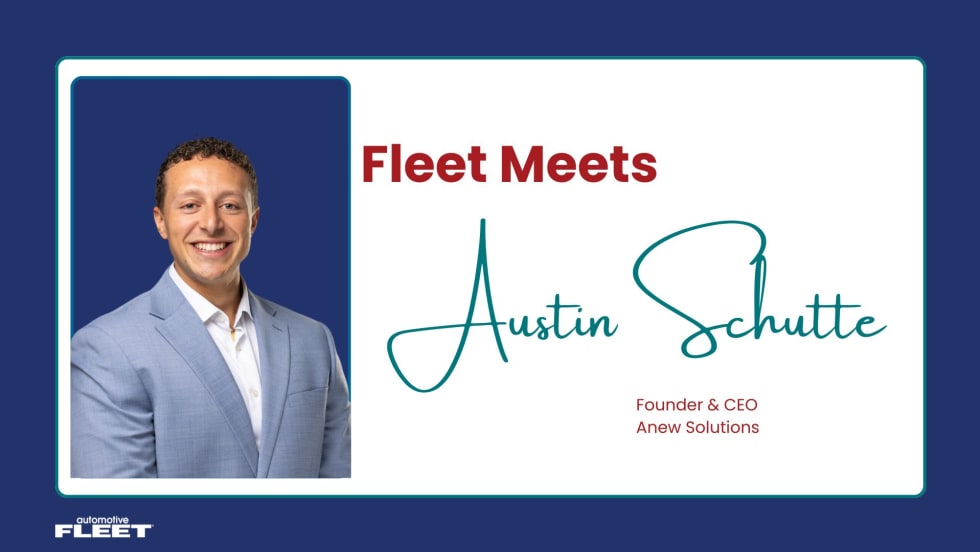
Fleet Meets: Austin Schutte
Here are some industry insights, personal touches, and words of advice from the CEO and Founder of Anew Solutions.
Read More →
Soap Box Derby Challenge: What’s Powering Team Brown
The car is coming together, the students are solving real build problems, and the fleet industry is helping push Team Brown toward the starting line.
Read More →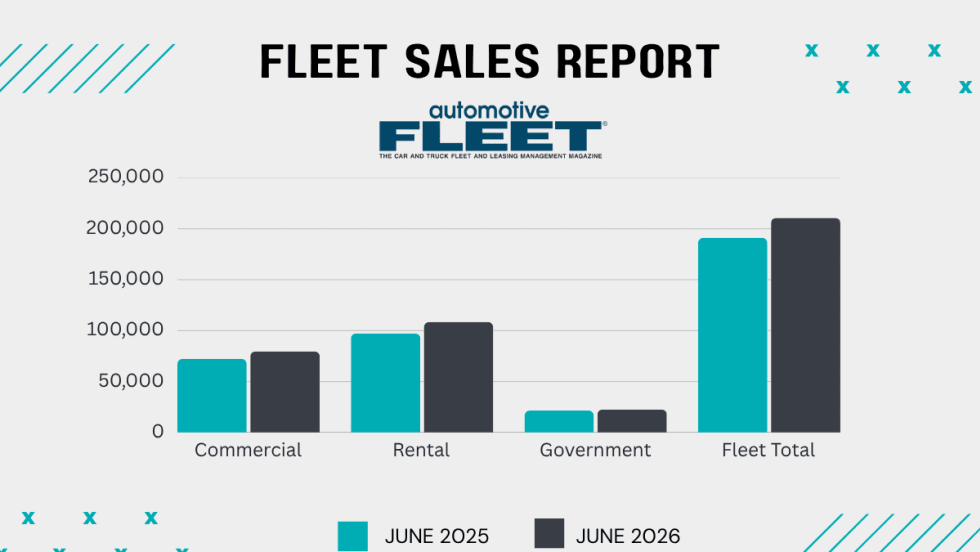
Commercial Fleet Sales Contribute To June, YTD Gains
The fleet sector has boosted its vehicle purchases at a reliable pace in the first half of this year compared with 1H 2025.
Read More →