




Ed Bobit: Benefit From a Gift of Insight
The many complexities of technology (electronic communication, etc.), success demands that one-on-one, face-to-face calls be made for effective selling, installation, and service priorities. Automation in key areas is not an end-all substitute.


Ed Bobit
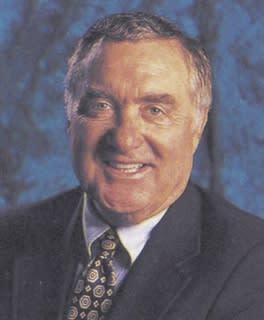
In our industry we are blessed with a few gifted leaders who are both professional and knowledgeable in every sense. I was reminded of this recently at the Automotive Fleet and Leasing Association meeting in Chicago when Jim Frank, Wheels' president, delivered a most provocative presentation.
While I was taking copious notes, as many others were, it became evident that his insightful remarks on where we are today and what we can look for in the future should be shared. Since he did not have a text and didn't use visuals, I'll try to do justice to accuracy and the impact his words had on a very attentive audience.
1. The good news is that in spite of corporate downsizing and M&As, sales and service-type fleets are solidly here to stay. There is good reason to believe they will actually expand.
Why? Because of the many complexities of technology (electronic communication, etc.), success demands that one-on-one, face-to-face calls be made for effective selling, installation, and service priorities. Automation in key areas is not an end-all substitute.
2. Inflation is under control by the Fed and also Corporate America is conducting business globally. International competition forces all countries to a value level to be effective in trading.
Pressure will be created for deflation as increased productivity equates to lower pricing. If companies cannot count on inflation for more dollars and wealth, they must develop more value to remain viable.
3. The escalation to improve is, and will continue to be, relentless. This is motivated by both stiffer domestic, but more importantly, international competition. All of us recall the '80s when the companies that were not efficient became vulnerable for takeovers. Now, the wisdom in management is to maximize utilization of human resources.
4. Funding - The innate nature of vehicle asset value and sales helps lessors to be competitive in the spectrum of the financial markets.
Superior Quality - Consistently a necessity in all products and services.
Fleet Management - Basically equates to 'automotive' in all aspects.
Alternatives - It is important to be conscious that fleet accounts have open options; i.e., reimbursement, company ownership, tighter eligibility, or combinations
Bottom Line - With technological improvements in services, the current key challenge is the vehicle driver and his or her productivity. While the obvious benefits are increased value to the employer and the gains from less downtime, there are other vital considerations. They include the driver's morale and enthusiasm and employee retention. These latter points support increased productivity and additional value to the individuals as well.
5. Manufacturers - Key implications for the future are clear. If they cannot compete in product and quality they must turn to designing and producing the 'right' product for fleet applications. In addition, they need to focus on non-product planning; i.e., dependable delivery time, which translates into added value and more effective amortization.
6. Fleet Managers - There is a strong need for a competent fleet manager at all major fleets; with good reasons why.
So they can identify the best suppliers.
Managing the outsource relationship to make the supplier even better.
Knowing and translating corporate goals.
Implementing the best programs developed internally and externally.
Frank also distinguished efforts in the fleet manager's role:
Efficiency - Doing the 'right' thing.
Effectiveness - Doing the 'right' thing at the 'right' time.
Summing the above recently, Dennis LaLiberty, VP - marketing at Wheels, is quoted as stating: "What companies like Wheels provide is input, a sounding board, recommendations. But at the end of the day, somebody at the company has to decide this is good for us or this is not. They can't abdicate the management of the fleet entirely; they can only off-load administration and execution to a company they've chosen to perform that service for them."
7. Fleet Management Companies - Their mission statement should read simply to provide the products, tools, and services that accounts need; no more, no less.
In summation, Frank has given us all a gifted insight about our future as well as a keen analysis of where we are today. His knowledge and articulation should be most helpful to all, plus quelling lingering anxieties among us.
More Operations
Here's When You Should Make an Exception to Fleet Policy
Fleet policies are designed to create consistency, but not every driver or situation fits neatly within standard rules.
Read More →
AI-Native or AI-Acquired: What Should Fleet Managers Look for in an AI Platform?
Six questions can help fleet managers look beyond AI marketing claims to evaluate integration, data access, and real-world operational performance.
Read More →
A buyer's guide to fleet management software in 2027
Buying fleet management software in 2027 means looking beyond features and price. As fleet operations, technology and expectations evolve, this guide explores what today’s fleet professionals should consider when choosing a system that can deliver value now and adapt to what comes next.
Read More →

What Will Shape the Next Era of Fleet Management?
EVs, AI, and autonomous vehicles are reshaping fleet management. Discover what’s ahead—and how fleet leaders can prepare for the next era.
Read More →
How Fleets Can Recruit and Train Veterans for Technician Roles
Here's how the technician shortage has affected uptime for fleets, and what to do about it.
Read More →
Avis Budget Group Deploys Neology Toll Management Technology Across Major Brands
Neology’s neoFleet platform will manage toll transactions and toll-authority operations for vehicles across Avis, Budget, Payless, Budget Truck and Zipcar.
Read More →
Fleet Personal-Use Charges Edge Higher in 2026
Nearly eight in 10 surveyed fleets allow personal use of company vehicles, while just over half of respondents report charging employees for the privilege.
Read More →
The Future of Fleet + What’s Changing Right Now | AF News Recap
Could developments overseas offer a preview of what’s coming for U.S. fleets? This week, we’re looking at the future of AI, autonomy, and electrification, plus Ford Pro’s new certified pre-owned program, smarter vehicle offboarding, and a new way for fleets to manage toll expenses.
Read More →
How to Handle Vehicle Offboarding
What do fleet managers need to do when a driver leaves?
Read More →
Fleet Manager’s Ultimate Playbook: Navigating the New Standard in OEM Connectivity
Rising operating costs, driver safety concerns, and unplanned downtime are putting unprecedented pressure on modern fleets. Discover how fleet managers use embedded OEM connectivity and real-time vehicle data to cut TCO, prevent downtime, and protect drivers without aftermarket telematics hardware.
Read More →