




Ed Bobit: Back to Blocking and Tackling...
The October 9th edition of The Wall Street Journal describes how those companies that piled on the debt in the '80s are now engaged in a "bad hangover," yearning for equity as they slash expenses, pleading with bondholders, and getting little sympathy from the financial shareholder community because of their high costs of debt service prompted by "mergeritis."


Ed Bobit, at his desk, 1990
I don't care anything about formations or new offenses or tricks on defense. You block and tackle better than the team you're playing, you win.-Vince Lombardi
There is no system of play that substitutes for knocking an opponent down. When you hit, hit hard.-Pop Warner
The NFL will have to adapt a hands-off policy on cheerleaders.-Pete Rozelle

Ed Bobit, at his desk, 1990
With an economy that is stagnant at best, and with more geographical pockets of recession emerging, it is not surprising that many firms are making a conscious effort to reorganize. The October 9th edition of The Wall Street Journal describes how those companies that piled on the debt in the '80s are now engaged in a "bad hangover," yearning for equity as they slash expenses, pleading with bondholders, and getting little sympathy from the financial shareholder community because of their high costs of debt service prompted by "mergeritis."
It isn't only the Donald Trumps of the nation who have the shorts and are scrambling. Veteran fleet managers like George Weimer at Contel and Pierce Walsh at Whitman (both previous winners of AF's Professional Fleet Manager Award) find themselves seeking new options as Weimer elects to take early retirement when GTE merges with Contel and Walsh is a victim of a second severe management cutback at Whitman. These are only two of many who are feeling the wrath of a ravaged economic climate in which senior management has been unable to cope with an unexpected level of reduced revenue and competitiveness.
The auto companies and virtually every segment of the automotive business have felt the sting, and belt-tightening is the current dress code. Downturns are not new; they're cyclical and history shows that the smart companies have become leaner and survived because they go back to the basics - blocking and tackling.
More evidence of Back-To-Business 101 comes from some of the fleet lessors who have now come full circle. Some have tried to make the rep both a "new sales" and "client services" person. Now they're going to exclusive areas for each group, in spite of some clients who would like to be serviced by the original sales person who presumably studied and knew their account better than anyone else on the outside. Many of the medium-sized company fleet buyers have voiced their objections. While they encounter the so-and-so-name-plate factory fleet guy at a meeting or convention occasionally, they never have an opportunity to talk one-on-one, because the only contact is by phone. What everyone in this more prudent economy is screaming for is more personalized business. The problem is that no one wants to pay for it. We've got a strong force here in our offices that is insisting on voice mail for our phone system, and I'm fighting it like a true Spartan defensive football player. Publishing is a very personalized business. We have the pressures of competition and choice just like everyone else, and I'll stand firm with my vote not to move to that kind of impersonal automation when we value each and every account and positively need to avoid the horror stories inherent in voice-mail systems.
There is one merger, however, that may not be all that bad. Both AALA and the NVLA have been losing membership as the list of major fleet lessors shortens noticeably, and the transition at NVLA is still fresh. Both associations are automotive lessor-driven and both lobby in Washington for similar causes (often the same), so wouldn't it make sense to at least explore a close affiliation or merger into one association that represents both the fleet and retail segments of leasing? I'd like to see the reasons why it wouldn't work. Each association fills a need. Maybe we can go back to the basics together before the final whistle blows.
More Operations
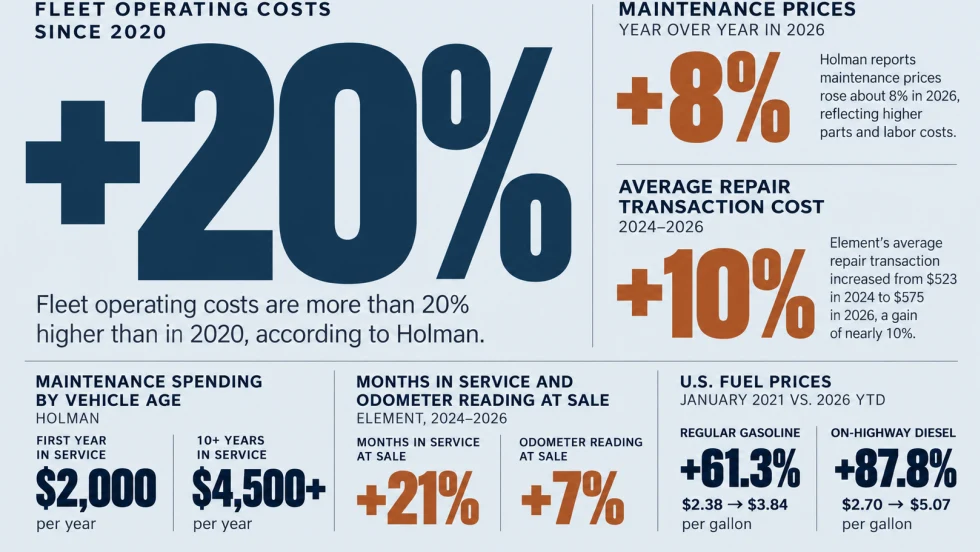
Managing Fleet Costs in an Era of Permanent Volatility
Fleet operating costs have risen more than 20% since 2020, raising a key question: When does extending a vehicle's service life stop making financial sense?
Read More →
The Next Evolution of Fleet Management: Autonomous Operations
This opening keynote session at the Fleet Forward Conference highlights the future of autonomous driving for fleets.
Read More →
How to Reduce the Total Cost of Risk From Catalytic Converter Theft
A stolen catalytic converter can cost fleets far more in downtime and lost productivity than in repairs. A total-cost-of-risk approach can help fleet managers quantify their exposure and prioritize theft prevention.
Read More →

Personal-Use Charges Rise as Vehicle Values Fall | AF News Recap
Personal-use charges are climbing, wholesale used-vehicle values are declining, and commercial fleet sales growth is slowing. This week, we're breaking down the latest fleet data, plus how Element Fleet Management is helping Waymo prepare for its first Canadian robotaxi market.
Read More →
Here's When You Should Make an Exception to Fleet Policy
Fleet policies are designed to create consistency, but not every driver or situation fits neatly within standard rules.
Read More →
AI-Native or AI-Acquired: What Should Fleet Managers Look for in an AI Platform?
Six questions can help fleet managers look beyond AI marketing claims to evaluate integration, data access, and real-world operational performance.
Read More →
A buyer's guide to fleet management software in 2027
Buying fleet management software in 2027 means looking beyond features and price. As fleet operations, technology and expectations evolve, this guide explores what today’s fleet professionals should consider when choosing a system that can deliver value now and adapt to what comes next.
Read More →
What Will Shape the Next Era of Fleet Management?
EVs, AI, and autonomous vehicles are reshaping fleet management. Discover what’s ahead—and how fleet leaders can prepare for the next era.
Read More →
How Fleets Can Recruit and Train Veterans for Technician Roles
Here's how the technician shortage has affected uptime for fleets, and what to do about it.
Read More →
Avis Budget Group Deploys Neology Toll Management Technology Across Major Brands
Neology’s neoFleet platform will manage toll transactions and toll-authority operations for vehicles across Avis, Budget, Payless, Budget Truck and Zipcar.
Read More →