




Driving Fleet Emissions Down
Drivers trained and motivated to adopt fuel-efficient driving habits can improve a fleet’s fuel economy by as much as 20 percent. Even small individual gains can total significant savings.

(c)iStockphoto.com/john bloor
Historically, car and truck fleets have been areas of quick wins in reducing greenhouse gas (GHG) emissions, as most companies replace a portion of their fleets every year, offering an opportunity to downsize or change to more environmentally friendly vehicles. Changing the vehicle mix has been the fastest and most cost-effective way to achieve fleet environmental goals.
However, with the tightening economy, companies are considering holding on to their vehicles longer. The good news is organizations still can do much to improve their existing fleets' fuel economy.
Just to be clear - we are not talking about fuel additives or magnets or other types of snake oil. Instead, we mean good old driver behavior - training drivers to operate their vehicles in the most fuel-efficient manner possible.
A recent Wall Street Journal article stated, "Drivers commonly improve their fuel economy upwards of 20 percent after deploying a handful of eco-driving techniques." This claim was further supported by a study done a few years ago by the PBS program "Motor Week," which showed driving behavior can have a 20-percent impact on a driver's fuel economy on average (in varied driving conditions). That's huge - both environmentally and financially!
Human behavior can be tough to change, and you may not get all your drivers to adopt fuel-efficient driving practices. But even small gains can make a significant difference. So, how do you motivate drivers to adopt environmentally friendly driving practices and start achieving these positive results? Any or all of the following three approaches are recommended.
1. Train Drivers on Vehicle Operation & Maintenance
Many companies are training drivers how to operate and maintain their vehicles to maximize fuel efficiency. This training can be delivered in several forms - at sales meetings, online, tips in a driver newsletter, etc.
To make the training as effective as possible, there are few keys to remember. First, the training's core messages should be repeated. Human beings rarely adopt a new behavior after hearing about it for the first time. Second, companies must ensure they do not set contradictory goals for drivers. For example, if you ask drivers to do regularly scheduled maintenance to keep their vehicles running at peak efficiency and also announce a goal of reducing vehicle maintenance costs, you are sending a mixed message to drivers.
Early results from PHH clients at the beginning stages of instituting green driving training programs reveal they have already improved fuel efficiency by up 4 percent overall, with individual drivers improving their efficiency by as much as 17 percent.
[PAGEBREAK]
2. Contests: Cost-Effective Ways to Change Behavior
Depending on an organization's culture, contests can be an extremely cost-effective way to change behavior. The key to success is developing a contest that rewards the right behavior and does not provide incentives for people to "game" the system. Some key issues to consider when developing contests:
Driver driving patterns. If some drive in the city and others in the country, you might want to reward percentage improvement, not an absolute MPG.
Individual and team awards. If you provide awards recognizing the achievements of a particular office, drivers in that office can reinforce good behavior among co-workers.
Size of the prize. It should be meaningful, but not so large to negate savings from reduced fuel use or to create an incentive to "game" the system.
At PHH, we have seen organizations achieve up to a 6-percent reduction in fuel use with a contest.
3. Telematics Reveals Driver Behavior & Vehicle Performance
Telematics technology provides incredible insight into how a driver operates the vehicle and how the vehicle is performing. Depending on the specific device used, telematics can provide information on driver speeding and idling, and engine performance - all key factors impacting fuel economy.
The benefit of telematics is real-time data on what is actually happening in the vehicle. You might have a policy that prohibits vehicle idling for more than two minutes, but unless you ride along with all of your drivers, how do you know if they follow the policy? Telematics determine who is adhering to company policies, allowing you to take appropriate corrective action.
While telematics services incur costs, the technology offers major benefits (including safety and productivity - a separate topic altogether), as well as fuel-related cost savings. For example, one service fleet improved its fuel economy by more than 3 percent just by reducing idling.
These fuel-economy improvements might seem small, but they can add up to a significant total. Do the calculations: For a company with a 1,000-sedan fleet, a mere 5-percent improvement in fuel economy can mean a savings of $180,000 a year. And this calculation assumes gas prices stay low; as gas prices go up, so do the relative savings. For fleets of vans, SUVs, or trucks, the savings opportunities are even greater. In addition, these techniques are complementary - implementing two or more can lead to even greater fuel savings.
Don't let tight budgets derail your fleet environmental initiatives. Instead, focus on areas - such as driver behavior - where investment is low, but savings are real.
About the Author - Karen Healey is director of project management at PHH Arval. Her responsibilities include environmental initiatives. She can be reached at Karen.Healey@phh.com.
More Green Fleet

Inspiration Mobility Acquires Key Electrada Assets
Inspiration Mobility Group has acquired select assets of Electrada, adding the fleet electrification provider's team, technology, and charging infrastructure development capabilities to its energy management business.
Read More →
Turning Connected Vehicle Data Into Decisions That Matter
Fleet leaders have more data than ever, but turning that data into clear, actionable decisions remains a challenge. This white paper shows how leading organizations are using connected vehicle data to improve safety, reduce costs, and optimize fleet performance. Learn how to turn insight into action across your fleet.
Read More →
Are You Tracking Your Fleet's True Total Cost of Ownership?
Bobit Business Media surveyed 190 fleet professionals and found that while most fleets are tracking costs, fragmented systems and data gaps are keeping true TCO visibility out of reach. With rising pressure to control spend in an increasingly volatile environment, the gap between what fleets think they know and what the data actually shows is wider than you might expect. See how your peers are managing costs today and where the industry still has room to improve.
Read More →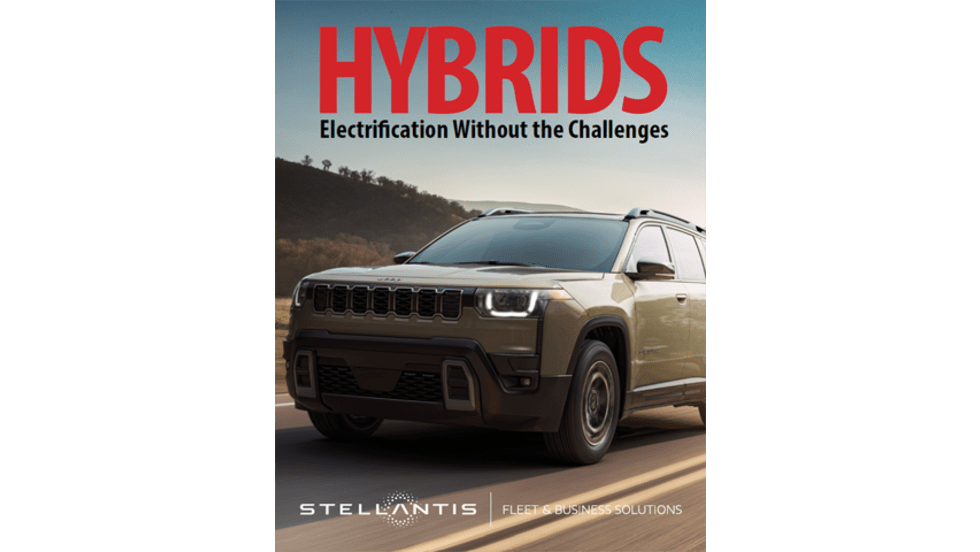
Hybrids: Electrification Without the Challenges
For fleet managers, fuel is one of the biggest line items in the budget — and it's one hybrids can shrink without changing how your people work. Download the eBook to see the numbers, understand the technology, and get a step-by-step guide to making the switch.
Read More →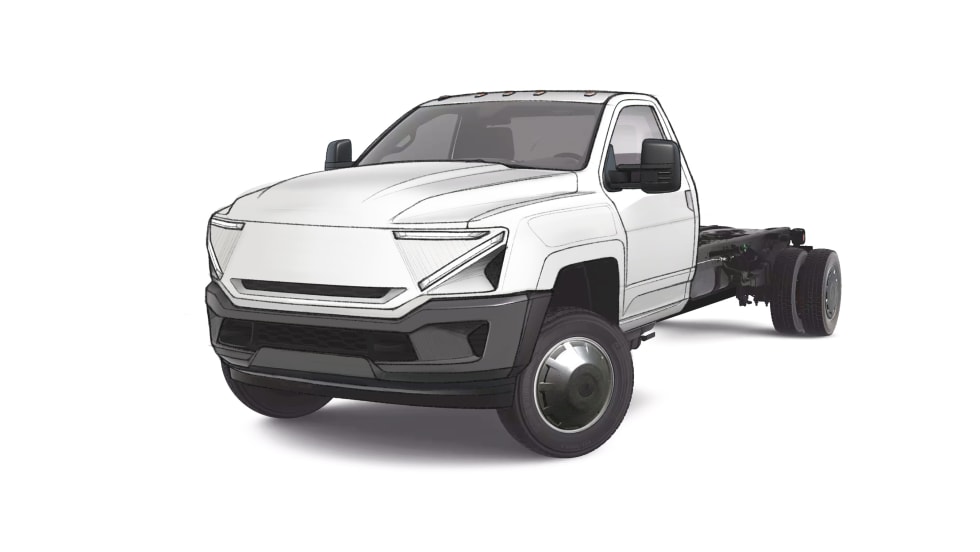
Startup ZMD Motors Developing Electric Conversion for Ram 5500 Work Trucks
Detroit-based company says it has begun early development of a system to convert internal combustion Ram 5500 chassis-cab trucks to electric power.
Read More →
U.S. EV Adoption Is Climbing, but Commercial and Passenger Markets Diverge
New industry group data revealed that light-duty electric vehicle sales are hitting record market share and volumes, while commercial EV volume dipped. What’s driving the fluctuations?
Read More →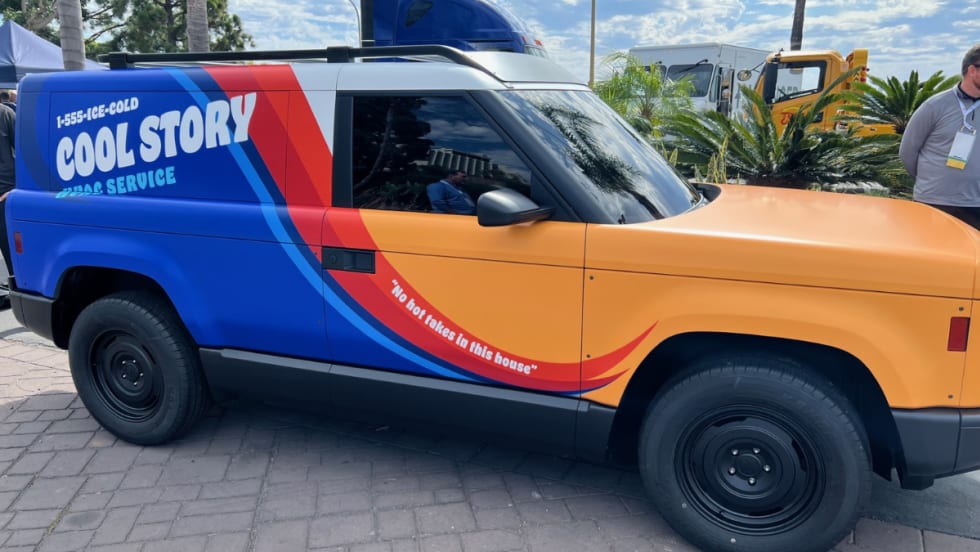
How To Upfit Electric Work Trucks and Vans
The biggest challenge lies in balancing additional equipment and accessories with EV battery capacity and range.
Read More →
How Fleets Can Adjust Approaches To EV Adoption
With the expiration of federal incentives, EV success now hinges less on government policy and more on discounts, battery tech progress, increased range, and broader infrastructure.
Read More →
Despite World Troubles, Forward Thinking Guides Fleets
Fleet operators shared their challenges during an annual conference that embraced the latest advances across all aspects of running private- and public-sector vehicles.
Read More →
GM Energy Details Partnerships and Targets for Public Charging Build-Out
EVgo, Pilot, ChargePoint and IONNA named; goal is 35k GM-invested DC stalls by 2030, with customer-experience upgrades at sites.
Read More →