




Designing Tires to a Specific Model Has Consequences for Commercial Fleets
Tires are an evolving component on vehicles. One simply has to look at the trend with factory OEM wheels and tires. Only a few years ago, the norm was 15- and 16-inch wheels. Currently, these same-sized cars, are now equipped with 16- and 17-inch sizes and some even have 18-inchers for mid-size cars.


Not long ago, 17-inch-diameter wheels were limited to high-end sports cars, while 20-inchers were strictly for tuners. Now, some minivans and pickups come standard on 17-inch tires.
This is a trend that consumers are dictating to the OEMs. In
response to this retail demand, the OEMs are designing tires for the performance of the vehicle, which makes them very specific to the vehicle. The trend has been for auto designers to work directly with tire manufacturers in developing tires specific to particular model vehicles. One consequence is the proliferation in the number of tire sizes available since only one tire in the tire manufacturer’s product line meets this vehicle-specific performance and handling specification.
Recent Examples
Tires designed for specific vehicles impact commercial fleets and their drivers. For instance, the 2004 and 2005 Ford F-150 was equipped with a tire manufactured by Hankook Tire. “Fleets had to use a Ford dealership for tire replacements, which limited availability since dealerships weren’t always conveniently located to drivers,” said Mark Lange, lead customer service advisor for GE Commercial Finance Fleet Services. “Even though the Hankook replacement tire was available through the dealership, it sometimes took 24-72 hours to have tires shipped from an independent tire dealer to the dealership to have them installed on fleet vehicles,” added Lange.
“The trend to vehicle-specific tires started a number of years ago. Manufacturers have designed vehicles to come with a specific tire size and style that they have sourced with one tire manufacturer. This limits the aftermarket availability of replacement tires because it may be a unique size and style,” said Lars Engman, manager of maintenance operations for GE Commercial Finance Fleet Services
Another example is the DaimlerChrysler RWD 300 and Magnum models. “There is still the perception that you need snow tires on a rear-wheel-drive vehicle even though it is equipped with traction and stability control,” says Lange. The problem is that the availability of snow tires for these vehicles was very limited. Snow tires were not available in 2004 on the 300 and Magnum models unless equipped with an 18-inch wheel package. “The models were equipped with a Continental tire, and Continental did not manufacture a similar tire in as a snow tire, nor did any other manufacturer. Although DaimlerChrysler has a training video demonstrating that snow tires are not required on these models, many drivers still believed they were necessary,” added Lange. Fleet managers realize that advances in rear-wheel-drive technology do not require the use of snow tires; but many may allow them as a safety precaution if a driver insists on them. “Even though a fleet policy may state that snow tires are not allowed unless the vehicle is located in a Snow Belt state, fleet managers may make an exception and err on the side of caution to avoid potential liability exposure,” said Engman.
A Design Trend Will Impact Fleets Monetarily
Replacement tires are a fleet’s third-largest expense. More and more manufacturers are designing tires specific to their vehicles. Manufacturers want their vehicles to perform in specific ways, and they spec the tire to be engineered to meet these requirements. As a result, the tire company develops a tire just for that model. The increased proliferation of tire sizes can result in temporary shortages for replacement tires immediately following new-model introduction. Also, the multitude of tire sizes makes it difficult for tire dealers to maintain sufficient quantities in inventory. Another concern is increased liability exposure. Since tires are optimized for a specific vehicle — from size and speed rating to inflation pressure and, in some cases, position — vehicle manufacturers believe OE fitments provide the best engineered ride and handling characteristics of a vehicle. The use of a substitute replacement tire, if a tire-related accident should occur, may be grounds for litigation.
In the long run, vehicle-specific tires will most likely contribute to higher prices. When tire sizes are designed to a specific vehicle and are not available on other vehicles, common sense says that there will be fewer built. The fewer built, the more expensive the tires.
Let me know what you think.
mike.antich@bobit.com
More Operations
What Fleet Managers Really Want From Vendors
From customer service frustrations and technology breakdowns to RFQs, change management, and the growing impact of turnover across the industry, this conversation pulls back the curtain on the real operational challenges fleet managers are navigating every day.
Read More →
Fleet Safety Masterclass: Industry Leaders on Storytelling, Strategy & Innovation
In this special masterclass episode, industry leaders break down what it really takes to build safer fleets in today’s increasingly distracted and data-driven world.
Read More →
Integrating Legacy Fleet Systems and Historical Data
In this episode, we bring together fleet and technology leaders to unpack the realities of data integration, system migrations, and the evolving role of AI in fleet management.
Read More →


From Resistance to Results: Change Management Strategies for Fleets
From new technologies and safety programs to evolving regulations, fleets are under constant pressure to adapt. But as Dr. Betz explains, success isn’t about the system you implement—it’s about whether your people actually use it.
Read More →
Where We're Headed: A Practical Look at AI in Fleet
Discover how AI is actually being deployed in fleets, not just marketed, including practical use cases and emerging risks.
Read More →
How Coca-Cola United Protects Its Fleet from Growing Legal Risk
Growing legal exposure can put fleets at risk. Here's one company's approach.
Read More →
Fleet Managers Think They Understand Their Costs. The Data Says Otherwise.
Most fleet managers say they have a strong handle on their costs, but new research from Bobit Business Media tells a different story. A 2026 survey of 190 fleet professionals reveals a widespread "confidence gap" where fragmented systems, disconnected data, and delayed reporting are leaving major blind spots hidden beneath the surface. Find out what the data actually shows.
Read More →
Cameras, Safety and Insurance: From Reactive Claims to Real-Time Prevention (Part 2 of 2)
Part Two: Commercial auto remains one of the most challenging and costly lines of coverage for fleet operators and insurers alike. Continue learning more about how to effectively address these issues from Onur Aksan, Enterprise Business Development Executive, Geotab
Read More →
New Trucks, AI & Summer Downtime | AF News Recap
From new truck updates to AI-powered driver coaching and summer maintenance tips, this week's fleet headlines are all about keeping things moving.
Read More →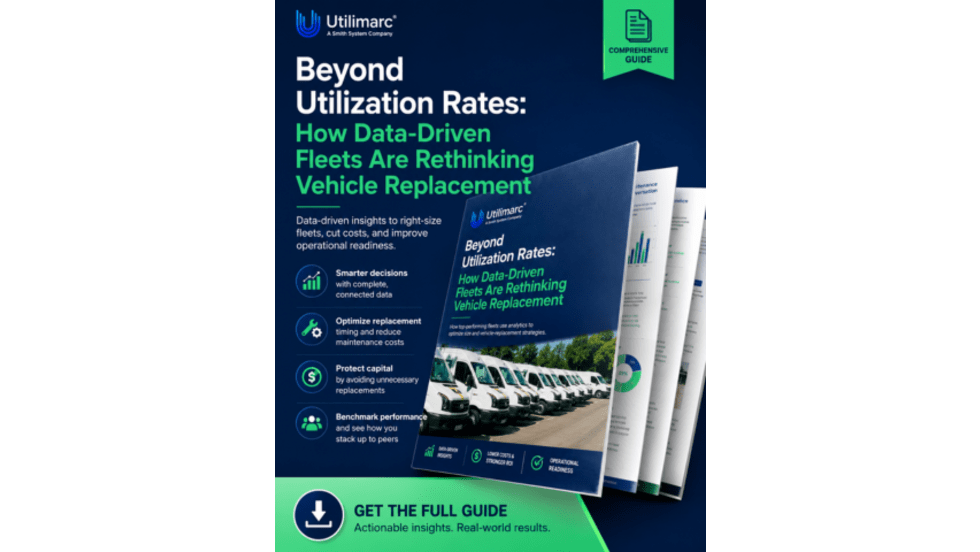
Beyond Utilization Rates: Smarter Fleet Replacement Decisions
Vehicle replacement decisions affect every aspect of fleet performance, from operating costs to asset availability. This guide explores how fleet leaders use integrated data, benchmarking, and lifecycle analytics to determine the right fleet size and optimize replacement timing with greater confidence.
Read More →