




Denver 'Trashes' Emissions With the 'Green Machine'
With a new hybrid-hydraulic trash truck, the City of Denver fleet achieves 25-percent better fuel economy and anticipates an annual reduction of 1,600 gallons of fuel.

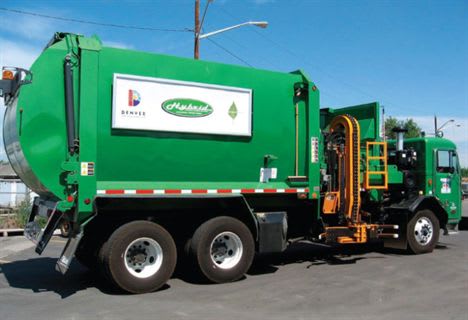
Ranked No. 9 Government Green Fleet in North America by the 100 Best Fleets organization, the Denver Public Works Fleet Maintenance Division is always on the lookout for green technologies. The latest addition to its ever-expanding green fleet now includes a hybrid-hydraulic trash truck.
Greening the Collection
Including the safety division, the City and County of Denver operate 2,820 vehicles, including 143 hybrids. "Currently 5 percent of the fleet is hybrid," said Nancy Kuhn, fleet administrator for the Public Works Fleet Maintenance Division.
In 2001, the agency bought a fleet of 39 Toyota Prius hybrid-electric vehicles, making it one of the world’s largest municipal hybrid fleets at the time. In 2005, the agency secured three Ford Escape Hybrids, among the first to roll off the assembly lines, and one of which is driven by Denver Mayor John Hickenlooper.
Promoters of alternative fuels, the City and County of Denver started using biodiesel in 2004. All diesel units now run on cleaner-burning biodiesel fuel.
Denver also utilizes propane and E-85, helping further reduce its dependency on foreign oil. In addition, the fleet took advantage of grant money to retrofit more than 80 vehicles and off-road equipment with emissions-control technology and install pre-heaters on 17 refuse trucks, reducing cold weather idling time and associated emissions.
[PAGEBREAK]
Dumping out Excess
The new Peterbilt Model 320 HLA hybrid-hydraulic unit is one of 115 trash trucks employed in daily trash collection. "The truck is getting 25-percent better fuel economy than its non-hybrid counterparts," said Kuhn. "We anticipate an annual reduction in excess of 1,600 gallons of fuel compared to our non-hybrid fleet of similar vehicles."
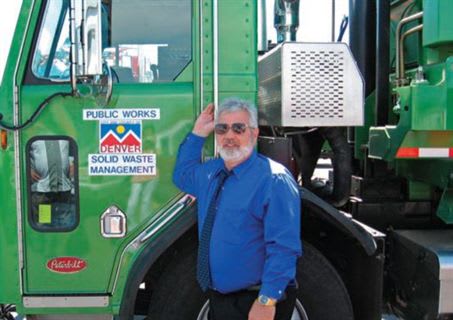
In 2006, Public Works fleet managers saw the hybrid-hydraulic trash truck at the Hybrid Truck Users Forum/CALSTART Conference in San Diego. "Our local Peterbilt representative informed us the manufacturer was looking for an additional site to test the vehicle (outside of Texas), to evaluate the unit in cold weather and high altitude conditions," said Kuhn. "It was at that gathering that an agreement to test the truck in Denver was negotiated."
The decision was mutually beneficial, as the City was due to replace a trash truck in 2008. Rather than replacing the old unit with a traditional truck, the City purchased the Peterbilt Model 320 HLA. The unit, which went into service mid-August 2008, is one of about a dozen being tested by the manufacturer. Denver’s unit is the only one operating outside of Texas.
Kuhn said Peterbilt is monitoring the hybrids’ performance in colder weather. In recent below-zero temperatures, the fleet’s new trash truck worked fine.
The city’s collective fleet of refuse trucks travel an average of 8,400 miles annually and achieve about 2.3 miles per gallon. With unpredictable fuel prices, Denver welcomed the opportunity for cost savings within its heavy-duty truck fleet.
In addition to saving money, Denver’s emissions reductions with the new heavy-duty hybrid trash truck falls in line with a goal strongly supported by Mayor Hickenlooper’s Greenprint Denver initiative. "If the unit is burning less diesel fuel, it will be emitting fewer harmful emissions," said Kuhn. "The manufacturers say the unit reduces emissions of NOx, particulates, and CO2."
Kuhn added, "We anticipate longer brake life, as the hybrid technology is used to help brake the unit."
[PAGEBREAK]
Taking out the Trash Truck
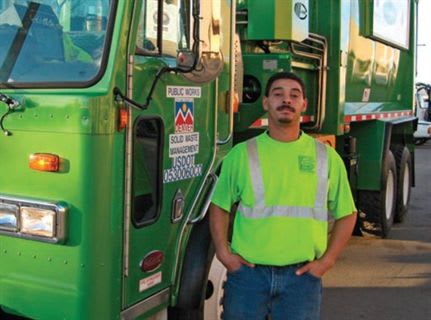
The unit operates differently from a conventional truck, said Kuhn. "The driver can use the hybrid technology to control starting and braking during stop-and-go trash operations. Not only are we getting better fuel economy, we expect the brakes to last longer."
The operator for the hybrid-hydraulic trash truck, "hand-picked to operate the hybrid, has a history of being a good, dependable driver who keeps his vehicles clean and well-maintained," she said.
Thomas Valdez takes pride and ownership in his hybrid. "[He’s] happy with the truck and likes driving it," Kuhn said.
Though Valdez received training on the unit’s operation, not a significant amount was required. Fleet mechanics also received training in maintaining/repairing the hybrid. Valdez is currently helping train another driver on how to operate the unit.
More Green Fleet
New Propane Autogas Program Offers Fleet Compensation
Qualified commercial fleets can receive $7,500 per eligible propane autogas vehicle and up to $10,000 for new refueling site prep. Learn how the program works and see whether your fleet qualifies.
Read More →
EV Charging Use Is Outpacing Infrastructure Growth
ChargePoint’s 2026 Charging Forward Report points to rising charger use, higher-powered charging, commercial vehicle electrification, and energy-management technology. Here’s what fleets should know.
Read More →
Merchants Fleet Reports 290M EV Miles as Fleets Navigate Changing Electrification Market
From millions in operating savings to hundreds of millions of EV miles, Merchants Fleet’s latest report reveals what’s working and what’s changing in fleet electrification.
Read More →
The EV Breakdown Nobody's Talking About: Why Most Electric Vehicle Roadside Calls Aren't Mechanical Failures
Here's why EV breakdowns are widely misunderstood.
Read More →
ChargePoint Now Available in Energy Pass
ChargePoint and additional planned charging network integrations were added to GM's Energy Pass.
Read More →
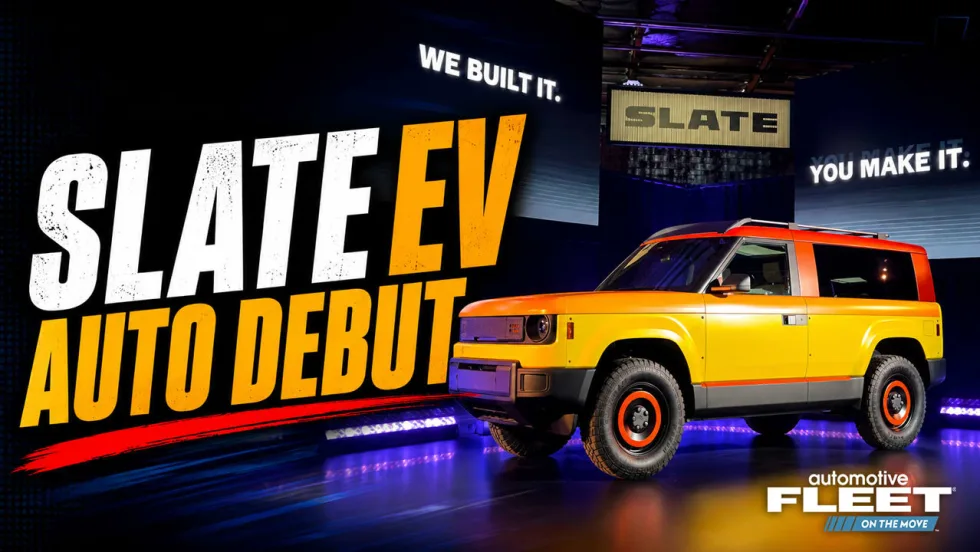
First Look: Slate Auto's Electric Fleet Pickup
Could an affordable, modular EV pickup make electrification more practical for fleets?
Read More →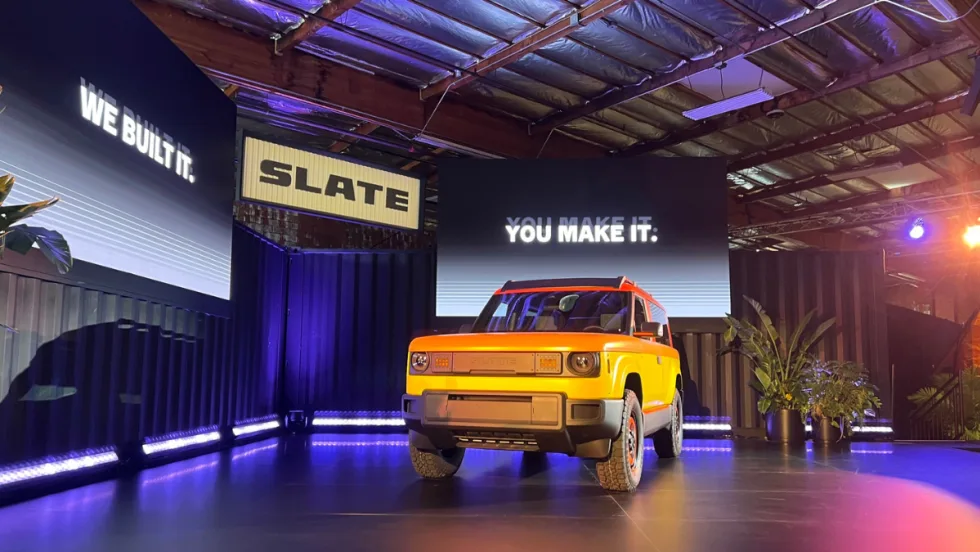
Slate Debuts Colorful, Unique EV Models
A recent media and client event, studded with electric vehicles dressed up on platforms, planted a new position for the manufacturer in the wider EV market. Fleets will find cost-saving advantages.
Read More →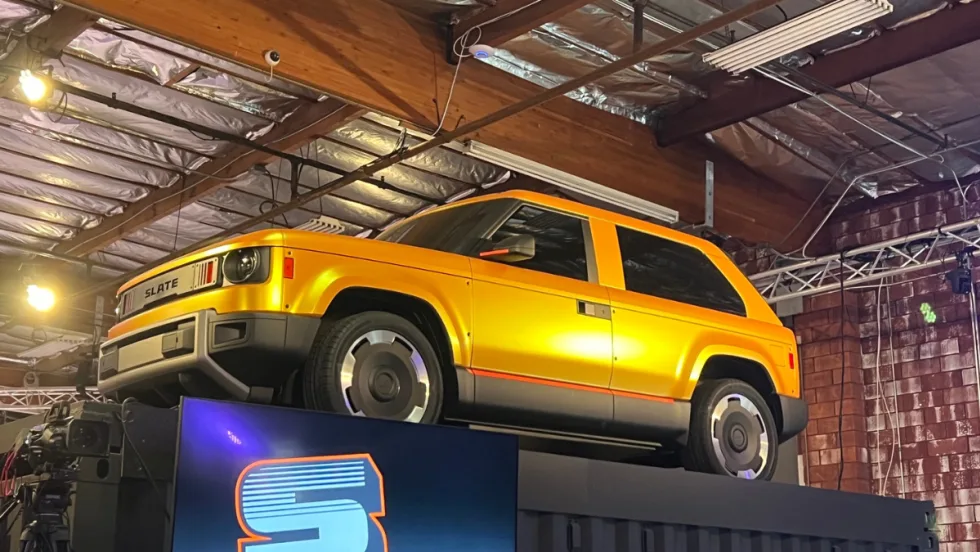
Slate Electric SUV, Pickup Switchable Model Aims For Light-Duty Fleets
Everything about this EV is counterintuitive and understated, making it stand out from the crowd.
Read More →
Inspiration Mobility Acquires Key Electrada Assets
Inspiration Mobility Group has acquired select assets of Electrada, adding the fleet electrification provider's team, technology, and charging infrastructure development capabilities to its energy management business.
Read More →