




Cost Control Starts with the Company Driver
Fleet policy is a crucial part of a company’s overall cost-control strategy. Invariably, the best-managed fleets are those whose drivers adhere to a written fleet policy.

Fleet policy is a crucial part of a company’s overall cost-control strategy. Invariably, the best-managed fleets are those whose drivers adhere to a written fleet policy. Fleet policy provides the mechanism to curb money-wasting behaviors. Think about it. If you want to reduce fuel costs, effective ways to do so are to ensure that drivers maintain properly inflated tires, avoid excessive idling, and drive the posted speed limit.
Another example is replacement tire costs, a fleet’s third-largest operating cost. Drivers can maximize tire tread life by having tires rotated at specified mileage intervals, and avoiding jackrabbit starts or sudden braking and aggressive cornering. Drivers can also influence vehicle resale values. For example, one way to maximize resale is to ensure that the vehicle you consign to auction is in good or excellent condition. This directly correlates to how a driver treated and maintained that vehicle. However, as any fleet manager will tell you, some drivers simply don’t care how they treat their vehicle. A typical reason is that there are no consequences for their negligent behavior. Each of your drivers should know the rules governing the use of a company vehicle and what actions will be taken for noncompliance. It is the threat of consequences, as spelled out in fleet policy, that will alter driver behavior.
Control Cost Before It Occurs
By establishing fleet policies up-front for expense control and by making a concerted effort to ensure they are uppermost in the minds of your drivers, you will reap substantial cost savings. Common sense tells us that the best time to control cost is before it occurs, and the best way to do this is by establishing policies and procedures that inhibit unnecessary spending. The overwhelming majority of drivers want to do what’s right for the company. Help them by posting information about cost-saving techniques, such as maintenance and fuel savings practices, on the driver Web site. Once a policy is established, it is your responsibility to communicate it to drivers. However, just because your company implements a written fleet policy doesn't mean it is followed. A common problem is that the fleet manager communicates policy to the drivers’ managers, but the word doesn’t get down to the individual drivers. Make fleet policy easily accessible to drivers and managers by posting it on the corporate Intranet. Communicate policies and procedures regarding company vehicles as part of the new employee orientation and provide printed fleet policy manuals with each vehicle. Another recommendation is to set aside time at company meetings to make fleet policy presentations to the drivers and managers. For drivers who work at regional offices, hold periodic teleconferences. During these meetings, re-emphasize the importance of policies designed to control costs.
The Danger of Policy Exceptions
A fleet manager must have the authority and backing of senior management to address a driver’s inability to properly operate and maintain an assigned vehicle. Also, it is important to “cc” supervisors who have drivers not in compliance with fleet policy. This practice will go a long way toward reducing and sometimes eliminating driver compliance issues. When dealing with driver-related problems, you shouldn’t create a new problem in the course of resolving one. The surest way to do so is to make an exception to your vehicle usage policy. Do not set precedent by allowing exceptions. It is critical that you make sure all drivers uniformly adhere to company fleet policy. There should be no exceptions to your company vehicle policies; otherwise, you run the risk of being sued for negligent entrustment or negligent retention.
Your fleet policy should be a living document updated annually. As changes occur within your company, revise your procedures to reflect these changes. Likewise, eliminate outdated policies. What was right yesterday may not be right today. Also, as part of your annual fleet policy review, survey your drivers to give them an opportunity to express their opinions or dissatisfaction about fleet policies that govern them. Every affected department should be involved in the process of creating fleet policy. When developing or re-evaluating fleet policy, solicit the participation of all affected departments, such as sales, administration, purchasing, human resources, and accounting, along with all vehicle user groups. By involving them in the decision-making process, you will increase the likelihood of their buy-in and support of fleet policies. However, it is important to stress that the fleet manager should manage the policy creation process.
No policy can anticipate all possibilities, but consistency in dealing with all the drivers assigned company vehicles at different locations is essential. To accomplish this, it is crucial for senior management to give the fleet manager the appropriate authority to address noncompliance by drivers and those departments’ assigned vehicles. It is a fleet manager’s job to avoid exceptions.
Let me know what you think. mike.antich@bobit.com
More Operations

Moventum Fleet Management Names Mark Iorillo Head of Sales
Iorillo brings nearly 20 years of fleet management and sales experience to the role, including previous positions at Element Fleet Management, CEI, Donlen and Ryder.
Read More →
Fleet Has a Talent Pipeline Problem. What Comes Next? | AF News Recap
Where will fleet’s next generation of leaders come from? This week, we’re looking at the industry’s talent pipeline, what certification can add to a fleet career, how to build an award-worthy track record, and the return of Automotive Fleet’s Personal Use Survey.
Read More →
Smith System Launches Driver Risk Management Program
Fleets have more driver data than ever, but identifying risky behavior doesn't necessarily correct it. Smith System's new Driver Risk Management program combines monitoring, training, and follow-up coaching to help fleets connect risk signals with driver intervention.
Read More →
Automotive Fleet Opens 2026 Personal Use Survey for Commercial Fleet Managers
Less than two weeks left! Commercial and corporate fleet managers are invited to share how their organizations handle company vehicle personal-use policies, charges, and driver eligibility.
Read More →
From AI Prompts to AI-Generated Safety Songs | AF News Recap
Can better prompts make AI more useful for fleet managers? This week, we’re breaking down smarter fleet analysis, an AI-assisted experiment that turned safety training into music, and what happened to fuel prices in August.
Read More →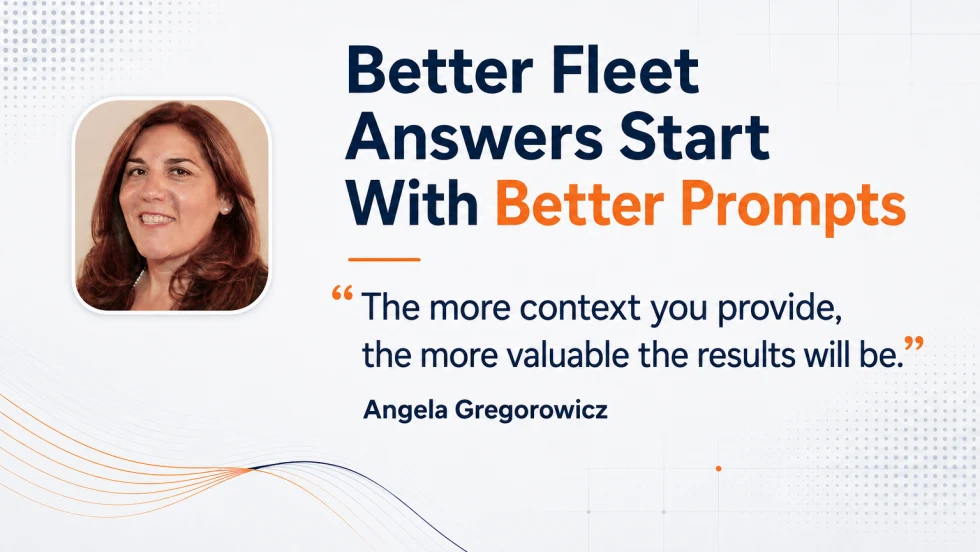
How to Write Better AI Prompts for Fleet Analysis
Include these six elements in your fleet prompts to generate more relevant analysis and accurate answers.
Read More →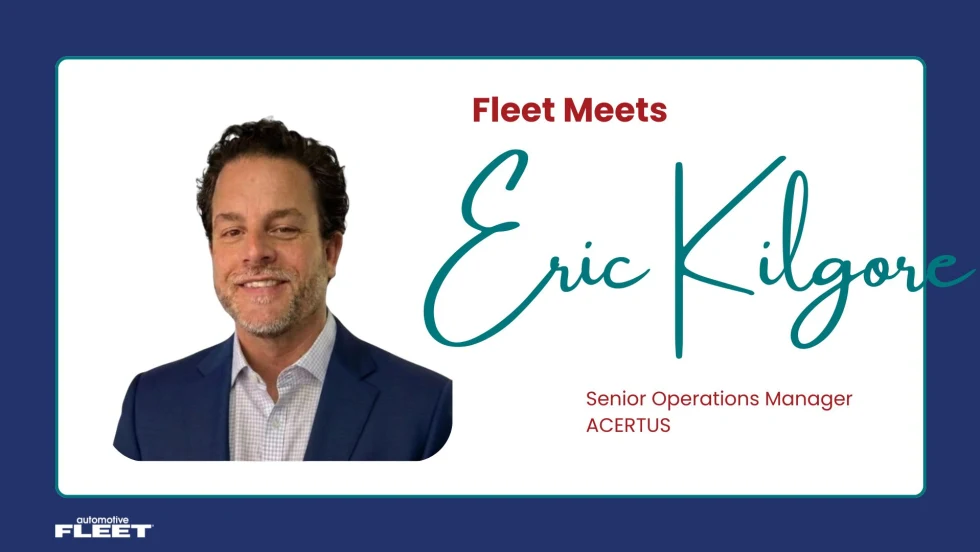
Fleet Meets: Eric Kilgore
This edition of the Fleet Meets series features one of the industry's best leaders driving multi-market and national operations.
Read More →
Why Reactive Fleet Management Is Becoming Too Expensive to Sustain
Research highlights a growing need for proactive management strategies to address rising costs in fleet operations effectively.
Read More →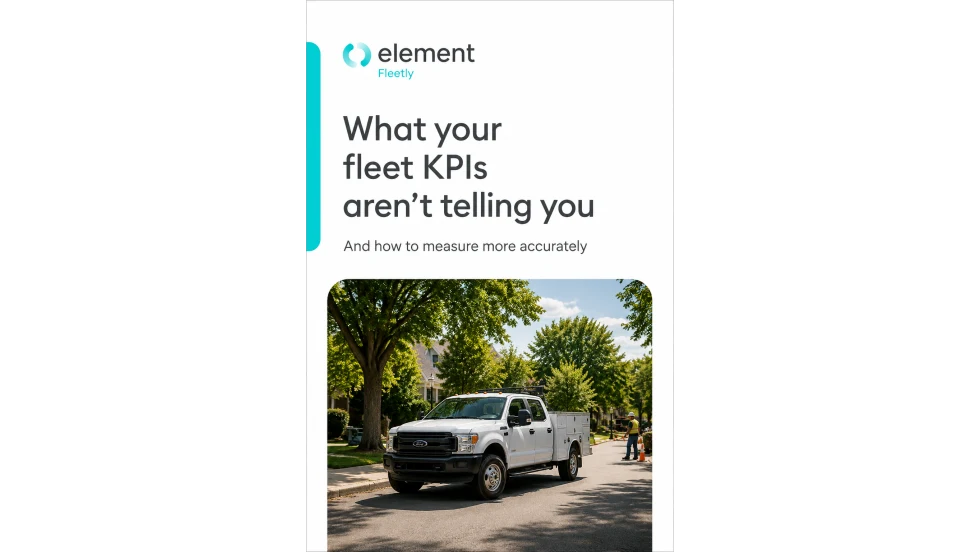
What Your Fleet KPIs Aren’t Telling You
Tracking fleet metrics is only useful when the data leads to better decisions. This guide helps fleet leaders assess cost, utilization, and downtime more accurately, identify performance gaps, and prioritize the actions that can improve operational results.
Read More →
Hidden in Plain Sight: Fleet Compliance Risks
Fleet compliance isn't just about having policies — it's about consistently enforcing them. This practical guide reveals six hidden compliance risks common in public sector and shared fleet operations and outlines proven strategies to improve visibility, accountability, and audit readiness
Read More →