




Clinton Reviews Federal Fleet Conversion Task Force Report
The National Association of Fleet Administrators (NAFA) participated in a task force that presented recommendations to President Clinton on how to accelerate the federal fleet's conversion to alternative fuels. Here are the recommendations.
The Federal Fleet Conversion Task Force, formed by an executive order from President Clinton to make recommendations on substantially increasing the federal government's acquisition of alternative-fuel vehicles (AFV), presented its report to the President and the Secretary of Energy on August 1, 1993.
The chief recommendation of the Task Fore was the establishment of a Presidential Clean Cities Initiative to provide a coordinated effort toward national commercialization and integration of alternative-fueled vehicles into the United States' public and private transportation fleets.
The initiative would have two components. The first is a locally-directed program to accelerate alternative-fuel use by coordinating public/private efforts - both to acquire certified low-emitting alternative-fueled vehicles and to establish the necessary refueling and service infrastructure to support their efficient use.
The second element of the initiative would be support of those locally-directed programs through coordination at the national level of efforts to aggregate AFV purchases, ease or remove regulatory impediments to AFV use, and optimize the use of available federal funds.
The task force identified 38 cities and regions, prioritized into three ties, in which to concentrate the initiative's efforts for fiscal years 1994 through 1996. The 38 cities and regions would receive priority funding for federal vehicle purchases and for infrastructure development. A professional public relations campaign would be conducted promoting the uses and benefits of alternative fuels in these priority cities and regions.
In addition, the Task Force has made specific recommendations for overcoming numerous regulatory, economic, and technical barriers that have slowed the introduction of alternative-fueled vehicles into general use. Implementation of these recommendations will, in some cases, require legislative or administrative action by federal or state authorities, and active cooperation of the automotive and fuel industries.
The task force continues to exist until April 1994. During this time, the Task Force will actively monitor progress, help coordinate efforts between federal, state, and local government, as well as the private sector, and, where appropriate, assist in implementing those recommendations that are adopted by the President and the Secretary of Energy.
How the Task Force was Created
The Federal Fleet Conversion Task Force was created by executive order 12844, which was signed by President Clinton on Apr. 21, 1993. In the executive order, the President directed that purchases of alternative-fueled vehicles by the federal government be substantially increased beyond the levels required by current law. The reason for the order was the hope that additional federal purchase and the accompanying development of a refueling infrastructure would decrease oil imports, stimulate the domestic energy industry, and improve air quality.
Clinton charged the Task Force with developing recommendations for carrying out his executive order, with special emphasis on promoting widespread use of alternative-fueled vehicles not only by federal, state, and local government fleets, but also by private fleets, and, ultimately, by individuals. These recommendations and their implementation plans were published in an interim report submitted by the task force to President Clinton and Secretary of Energy Hazel O'Leary.
Clinton appointed Texas Land Commissioner Garry Mauro as chair of the Task Force, while Secretary of Energy O'Leary designated Susan Tierney, assistant secretary of Energy for Policy, Planning, and Program Evaluation, to serve as vice chair. The additional 33 members, including NAFA President Patsy Brownson, were selected to represent the many diverse interests that will be affected in the shift from gasoline and diesel to alternative automotive fuels.
In addition, four working groups were created that, in conjunction with Task Force members, staff, and NAFA members, identified and recommended solutions to the barriers impeding the widespread use of alternative-fueled vehicles.
NAFAMembers Involved in Fleet Conversion Task Force
Patsy Brownson, fleet administrator for Cox Enterprises and NAFA president, was appointed by President Clinton to serve on the Federal Fleet Conversion Task Force.
In addition, other NAFA members and affiliates participated in the four working groups that advised the task force. These four working groups and participants were:
The vehicle production and conversion working group with Janis Christensen of TRW Information Systems & Services and Tom Sours of State Farm Mutual Auto Insurance.
The program economics working group with Chip Taggart of David M. Griffith & Associates.
The fueling infrastructure and technology working group with Bruce Underwald of New Jersey Bell and Daniel Lopez of Frito-Lay.
The federal state, and local program and regulation working group was co-chaired by Brownson and James Lents of the South Coast Air Quality Management District. Other NAFA members participating in this group were Jim Anselmi of the Port Authority of New York and New Jersey, Duane Berger of the State of Michigan Motor Transport Division, and Eugene Grembowski of Framers Insurance.
More Green Fleet

EV Charging Use Is Outpacing Infrastructure Growth
ChargePoint’s 2026 Charging Forward Report points to rising charger use, higher-powered charging, commercial vehicle electrification, and energy-management technology. Here’s what fleets should know.
Read More →
Merchants Fleet Reports 290M EV Miles as Fleets Navigate Changing Electrification Market
From millions in operating savings to hundreds of millions of EV miles, Merchants Fleet’s latest report reveals what’s working and what’s changing in fleet electrification.
Read More →
The EV Breakdown Nobody's Talking About: Why Most Electric Vehicle Roadside Calls Aren't Mechanical Failures
Here's why EV breakdowns are widely misunderstood.
Read More →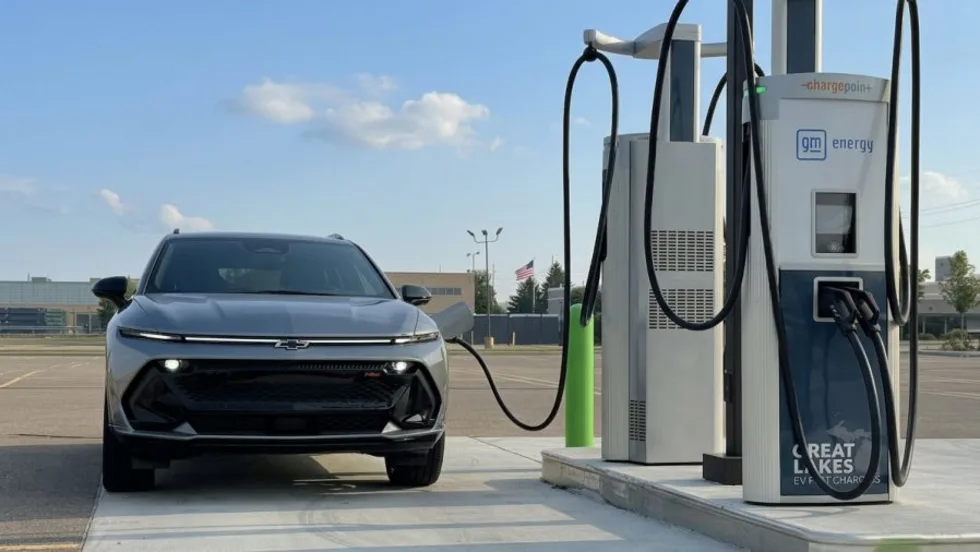
ChargePoint Now Available in Energy Pass
ChargePoint and additional planned charging network integrations were added to GM's Energy Pass.
Read More →

First Look: Slate Auto's Electric Fleet Pickup
Could an affordable, modular EV pickup make electrification more practical for fleets?
Read More →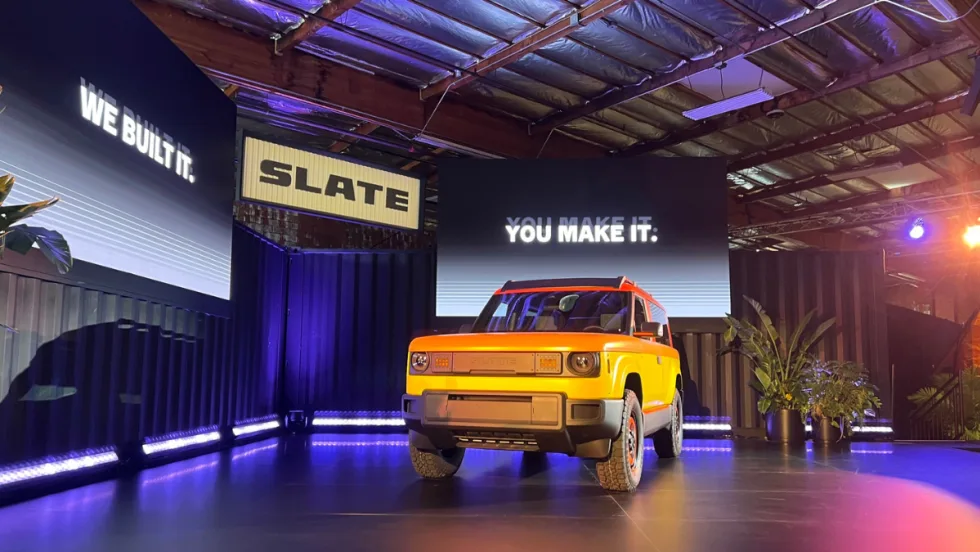
Slate Debuts Colorful, Unique EV Models
A recent media and client event, studded with electric vehicles dressed up on platforms, planted a new position for the manufacturer in the wider EV market. Fleets will find cost-saving advantages.
Read More →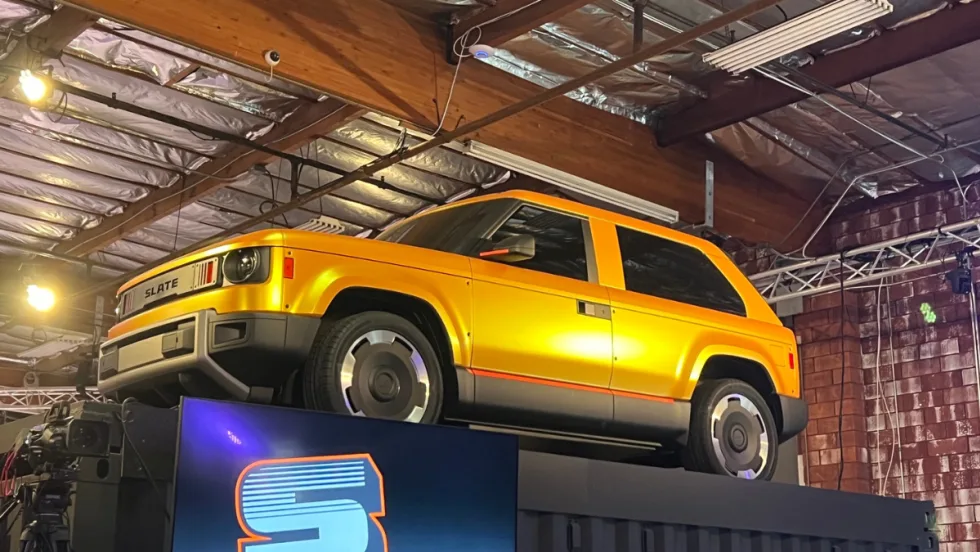
Slate Electric SUV, Pickup Switchable Model Aims For Light-Duty Fleets
Everything about this EV is counterintuitive and understated, making it stand out from the crowd.
Read More →
Inspiration Mobility Acquires Key Electrada Assets
Inspiration Mobility Group has acquired select assets of Electrada, adding the fleet electrification provider's team, technology, and charging infrastructure development capabilities to its energy management business.
Read More →
Turning Connected Vehicle Data Into Decisions That Matter
Fleet leaders have more data than ever, but turning that data into clear, actionable decisions remains a challenge. This white paper shows how leading organizations are using connected vehicle data to improve safety, reduce costs, and optimize fleet performance. Learn how to turn insight into action across your fleet.
Read More →