




City of Fayetteville Builds A Biodiesel Dispenser
In 2007, the City of Fayetteville, Ark., converted 52 percent of its 545 fleet vehicles to biodiesel. It currently saves 2.4 cents per gallon using B-20 versus petroleum diesel.

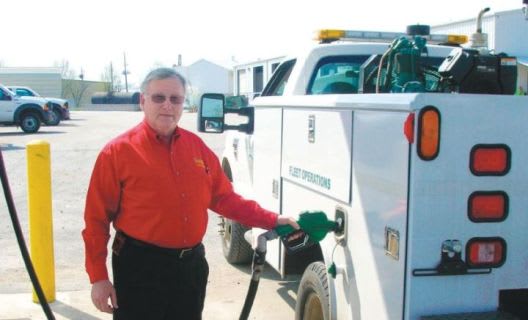
Fleet Operations Superintendent David Bragg orchestrated the conversion of the City of Fayetteville, Ark.’s diesel-powered vehicles to biodiesel. The City implemented ASTM-certified commercially produced biodiesel into its fleet only after completing a lengthy research process.
Now, 70,000 gallons of petroleum fuel is replaced with B-20 annually, saving the City 2.4 cents per gallon. A new, more competitive gasoline and diesel contract saves 3 cents per gallon over the previous contract for total savings of $13,500 annually.
The City also implemented what may be the first biodiesel dispenser in the United States capable of blending ratios at the dispenser. In recognition of this accomplishment, the NAFA Fleet Management Association presented its Larry Goill Award for Quality Fleet Management Ideas to Bragg at the recent NAFA Institute & Expo in Salt Lake City.
This new idea has saved Fayetteville, the third largest city in Arkansas, thousands of dollars when compared to the expenditure of gasoline or hauling fuel to another site.
If the price differential between diesel and biodiesel holds, the City plans to increase to a B-50 blend in the summer months.
"Fayetteville, as a university community, was environmentally conscious even before it was popular," Bragg said. "Under the leadership of Mayor Dan Coody, we are a national leader in sustainability efforts."
One of the City’s main goals was to use only ASTM-certified biofuels to ensure that it achieved the best reported emission benefits.
"We’ve already received positive comments from the public regarding reduced smoke and odor from our diesel equipment," Bragg said.
[PAGEBREAK]
On-Site Fueling Saves City Mileage and Crew Time
Fuel pumps in Fayetteville were previously located at the fuel supplier’s site and connected directly to bulk storage tanks. Bragg said the fleet was billed daily for fuel pumped, and the site was approximately three miles from the fleet maintenance facility.
"The distance was causing substantial loss in mileage and crew time," Bragg said.
The fleet operations was looking to discontinue use at the facility and build a new facility at the City’s on-site fleet location. And in June 2007, after several months of an engineering and bidding process, the City of Fayetteville opened its new fuel facility and began pumping a B-20 blend into all diesel-powered equipment, slightly over half of the fleet, amounting to two-thirds of total fuel use.
Due to shipping distance from biodiesel producers, a separate pure biodiesel storage tank was installed, and full tanker loads are purchased from the producers.
The fuel is blended with premium diesel inside a dispenser at a ratio programmed by management. To the City’s knowledge, it operates the first biodiesel dispenser capable of blend-at-the-dispenser in the United States.
More Green Fleet
New Propane Autogas Program Offers Fleet Compensation
Qualified commercial fleets can receive $7,500 per eligible propane autogas vehicle and up to $10,000 for new refueling site prep. Learn how the program works and see whether your fleet qualifies.
Read More →
EV Charging Use Is Outpacing Infrastructure Growth
ChargePoint’s 2026 Charging Forward Report points to rising charger use, higher-powered charging, commercial vehicle electrification, and energy-management technology. Here’s what fleets should know.
Read More →
Merchants Fleet Reports 290M EV Miles as Fleets Navigate Changing Electrification Market
From millions in operating savings to hundreds of millions of EV miles, Merchants Fleet’s latest report reveals what’s working and what’s changing in fleet electrification.
Read More →

The EV Breakdown Nobody's Talking About: Why Most Electric Vehicle Roadside Calls Aren't Mechanical Failures
Here's why EV breakdowns are widely misunderstood.
Read More →
ChargePoint Now Available in Energy Pass
ChargePoint and additional planned charging network integrations were added to GM's Energy Pass.
Read More →

First Look: Slate Auto's Electric Fleet Pickup
Could an affordable, modular EV pickup make electrification more practical for fleets?
Read More →
Slate Debuts Colorful, Unique EV Models
A recent media and client event, studded with electric vehicles dressed up on platforms, planted a new position for the manufacturer in the wider EV market. Fleets will find cost-saving advantages.
Read More →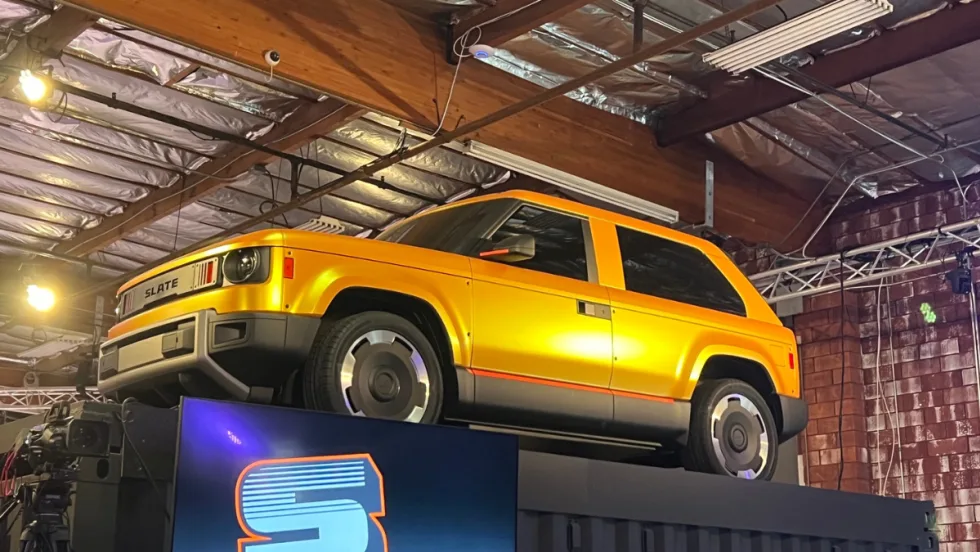
Slate Electric SUV, Pickup Switchable Model Aims For Light-Duty Fleets
Everything about this EV is counterintuitive and understated, making it stand out from the crowd.
Read More →
Inspiration Mobility Acquires Key Electrada Assets
Inspiration Mobility Group has acquired select assets of Electrada, adding the fleet electrification provider's team, technology, and charging infrastructure development capabilities to its energy management business.
Read More →