




City Fleet Finds Use For Electric Vehicles
Florissant, Missouri takes delivery of 10 Units and rustproofs them for long life.
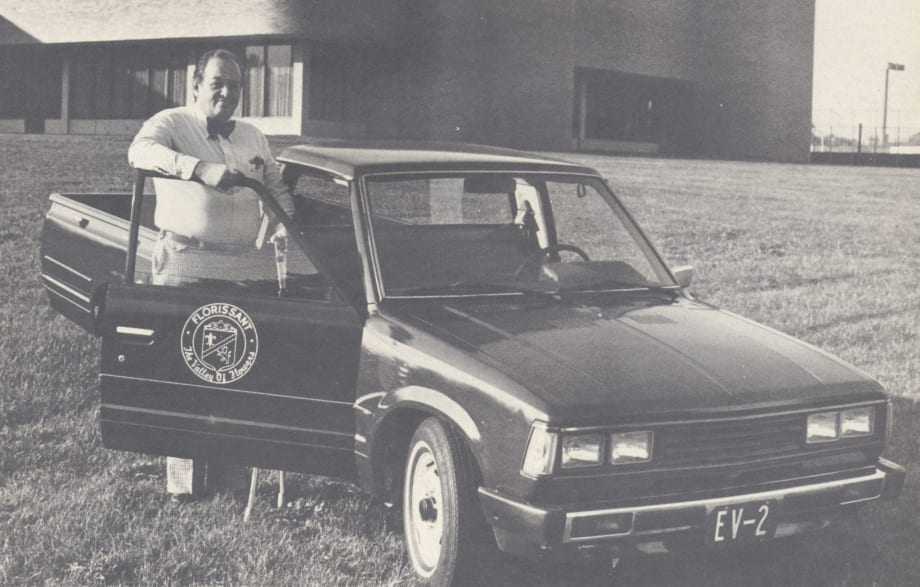
Jack Kretzker, Florissant director of public works, with one of the EV's acquired by the city.
Energy prices have become a major factor in vehicle selection and as a result of the high price of gasoline, fleets have begun to look about for alternate means to propel their units. Electric vehicles have become a part of this trend, albeit on a small scale. EV's are finding their way into all types of fleets ranging from commercial to governmental.
One government unit that recently joined the move towards EVs is Florissant, Missouri.
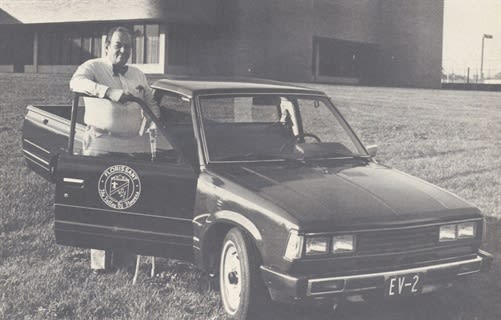
Jack Kretzker, Florissant director of public works, with one of the EV's acquired by the city.
This city of 72,000 located 17 miles northwest of St. Louis, is getting 10 electric cars, pickup trucks and stepvans for its fleet of vehicles to help ease the financial burden imposed on the budget by soaring gasoline prices.
"We need to find alternative methods to the internal combustion engine," says Jack Kretzer, the city's director of public works. "Gasoline costs too much."
Florissant was one of 24 cities chosen by the Department of Energy to be a site demonstrator to prove that electric vehicles are feasible in all city and county fleet uses. DOE is paying the $15,400 cost per vehicle for Florissant. The city was chosen February 22, got its first vehicle May 13 and expects to have all 10 by fall. The 10 vehicles will represent 16 percent of the city's vehicle fleet.
"There isn't a job here, except garbage pickup, that can't be done with electric vehicles," Kretzer insists "I even think some police work can be done in electric cars."
Kretzer says the cars can easily go 55 mph and travel 70 miles before a recharge. Charging the batteries will be as simple as plugging a cord into a socket. The battery system (the battery itself is lead acid) was designed by Western Research Industries in Las Vegas. The company purchases remanufactured bodies - Florissant is getting Datsun bodies - and installs its battery system in the vehicles. Kretzer estimates that each of Florissant's vehicles, except police cars, travel from 10 to 55 miles per day.
The city's new electric cars require approximately one kilowatt hour of electricity for each mile of operation. With a cost of about five cents per kilowatt hour, the price for operating the new electric fleet compares favorably with gasoline powered cars. But Kretzer says the real savings is in maintenance. "Maintenance should be half the cost of the conventional car and the electric vehicles should last longer, up to 10 years," he said.
To ensure a long life for the new vehicles, Kretzer commissioned Ziebart dealer Charlie Burge to do the rustproofing. Burge has the contract for all Florissant vehicles, but said the new electric models presented a special challenge.
"We had to be darn careful not to spray sealant on the electrical system or we could have shorted the whole motor," Burge explained. Burge's technicians solved the problem by wrapping the motor in plastic before processing.
The second problem, according to Burge, was curiosity. Burge said so many visitors can to take a look at the new vehicles that it caused a lengthy delay in performing the rustproofing.
Kretzer is enthusiastic about the electric vehicles, and said he can't wait until they are incorporated into his fleet.
"It's exciting to be part of an important project like this," he said. "I have a lot of confidence in these vehicles. Electric cars aren't toys anymore. They're here, and they're doing a job for us."
More Operations

Fleet Has a Talent Pipeline Problem. What Comes Next? | AF News Recap
Where will fleet’s next generation of leaders come from? This week, we’re looking at the industry’s talent pipeline, what certification can add to a fleet career, how to build an award-worthy track record, and the return of Automotive Fleet’s Personal Use Survey.
Read More →
Smith System Launches Driver Risk Management Program
Fleets have more driver data than ever, but identifying risky behavior doesn't necessarily correct it. Smith System's new Driver Risk Management program combines monitoring, training, and follow-up coaching to help fleets connect risk signals with driver intervention.
Read More →
Automotive Fleet Opens 2026 Personal Use Survey for Commercial Fleet Managers
Less than two weeks left! Commercial and corporate fleet managers are invited to share how their organizations handle company vehicle personal-use policies, charges, and driver eligibility.
Read More →
From AI Prompts to AI-Generated Safety Songs | AF News Recap
Can better prompts make AI more useful for fleet managers? This week, we’re breaking down smarter fleet analysis, an AI-assisted experiment that turned safety training into music, and what happened to fuel prices in August.
Read More →
How to Write Better AI Prompts for Fleet Analysis
Include these six elements in your fleet prompts to generate more relevant analysis and accurate answers.
Read More →
Fleet Meets: Eric Kilgore
This edition of the Fleet Meets series features one of the industry's best leaders driving multi-market and national operations.
Read More →
Why Reactive Fleet Management Is Becoming Too Expensive to Sustain
Research highlights a growing need for proactive management strategies to address rising costs in fleet operations effectively.
Read More →
What Your Fleet KPIs Aren’t Telling You
Tracking fleet metrics is only useful when the data leads to better decisions. This guide helps fleet leaders assess cost, utilization, and downtime more accurately, identify performance gaps, and prioritize the actions that can improve operational results.
Read More →
Hidden in Plain Sight: Fleet Compliance Risks
Fleet compliance isn't just about having policies — it's about consistently enforcing them. This practical guide reveals six hidden compliance risks common in public sector and shared fleet operations and outlines proven strategies to improve visibility, accountability, and audit readiness
Read More →
Turning Fleet Payment Data into Executive Insights
Does data alone drive results in operations?
Read More →