




Chrysler's Customer Advisory Board: A Driving Force
Established in 2004, Chrysler Fleet Operations continues to improve its products, processes, and operations by gaining valuable insight through meetings with its Customer Advisory Board (CAB).

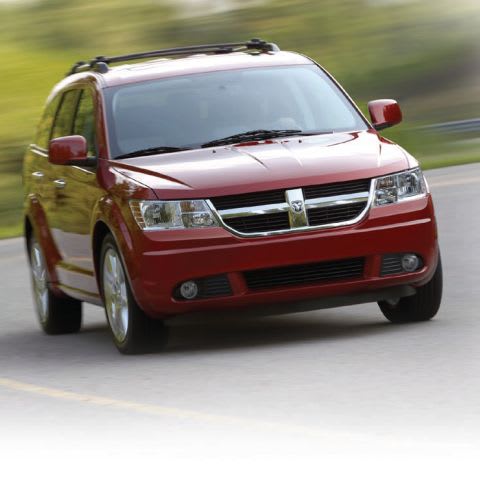
Chrysler Fleet Operations Cust- omer Advisory Board (CAB) was established in 2004 and consists of approximately 20 members representing a wide variety of industries. The board meets directly with Chrysler fleet senior management twice a year with the goal of discussing trends and opportunities in commercial fleet relative to product, the fleet market, and business processes.
“CAB represents the entire fleet community — to ensure that their voices are heard in helping to bridge gaps, improve communications, drive initiatives, and have a say in the future development of product, process, and improvement,” says Jim McCarthy, director, VMS, Siemens Shared Services.
The CAB is organized into subcommittees focusing on business practices and product. Business practice subcommittees work on communication and dealer relations. Product subcommittees deal with car, minivan, SUV, crossover vehicles, and commercial trucks.
Over the past four years, the board has been actively involved in several successful initiatives with Chrysler. One example is the Fleet Elite program, which establishes a core group of “fleet-minded” dealers committed to developing and implementing processes to better serve fleet customers. The CAB provided direction from a customer perspective on what fleets need in the way of dealer service. This input was integral in the design on the Fleet Elite program requirements and measurements.
As a member, McCarthy has seen significant improvement in how the needs and concerns of corporate fleets are addressed and resolved. A few of the CAB’s major projects have focused on dealer issues, pools, and timely delivery.
In early 2006, CAB members traveled to Detroit to preview the new minivans scheduled to be introduced in the 2008 model-year. Board members provided product input during the early stages of vehicle development, input implemented in final vehicle design. The CAB also had the opportunity to test drive current and future products at Chrysler Proving Ground locations. Chrysler fleet executives report the board’s focus on early stage product input will be enhanced as Chrysler’s vehicle development process sharpens its focus on customer needs and wants.
The board provided positive input for the redesign of the Chrysler Fleet Web site, www.fleet.chrysler.com, serving as a pilot group for a variety of enhancements, including PDF generation. Other initiatives include improving order-to-delivery timing, recall applications, and product package content for current and existing Chrysler products. Board members also played a pivotal role in the redesign of the annual “Fleet Buyer’s Guide,” from determining the medium — print versus electronic — to the content and mode of delivery.
According to McCarthy, CAB has been successful because of the unique mix of industries and personalities represented, as well as the dedication and participation of its core fleet members. CAB has done a tremendous job in facilitating the sessions, soliciting feedback, following up on action items, and remaining on course and aligned with its core goals, said McCarthy.
Debbie Mize, fleet manager for Hallmark Cards and CAB board member from the group’s inception, feels CAB is helpful in meeting customer needs and receiving feedback to improve service, product, and packaging from the auto manufacturer.
“We develop structure, and with our great diverse group of industries, we are able to openly communicate with one another. We try to be a group that is easy to work with,” said Mize.
More Operations

Avis Budget Group Deploys Neology Toll Management Technology Across Major Brands
Neology’s neoFleet platform will manage toll transactions and toll-authority operations for vehicles across Avis, Budget, Payless, Budget Truck and Zipcar.
Read More →
Fleet Personal-Use Charges Edge Higher in 2026
Nearly eight in 10 surveyed fleets allow personal use of company vehicles, while just over half of respondents report charging employees for the privilege.
Read More →
The Future of Fleet + What’s Changing Right Now | AF News Recap
Could developments overseas offer a preview of what’s coming for U.S. fleets? This week, we’re looking at the future of AI, autonomy, and electrification, plus Ford Pro’s new certified pre-owned program, smarter vehicle offboarding, and a new way for fleets to manage toll expenses.
Read More →
How to Handle Vehicle Offboarding
What do fleet managers need to do when a driver leaves?
Read More →
Fleet Manager’s Ultimate Playbook: Navigating the New Standard in OEM Connectivity
Rising operating costs, driver safety concerns, and unplanned downtime are putting unprecedented pressure on modern fleets. Discover how fleet managers use embedded OEM connectivity and real-time vehicle data to cut TCO, prevent downtime, and protect drivers without aftermarket telematics hardware.
Read More →
U.S. Bank Adds Verra Mobility Toll Management to Voyager Fleet Platform
The integration allows U.S. Bank Voyager fleet customers to manage toll payments and violations alongside fuel, EV charging and maintenance expenses.
Read More →
ADAS Prevents Crashes. But Repairs Cost More | AF News Recap
ADAS-equipped vehicles may crash less often, but they can cost more when they do. This week, we’re breaking down what that tradeoff means for fleets, plus Subaru’s first Forester Wilderness Hybrid, Nissan’s new e-POWER Rogue, and why Calstart has become Catalyst Mobility.
Read More →
Moventum Fleet Management Names Mark Iorillo Head of Sales
Iorillo brings nearly 20 years of fleet management and sales experience to the role, including previous positions at Element Fleet Management, CEI, Donlen and Ryder.
Read More →
Fleet Has a Talent Pipeline Problem. What Comes Next? | AF News Recap
Where will fleet’s next generation of leaders come from? This week, we’re looking at the industry’s talent pipeline, what certification can add to a fleet career, how to build an award-worthy track record, and the return of Automotive Fleet’s Personal Use Survey.
Read More →
Smith System Launches Driver Risk Management Program
Fleets have more driver data than ever, but identifying risky behavior doesn't necessarily correct it. Smith System's new Driver Risk Management program combines monitoring, training, and follow-up coaching to help fleets connect risk signals with driver intervention.
Read More →