




Chrysler Reorganizes Fleet Operations
One outcome of the reorganization was the creation of a dedicated Commercial Truck Group within Fleet Operations. The group has a national sales team focused on the commercial, government, and daily rental markets.

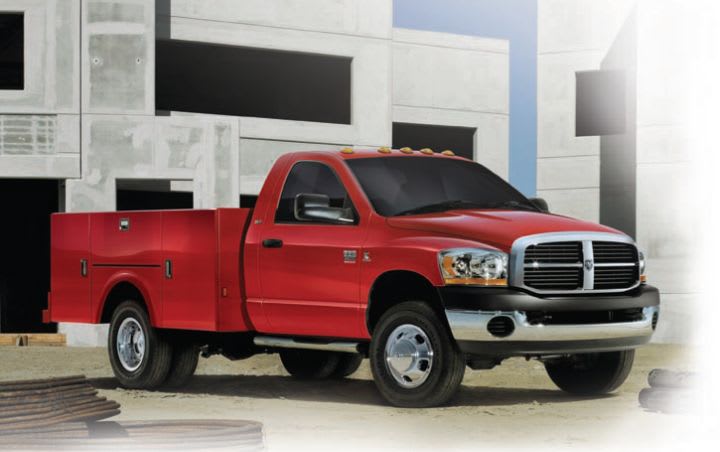
Shortly after its acquisition by Cerberus Capital Management, Chrysler decided to reorganize its Fleet Operations. The reorganization was completed in the first quarter of 2008. One outcome of the reorganization was the creation of a dedicated Commercial Truck Group.
Another result was the realignment of the reporting structure for fleet sales and internal operations. The Fleet Operations sales group reports to Pat Dougherty, director of fleet sales, while the internal operations group reports separately to Pete Grady, director of remarketing and fleet operations. Both Dougherty and Grady report to Darryl Jackson, vice president – U.S. sales for Chrysler LLC.
AF recently interviewed Dougherty and Grady to learn more about the reorganization and how it will benefit fleet customers.
AF: Why did Chrysler decide to reorganize its Fleet Operations?
DOUGHERTY: Chrysler Fleet Operations began a structural reorganization coinciding with the new management and ownership of Chrysler LLC. Last August, Cerberus acquired 80.1 percent of Chrysler, creating the first privately held North American manufacturer in a half-century. Based upon the new vision of Chrysler, the decision was made to restructure the fleet organization, particularly in light of the current automotive environment.
AF: One outcome of the reorganization of Chrysler Fleet Operations was the creation of a Commercial Truck Group. Could you provide details as to how this group is structured and the services it will offer?
DOUGHERTY: Dodge now has a full lineup of commercial trucks, with the recent additions of the Dodge Ram 3500 Chassis Cab, and the Dodge Ram 4500 and 5500 Chassis Cabs competing in the Class 3-5 medium-duty segments. As a result, Chrysler Fleet Operations determined it was important to have a dedicated sales team in place to support the specialized needs of valued customers.
The Commercial Truck team will focus on developing new business, supporting existing truck fleet accounts, and various other field initiatives. Led by Bud Place, senior manager of Commercial Truck sales, a select team of truck field representatives will be geographically located in key markets to meet the needs of truck fleet customers.
AF: Why was the decision made to have the fleet sales group and the internal operations group have separate reporting structures? What are the advantages to this type of organizational structure?
GRADY: As director of Fleet Sales, Pat Dougherty has been a leader in the Fleet Operations since 2003. His extensive commercial experience is important as the head of the sales team and allows him to focus his energies on customers.
As director of Remarketing and Fleet Operations, I have experience in many different areas with Chrysler, including remarketing, retail sales, operations, and international markets. I will bring a broad perspective in leading the home office support staff. I will work well with all of Chrysler’s internal functional groups and, by being the “voice of the fleet customer,” my group will be able to deliver the products and features that fleet customers want and need.
The sales team and internal operations are very integrated. Pat and I converse several times daily and share the same vision for the direction of Chrysler Fleet Operations.
AF: Why was the field sales force reorganized into two regions instead of the previous three regions?
DOUGHERTY: As a result of various personnel activities, it made sense to reorganize the field sales team into two commercial sales teams, East and West. This also allowed for the dedicated truck organization to be led by a senior manager.
Mark Charlson heads up the West Region, while Bob McGehee is in charge of the East Region. Accordingly, Chrysler Fleet Operations has a staff of regional account executives located throughout the U.S. to serve the needs of our commercial customers. The field organization also includes seven government and alternative-fuel sales managers, reporting to Roxie Thomas, and nine commercial sales development managers, reporting to Steve Sage, to serve both the bid and small fleet markets.
Chrysler also reorganized its support and operations group by strengthening the Business Relations group, headed by Senior Manager Bick Pratt. The group now includes additional people and more dedicated focus on specific areas, such as fleet management company (FMC) support, vehicle production management, and logistics. Finally, Senior Manager Howard Katz was brought inside from a prior position as national sales manager – East, to head the Communications, Market Support, and Technology group. His “field focus” will be used to direct all output toward the specific needs of end-use fleet customers.
AF: Did the reorganization affect Chrysler’s government/alternative fuel and National Fleet Services organizations?
DOUGHERTY: There has been no change to the Government and Alternative Fuel Sales, or the National Fleet Service organizations as a result of the reorganization.
AF: How was Chrysler’s Fleet Remarketing operations reorganized?
GRADY: Remarketing and Certified Pre-Owned Vehicle (CPOV) sales will continue to report to me. There was no structural change to the Chrysler Fleet Remarketing operations; however, there are several new personnel in the organization. Most notably, Lisa Way, who formerly managed the Market Development group, has been appointed senior manager of Remarketing and CPOV Sales, and Terry Goode, who comes from the Dealer Commercial area, will manage the CPOV program.
AF: How will Chrysler fleet dealers benefit from the reorganization?
DOUGHERTY: Chrysler dealerships actively involved with commercial fleet business will continue to benefit from field service and home office support for fleet sales and service issues. Also this year, Chrysler is rolling out the Fleet Elite program, which supplements the Business Link Dealer Commercial program.
Fleet Elite dealers must meet stringent criteria insuring they are capable and committed to providing fleet customers the full array of necessary service and support. Fleet Elite dealerships have regular contact with fleet service managers and Dodge Commercial Business Link personnel.
More Operations

Avis Budget Group Deploys Neology Toll Management Technology Across Major Brands
Neology’s neoFleet platform will manage toll transactions and toll-authority operations for vehicles across Avis, Budget, Payless, Budget Truck and Zipcar.
Read More →
Fleet Personal-Use Charges Edge Higher in 2026
Nearly eight in 10 surveyed fleets allow personal use of company vehicles, while just over half of respondents report charging employees for the privilege.
Read More →
The Future of Fleet + What’s Changing Right Now | AF News Recap
Could developments overseas offer a preview of what’s coming for U.S. fleets? This week, we’re looking at the future of AI, autonomy, and electrification, plus Ford Pro’s new certified pre-owned program, smarter vehicle offboarding, and a new way for fleets to manage toll expenses.
Read More →
How to Handle Vehicle Offboarding
What do fleet managers need to do when a driver leaves?
Read More →
Fleet Manager’s Ultimate Playbook: Navigating the New Standard in OEM Connectivity
Rising operating costs, driver safety concerns, and unplanned downtime are putting unprecedented pressure on modern fleets. Discover how fleet managers use embedded OEM connectivity and real-time vehicle data to cut TCO, prevent downtime, and protect drivers without aftermarket telematics hardware.
Read More →
U.S. Bank Adds Verra Mobility Toll Management to Voyager Fleet Platform
The integration allows U.S. Bank Voyager fleet customers to manage toll payments and violations alongside fuel, EV charging and maintenance expenses.
Read More →
ADAS Prevents Crashes. But Repairs Cost More | AF News Recap
ADAS-equipped vehicles may crash less often, but they can cost more when they do. This week, we’re breaking down what that tradeoff means for fleets, plus Subaru’s first Forester Wilderness Hybrid, Nissan’s new e-POWER Rogue, and why Calstart has become Catalyst Mobility.
Read More →
Moventum Fleet Management Names Mark Iorillo Head of Sales
Iorillo brings nearly 20 years of fleet management and sales experience to the role, including previous positions at Element Fleet Management, CEI, Donlen and Ryder.
Read More →
Fleet Has a Talent Pipeline Problem. What Comes Next? | AF News Recap
Where will fleet’s next generation of leaders come from? This week, we’re looking at the industry’s talent pipeline, what certification can add to a fleet career, how to build an award-worthy track record, and the return of Automotive Fleet’s Personal Use Survey.
Read More →
Smith System Launches Driver Risk Management Program
Fleets have more driver data than ever, but identifying risky behavior doesn't necessarily correct it. Smith System's new Driver Risk Management program combines monitoring, training, and follow-up coaching to help fleets connect risk signals with driver intervention.
Read More →