




Choosing the Right Oil for Your Vehicles
Understanding the oil viscosity classifications and knowing the correct oil to use in the type of weather your vehicles operate under can help ensure good engine performance and prolong engine life.
Determining the right oil for your vehicle, combined with regular preventative maintenance, can improve engine performance and longevity, resulting in lower lifecycle costs.
There are two things that could damage an engine: excessive heat or lack of lubrication. This is truer today because while modern engines are designed to burn cleaner, they also run hotter.
So how do you decide what's the best oil for your vehicles?
A good starting point would be the Institute of Materials (IOM), an independent organization that conducts research on oil samples from around the world, then provides the results to automakers, oil companies, and fleet managers. These results are called VoxPopTM reports.
Weather Plays a Key Role When Selecting the Proper Oil
Vehicles run by MediaOne, in Lawrence, MA, use 10W-30 primarily because of its good start up and flow characteristics in cold weather, said Jeri Buckley, MediaOne's fleet manager. Many of the company vehicles, of which a majority is vans, remain idle frequently, she said.
"It can get pretty cold where we are, the Northeast region," Buckley said. "We didn't want to use oil that's too thin, like the 5W-30, because of the vehicles being idle. The 10W-40 is probably a bit too thick, and we wouldn't want any start-up problems in the morning."
But the case is different in Harris County, TX, where the climate is a lot warmer. Since most of the county vehicles, they use higher-viscosity oil, such as 20W-50, said Keith Bramer, director of vehicle maintenance for Harris County.
Understanding the Different Oil Classifications
Determining the best oil depends primarily on what you need. Some oils pump well in cold weather; others at high temperatures; and others burn off a high percentage at running temperature.
But there are other considerations. IOM has provided basic terms to give people a better understanding of the nature of the oil and how classification is established. They include the following:
Viscosity. This is the single, most important property of an oil. Viscosity is how fast an oil flows. The viscosity of an oil must be thick enough to lubricate and protect, but thin enough to flow through oil lines and spread evenly over all bearing surfaces at low temperatures.
OilGrade. The oil grade is the measurement of how fast it flows or its viscosity. The Society of Automotive Engineers (SAE) has established a rating system to indicate an oil's viscosity or thickness and assign it a specific grade number. Thicker oil flows slower and is designated a higher SAE number.
MultigradeOils. These oils have two SAE grades - for low and high temperature characteristics. The first SAE number, such as "5W" (W stands for winter), indicates oil flow characteristics at cold start, while the second number, such as 20 or 30, refers to film strength at 212 degrees Fahrenheit.
In cold weather, it would be best to use a multigrade oil with good start-up and flow behavior, such as a 5W-30. But an older engine, or one that operates at high temperatures, a higher viscosity oil, such as a multigrade 10W-30, would be preferable.
MineralOils. Originating from petroleum deposits in the ground, these oils vary greatly in quality, sulfur content, how cleanly they burn, and the amount of carbonized deposits they leave on internal engine parts.
SyntheticOils. Synthetics tend to have lubricating qualities resistant to high-temperature breakdown and deposit formation. But they require additives due to lack of natural lubricating properties. In general, synthetic oils are best used in turbocharged/high-performance engines with tight tolerances and high operating temperatures.
ServiceClassification. Set by the American Petroleum Institute (API), the classification appears as letters in the doughnut-shaped ring on oil containers. The system rates an oil's ability to control wear, sludge, varnish, thickening, rust, corrosion, and piston deposits. The latest classification is SJ, but letters changes as standards are continually upgraded. The SJ rating will also carry the International Lubricant Standardization and Approval Committee's (ILSAC) symbol, meaning that it meets standards set by American and Japanese automakers.
What the Terms Mean
VoxPop reports provided by the Institute of Materials have eight rating categories that measure the qualities of oil and how those qualities change during engine operation.
StartingViscosity - How easily the oil flow will let your engine start at cold temperatures. Lower numerical values are better.
PumpingViscosity - How easily oil flows from the oil pump in cold temperatures. Lower values are better.
GellationIndex - An oil's tendency to form gelled structures in the oil at cold temperatures, making flow to the oil pump more difficult. Lower values are better.
OperatingViscosity - The ability of an oil to lubricate critical areas of the engine, such as bearings and cylinder walls where temperatures can exceed 250 degrees Fahrenheit during normal operation. Higher numerical values are better.
OxidationResistance - Oxidation leads to the formation of acid and deposits within the engine and may increase oil viscosity. Under harsh test conditions, resistance to this chemical change is measured in minutes until oxidation occurs. More minutes of resistance are better.
Volatility - The percentage of oil lost through evaporation or burn-off during engine operation. Lower percentages are better.
ShearStability - The percentage of viscosity lost during engine operation. This is a measure of how well an oil retains its viscosity when used in the engine. Lower percentages are better.
AcidResistance - The ability of the oil to neutralize harmful acids, formed in the process of fuel combustion and oil oxidation. Higher values are better.
More Maintenance

How Can Fleet Managers Tell Which Repairs Require Closer Review?
Fleetio’s Brianna Perry demonstrates how Service Advisor evaluates maintenance requests, identifies pricing anomalies, and provides the context fleet managers need to focus their attention on potential problems.
Read More →
Why Roadside Assistance Belongs in a Fleet Risk Strategy
Roadside assistance is more than a tow. See how the right partner can protect drivers, uncover fleet trends, and strengthen your risk strategy.
Read More →
Hidden in Plain Sight: Fleet Compliance Risks
Fleet compliance isn't just about having policies — it's about consistently enforcing them. This practical guide reveals six hidden compliance risks common in public sector and shared fleet operations and outlines proven strategies to improve visibility, accountability, and audit readiness
Read More →
How Maintenance Costs Compare Across 27 Fleet Vehicles
Vincentric’s three-year, 60,000-mile projections reveal wide differences for both scheduled and unscheduled maintenance among selected vehicle categories. Projected maintenance visits also play a factor.
Read More →
The EV Breakdown Nobody's Talking About: Why Most Electric Vehicle Roadside Calls Aren't Mechanical Failures
Here's why EV breakdowns are widely misunderstood.
Read More →
How Stellantis Plans to Get Ahead of Fleet Downtime
Keeping fleet vehicles on the road has become as important as buying them. Darren Bradshaw of Mopar North America explains how connected vehicle data, AI, and proactive service strategies are helping Stellantis reduce downtime and move closer to predictive maintenance.
Read More →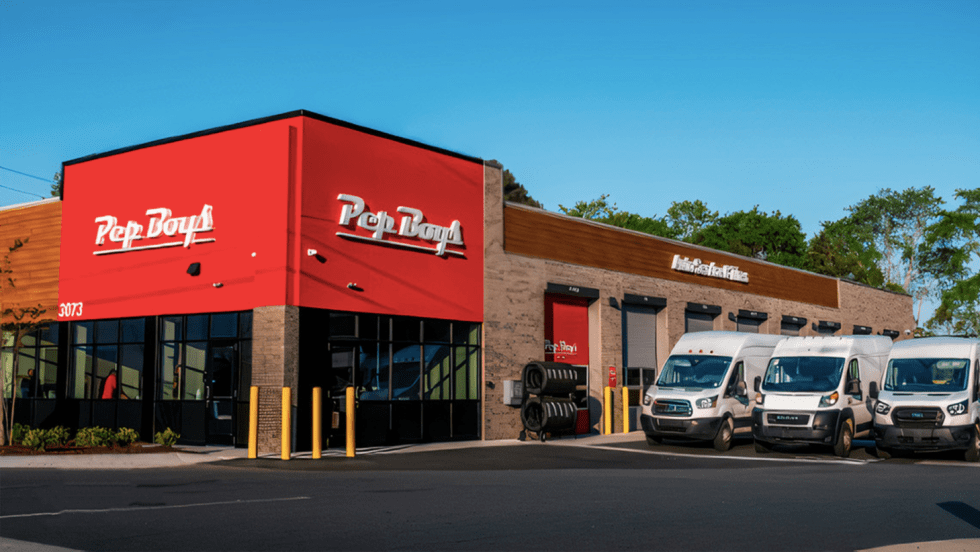
Merchants Fleet Expands Maintenance Network with Pep Boys
Merchants Fleet has expanded its relationship with Pep Boys, increasing the service provider's role within its national maintenance network. The move is intended to enhance maintenance coordination and support commercial fleets through Pep Boys' nationwide footprint.
Read More →
The Two Biggest Summer Downtime Threats for Fleets
A conversation with a maintenance expert reveals the two most common summer maintenance pains and how to prevent them.
Read More →
Turning Connected Vehicle Data Into Decisions That Matter
Fleet leaders have more data than ever, but turning that data into clear, actionable decisions remains a challenge. This white paper shows how leading organizations are using connected vehicle data to improve safety, reduce costs, and optimize fleet performance. Learn how to turn insight into action across your fleet.
Read More →
Are You Tracking Your Fleet's True Total Cost of Ownership?
Bobit Business Media surveyed 190 fleet professionals and found that while most fleets are tracking costs, fragmented systems and data gaps are keeping true TCO visibility out of reach. With rising pressure to control spend in an increasingly volatile environment, the gap between what fleets think they know and what the data actually shows is wider than you might expect. See how your peers are managing costs today and where the industry still has room to improve.
Read More →