




California Embarks On 1000 Vehicle Methanol Fleet
The search for alternative fuels goes on, and it is a search which will ultimately affect every fleet administrator in the nation. When one or two fuels can be found which are as efficient as gasoline, are less expensive than petroleum products and are, in essence, "home-grown," then administrators would be remiss if they did not fully investigate these fuels.
The search for alternative fuels goes on, and it is a search which will ultimately affect every fleet administrator in the nation. When one or two fuels can be found which are as efficient as gasoline, are less expensive than petroleum products and are, in essence, "home-grown," then administrators would be remiss if they did not fully investigate these fuels.
Methanol is the latest in a line of investigated fuels, and the results of the research on the fuel have been so positive that the State of California is funding a $5 million pilot program to supply municipalities with methanol-fueled vehicles and study the results.
The California Legislature established the Energy and Resources fund in 1980 to finance projects which "will substantially reduce oil and natural gas use over the next decade." The Energy Commission requested and got $5 million from the Energy and Resources Fund for 1982-1983 for a 1000 car methanol fleet. The proposal contains three elements. These are, 1) to use the funds to purchase and maintain 900 alcohol- fueled vehicles for use by state and local governments, 2) to provide short-term, no-interest loans to fuel distributors to establish 50 to 100 commercial refueling stations throughout California, and,3) to develop and test three prototype high-performance vehicles, and purchase 100 of the best designed vehicles for the California Highway Patrol. Funding is also allocated for 20 refueling stations at CHP facilities.
The state's actions are following the Bank of America's experiment with a fleet of about 250 methanol- powered cars. The bank, one of the most powerful (if not themost powerful) corporate entity in the state, terms their methanol experiment a positive experience, and will soon be willing to make available their report detailing their findings, at a cost of $7500 per copy.
Methanol, an alcohol-based fuel, can be distilled from any carbon-based product, which means practically anything organic. The country depending on methanol as a fuel would have to look no farther than their own shores for the product, one of the most appealing aspects of methanol use. Though methanol does have a high octane rating (about 110, compared to gasoline's 90), it only has about half the energy content of gas. Also, methanol can corrode rubber and plastic hoses and fittings. So, cars being methanol-fueled need to have engine work performed to increase compression, and also must have certain engine parts replaced with sturdier pieces.
Other notes on methanol include the fact that it is easily diluted with water, so spills are easy to clean. Methanol burns with an invisible flame, so while the fires are easy to fight, they are not always easy to see. Methanol is extremely toxic to human tissue, and care must be taken to prevent spills or ingestion. Experts recommend methanol be stored similarly to gasoline.
Methanol is an extremely clean-burning fuel. Vehicles running on methanol in California may legally remove most smog devices from their engines.
Finally, methanol engines will deteriorate no faster than gasoline engines.
The future of the California pro gram could determine the future of methanol for the rest of the nation. One company, Future Fuels, is working closely with the state on developing and implementing this program. They are also involved, as is the Bank of America and Atlantic Richfield (ARCO), in developing additives for methanol to give it better lubricity, as well as taste, odor and appearance in case of a fire.
The results of this program will be followed in AUTOMOTIVE FLEET. At this time, methanol is legal for motor use only in a very few states, and the rest of the nation is watching this California experiment closely.
More Green Fleet
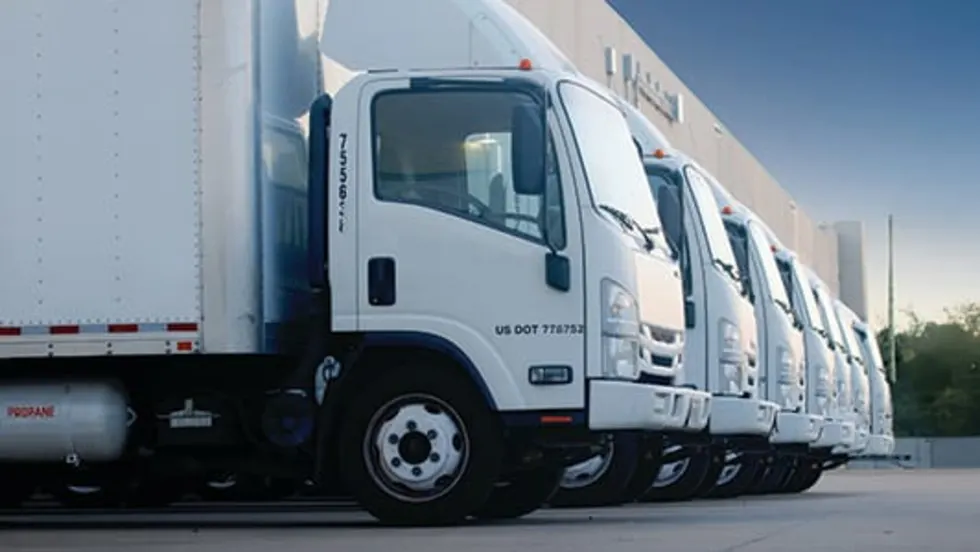
New Propane Autogas Program Offers Fleet Compensation
Qualified commercial fleets can receive $7,500 per eligible propane autogas vehicle and up to $10,000 for new refueling site prep. Learn how the program works and see whether your fleet qualifies.
Read More →
EV Charging Use Is Outpacing Infrastructure Growth
ChargePoint’s 2026 Charging Forward Report points to rising charger use, higher-powered charging, commercial vehicle electrification, and energy-management technology. Here’s what fleets should know.
Read More →
Merchants Fleet Reports 290M EV Miles as Fleets Navigate Changing Electrification Market
From millions in operating savings to hundreds of millions of EV miles, Merchants Fleet’s latest report reveals what’s working and what’s changing in fleet electrification.
Read More →
The EV Breakdown Nobody's Talking About: Why Most Electric Vehicle Roadside Calls Aren't Mechanical Failures
Here's why EV breakdowns are widely misunderstood.
Read More →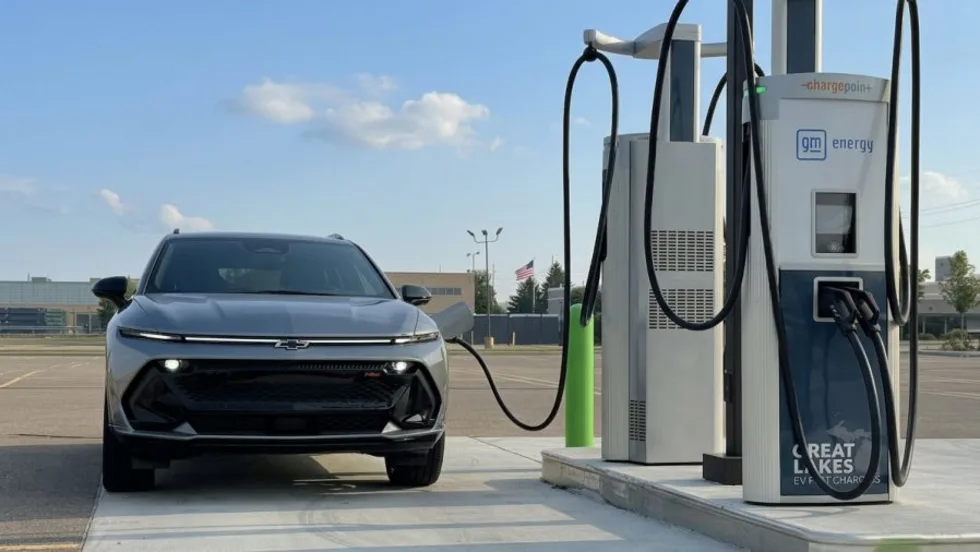
ChargePoint Now Available in Energy Pass
ChargePoint and additional planned charging network integrations were added to GM's Energy Pass.
Read More →

First Look: Slate Auto's Electric Fleet Pickup
Could an affordable, modular EV pickup make electrification more practical for fleets?
Read More →
Slate Debuts Colorful, Unique EV Models
A recent media and client event, studded with electric vehicles dressed up on platforms, planted a new position for the manufacturer in the wider EV market. Fleets will find cost-saving advantages.
Read More →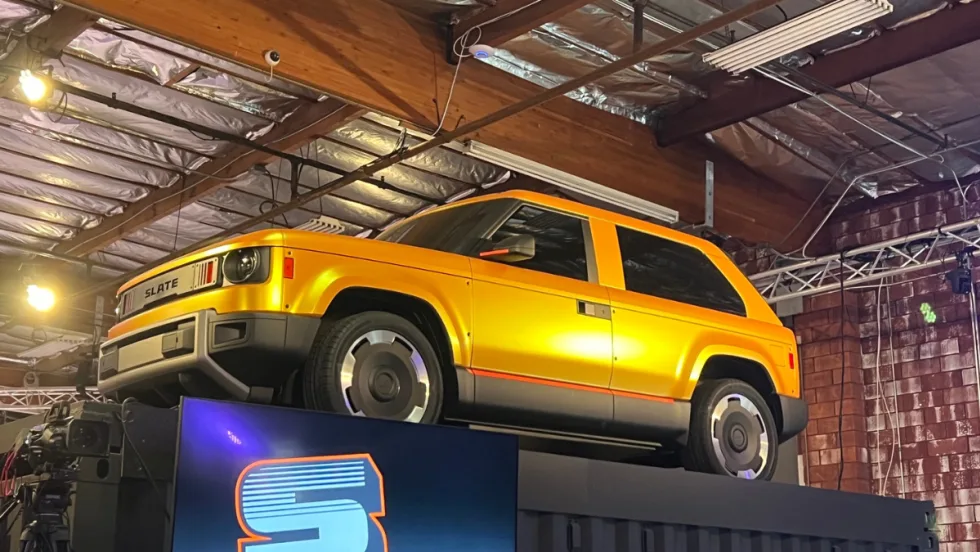
Slate Electric SUV, Pickup Switchable Model Aims For Light-Duty Fleets
Everything about this EV is counterintuitive and understated, making it stand out from the crowd.
Read More →
Inspiration Mobility Acquires Key Electrada Assets
Inspiration Mobility Group has acquired select assets of Electrada, adding the fleet electrification provider's team, technology, and charging infrastructure development capabilities to its energy management business.
Read More →