





More from Work Truck: Mobile Fueling for Emissions Reduction
Bringing the Gas Station to You: The Rise in Mobile Fueling for Fleets
It might be time to rethink the traditional gas station, because mobile fueling presents a growing alternative, saving fleets on downtime, costs, and making operations more efficient.
May 9, 2022
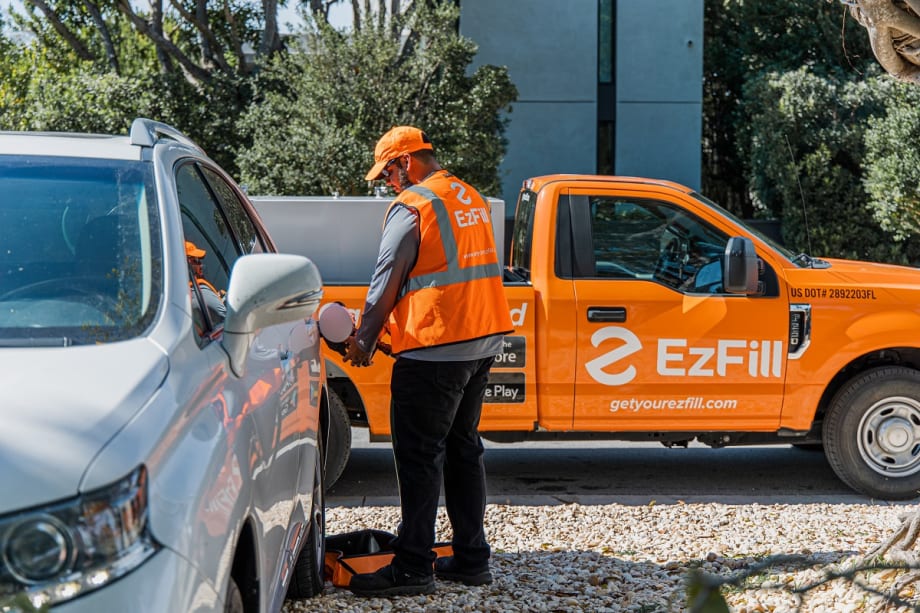
With the slogan “Never pump gas again,” Florida-based mobile fuel provider EzFill said the trend of on-demand gas and diesel delivery service is quickly catching on.
Photo: EzFill
5 min to read
The world is becoming increasingly on demand — just look at rideshare apps and restaurant and grocery deliverers that are seeing year-over-year growth — and fleets are no exception. For those who value convenience, a mobile fuel delivery service is one way to save time and expenses.
To learn more about the growing trend, Automotive Fleet talked to EzFill, a mobile fuel delivery provider in Florida.
How Fuel Deliveries Work & Primary Benefits
Mobile fueling services can serve both traditional gasoline or diesel vehicles, and deliveries can fill on-site tanks or directly fuel vehicles at homes or on a work site.
Some of the main benefits for commercial fleets using mobile fueling services are:
Increased route capacity.
Reduced vehicle and driver downtime.
Lowered emissions through centralized fueling.
Eliminated need for fleet fuel card programs.
Lowered chance of fraud by shifting liability to the fuel provider.
No need for tanks or fuel infrastructure on site.
“Imagine a fleet of 500 vehicles,” Mike McConnell, EzFill CEO, said. “If you could eliminate 500 individual trips to the gas station, from an emissions point of view, that’s a positive.”
McConnell said most fueling happens at night after drivers have completed their routes, so by morning everyone is ready to go without needing to plan a trip to manually fuel up.
Pricing for the service is competitive with gas stations, and a custom quote can be provided based on the size of the fleet, gallons required, and frequency needed.
Its own delivery vehicle holds about 1,200 gallons of fuel, and McConnell said it can fit even in tight residential spaces that some larger haulers can’t.
One misconception McConnell wants to break down is that mobile fueling is a luxury service. “While there is a small delivery fee, it’s not something that is unexpected like with other goods and services,” he said. “The convenience is worth every bit of the fee for peace of mind, safety, and all the other things that go along with it.”
Mike Lang, part owner and VP of operations at ATC Air, noted that before using the service his workers were taking up time at gas pumps that could’ve been spent on service calls.
“Hiring a mobile fueling partner is key to an efficient business plan,” he said. “We work around the clock on holidays and in extreme weather conditions, so having our fleet properly fueled is a necessity that allows our workers the ability to service clients quicker. In addition, you don’t have to deal with unpredictable pricing at gas stations.
Demand for the Service
With about 143 billion of gallons of fuel consumed annually in the U.S., McConnell said the demand for mobile fueling is definitely there, and the opportunities expansive.
“Using an on-demand platform is a perfect marriage between what is becoming a preferred way for consumers to do business and how they utilize everyday purchases like fuel,” he said. “We’re estimating basically 100% growth with on-demand mobile fueling.”
McConnell added that even though gas prices are high, the company has not seen a reduction in demand.
Expansion Plans & Other Providers
EzFill caters to three verticals: consumer, commercial, and specialty, with 80% of its business coming from fleets.
The company went public in September 2021, and in just under seven months, secured 15 new accounts. This past March, it acquired another Florida-based mobile fuel company, Full Service Fueling Inc. Other clients announced in the last few months include rental company Buggy, ServPro of Brickell, ServPro of North Miami, nexAir, seafood delivery company Patagonian Sea Products, Chef Nissen Catering, 911 Restoration of Miami, Cool Air USA, Monsignor Edward Pace High School, and Floridian Clinical Research. It hopes to continue its expansion in Florida and enter New York.
EzFill also offers a fleet technology portal, which is 99% paperless, and monitors fueling and tracks maintenance. While it currently is primarily a fuel monitoring portal, McConnell said the company has its eyes set on expanding its abilities. “As we grow and we add more value, we'll be able to add more to this portal, depending on what our customers want,” he said. “Amazingly, a lot of them don't know how much each vehicle is actually using; they just know whether they're full or not. So we’re able to give data as far as what’s actually helping from a per unit basis from a revenue perspective.”
Other fuel delivery companies that work with fleets include Booster and Yoshi, the latter of which recently partnered with Bridgestone for concierge-style car care services. McConnell added that while the list of providers is still pretty small, there is lots of room for growth in the space.
Do EVs Pose a Threat?
One of the most common questions McConnell fields is what will happen when there are more EVs in the market.
“Interestingly enough, gas stations have been on a downward trend for the last 20 years because there’s just a better use for the real estate that they sit on,” he said. “There are 121 million registered commercial vehicles on the road, about 276 million consumer vehicles on the road, and today, they still need servicing.”
However, as the shift continues to unfold, McConnell said he hopes to change along with that trend. In fact, EzFill’s founder Michael Farkas is also the CEO of Blink Charging. Thanks to the insight Farkas brings into the EV space, “there’s definitely opportunities on both sides to continue to grow, no matter what fuel source consumers use in the future,” McConnell said.
Subscribe to Our Newsletter
More Fuel
Fuel Prices Surge in September | September Fuel Update
September brought major fuel price swings, including diesel crossing $6 a gallon. Here’s how gas and diesel prices changed throughout the month, and where they stood heading into October.
Read More →
Turning Fleet Payment Data into Executive Insights
Ramel Lindsay of U.S. Bank Voyager discusses how fleets can transform payment and transaction data into actionable intelligence to reduce costs, improve oversight, and support executive decision-making.
Read More →
Why the IRS Raised Its Mileage Rate in the Middle of 2026
Fuel-price volatility drove the rare increase to 76 cents per mile, the fifth midyear adjustment since 2000.
Read More →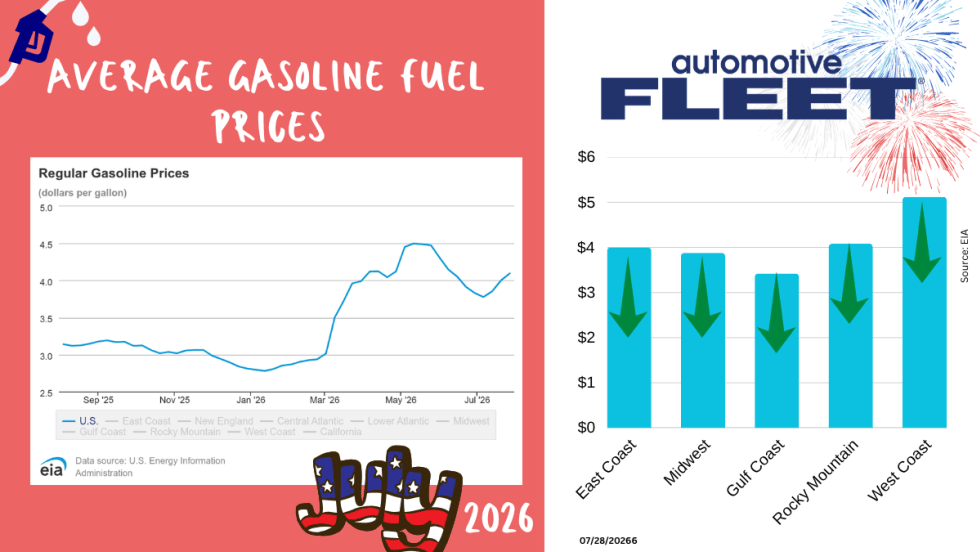
July Fuel Update: Prices Keep Rising in Light of More Conflict
Gas prices continue to rise as more and more conflicts do, too.
Read More →
Bob Adamsky on Fuel Volatility: "Don't Panic, Have a Plan."
When it comes to up and down fuel prices, Adamsky has a message for fleets: “Don’t panic.”
Read More →
How Fleets Can Gain Control of Non-Fuel Spend
Fuel often gets the spotlight, but non-fuel expenses can have a major impact on fleet costs. Ramel Lindsay of U.S. Bank Voyager discusses how fleets can gain better visibility and control over these often-overlooked expenditures.
Read More →
Fuel is Just the Start: How Middle East Tensions are Driving Up Fleet Maintenance Costs
The Middle East conflict is doing more than pushing up fuel prices. It’s also raising the cost of key maintenance products your fleet depends on, from motor oil to tires to windshield wipers. Here’s what you need to know about this budget-busting situation.
Read More →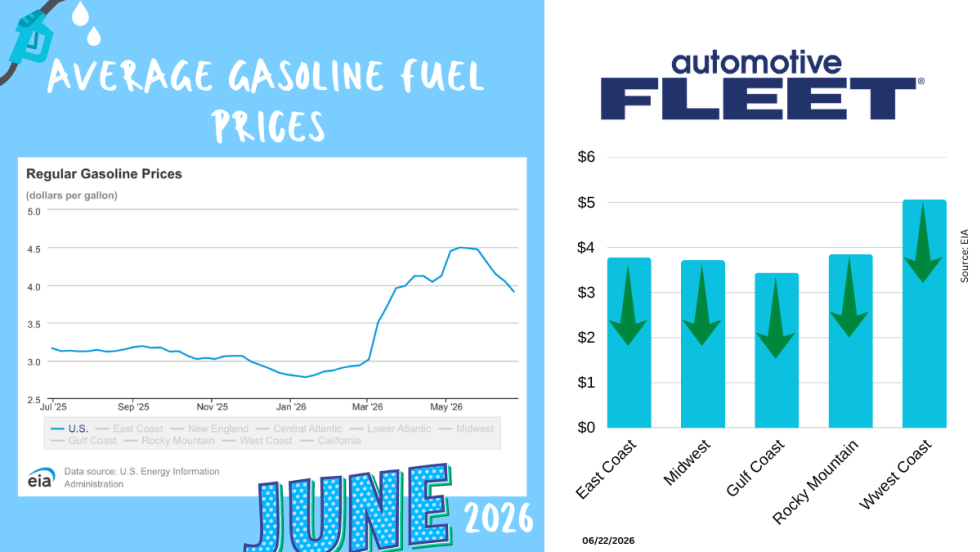
June Fuel Update: Prices Fall Below $4
Drivers are finally getting some relief at the pump. The national average gas price has dropped below $4 a gallon for the first time in months, with prices falling in 47 states as oil markets react to developments in U.S.-Iran negotiations.
Read More →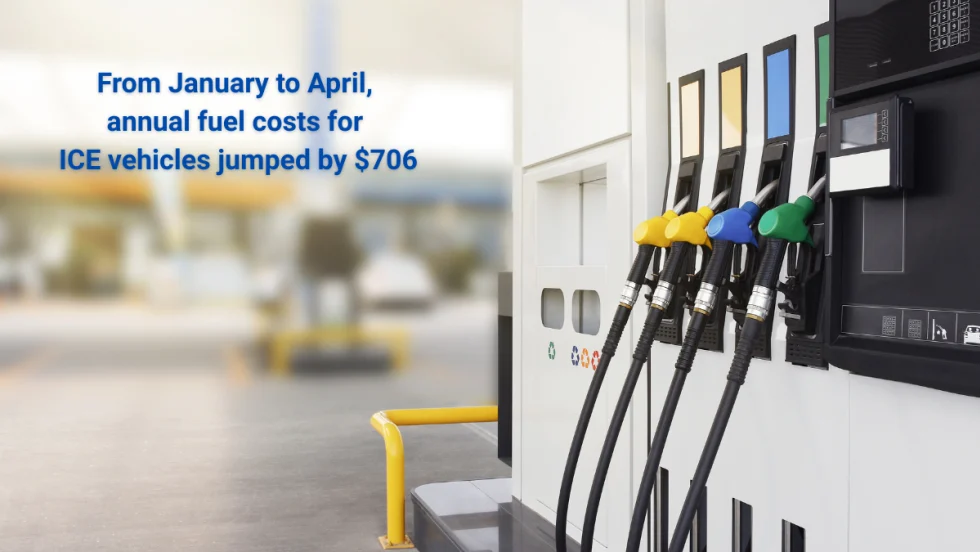
Study: How 2026's Gas Price Hikes Affect Different Vehicle Types
New data from iSeeCars reveals how rising fuel costs have affected different vehicle segments as gasoline prices climbed nearly 46% over the past four months.
Read More →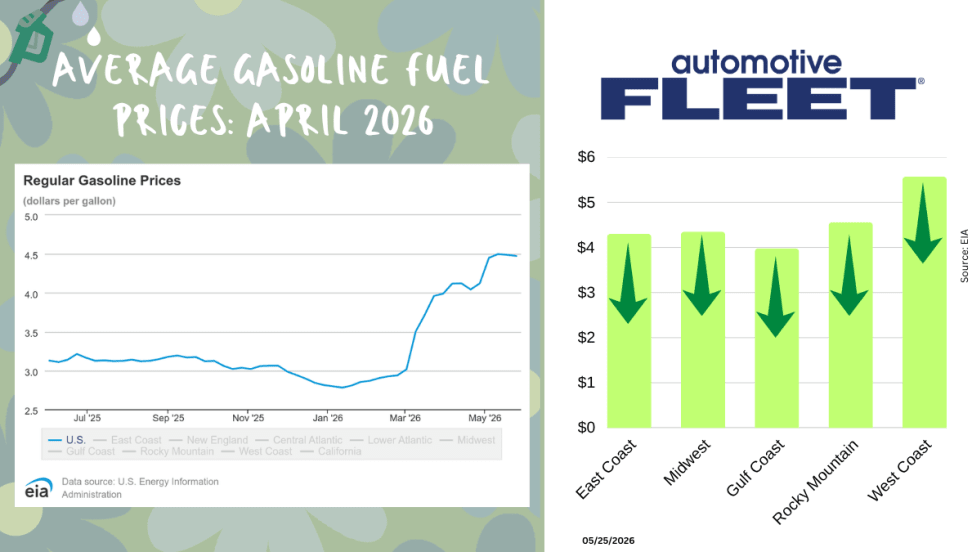
May Fuel Update: All Regions Experience Declines
Gas prices are finally easing in much of the country, but experts warn global tensions could quickly reverse the trend as the national average remains well above last month’s levels.
Read More →