




Bright Ideas: Going Green
Successful green efforts include switching to alternative fuel vehicles, reducing petroleum consumption, running on re-refined oil, and implementing policies on idling, purchasing, right-sizing, and downsizing.
Fleets Awarded for Role in Protecting the Environment
Incorporating environmental factors into vehicle fleets is no longer just an option; it is a reality and one that can provide dramatic cost-savings as well as environmental benefits. For the third straight year, the NAFA Fleet Management Association awarded professionals who implemented pioneering, innovative, and creative programs to help with their agency's overall sustainable or green initiative.
Formerly known as the Green Fleet Awards and now the Sustainable Fleet Awards, the honor recognizes those who are helping to provide sustainability of the environment for future generations. Public sector fleets dominated the awards this year, with the City of Seattle, City of Culver City, and State of Colorado Division of Central Services taking home the honors April 26 at NAFA's 2010 Institute & Expo in Detroit.
These 2010 Sustainable Fleet Award winners were recognized for the following efforts:
Paul Condran, equipment maintenance manager, Culver City Transportation Department. Culver City was recognized in the Truck & Heavy Equipment Category for fleets located in EPAct and clean air-mandated areas of the United States or in Pollution Emission Management Area-mandated areas in Canada. Culver City anticipated state-mandated clean air rules and committed to using compressed natural gas in 1996. Now, some 80 percent of all fuel dispensed is compressed natural gas, used throughout all city departments. Under Condran's leadership, Culver City was also named 2009 #1 Government Green Fleet in North America by the 100 Best Fleets Program.
Art Hale, state fleet manager, State of Colorado Division of Central Services. Colorado achieved honors in the category of sedan and light-duty fleets located in non-mandated areas of the United States or Canada. Hale currently serves on the Greening State Government Administrative Team, the Governor's Biofuel Coalition, and also works on the State's energy conservation plan. His department's primary objective is to reduce petroleum consumption 25 percent in five years and to reduce the number of vehicle miles traveled. A Web-based data management system helped track the division's petroleum reductions, which have already declined 11.6 percent. Anthony Foster, fleet manager for Chesapeake Energy, was also recognized in this category.
Dave Seavey, CAFS, director of the Fleet & Facilities Department for the City of Seattle. Seattle was recognized in the category of sedan and light-truck fleet located in mandated areas of the United States or Canada. The City developed policies on idling, purchasing, right-sizing, and downsizing, in addition to pursuing alternative fuels. Doug Bond, motor vehicle manager for the County of Alameda, Calif., received an honorable mention.
Winners were selected by a panel of judges, which included representatives from OEMs, automotive publishing companies, leasing companies, and fleet managers from both private and public sectors.
Illinois DOT Recognized for Green Efforts
The Illinois Department of Transportation (IDOT) was recognized for its progress in 2009 in a statewide effort to become a more sustainable agency.
The award was based on several IDOT-initiated practices and efforts. One of the strides IDOT made was creating a more environmentally friendly vehicle fleet. The fleet includes 741 alternative-fuel vehicles, 36 gas/electric hybrids, and one E-85/electric vehicle. The diesel fleet is now 100-percent capable of burning biodiesel fuel.
Among its list of accomplishments, IDOT received the Green Government Award in December 2009 from the Illinois Green Government Coordinating Council during the Annual Sustainable Symposium held in Springfield. The award was in the Sustainable Transportation category.
For more information on Illinois' green initiatives, visit www.green.illinois.gov.
City of Spokane Fleet Runs on Re-refined Oil
The 1,400 fleet vehicles at the City of Spokane, Wash., now run on re-refined motor oil, a product made from waste oil.
The change is part of Mayor Mary Verner's focus on environmental awareness.
Gene Jakubczak, Spokane's fleet services director, said re-refined oil performs as well or better than motor oil made from virgin crude, and using it reduces U.S. reliance on foreign imports while conserving fossil fuels.
The City is paying 25 cents per gallon more for re-refined oil than for oil from virgin crude, "an extremely minimal hit in the scheme of things," Jakubczak said.
The oil is purchased from a local supplier through a contract negotiated by the State.
More Green Fleet
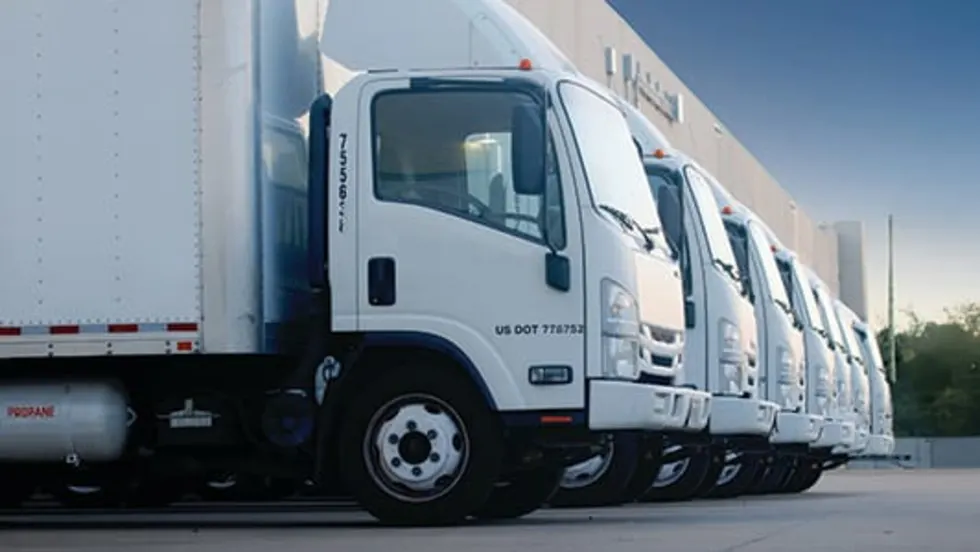
New Propane Autogas Program Offers Fleet Compensation
Qualified commercial fleets can receive $7,500 per eligible propane autogas vehicle and up to $10,000 for new refueling site prep. Learn how the program works and see whether your fleet qualifies.
Read More →
EV Charging Use Is Outpacing Infrastructure Growth
ChargePoint’s 2026 Charging Forward Report points to rising charger use, higher-powered charging, commercial vehicle electrification, and energy-management technology. Here’s what fleets should know.
Read More →
Merchants Fleet Reports 290M EV Miles as Fleets Navigate Changing Electrification Market
From millions in operating savings to hundreds of millions of EV miles, Merchants Fleet’s latest report reveals what’s working and what’s changing in fleet electrification.
Read More →

The EV Breakdown Nobody's Talking About: Why Most Electric Vehicle Roadside Calls Aren't Mechanical Failures
Here's why EV breakdowns are widely misunderstood.
Read More →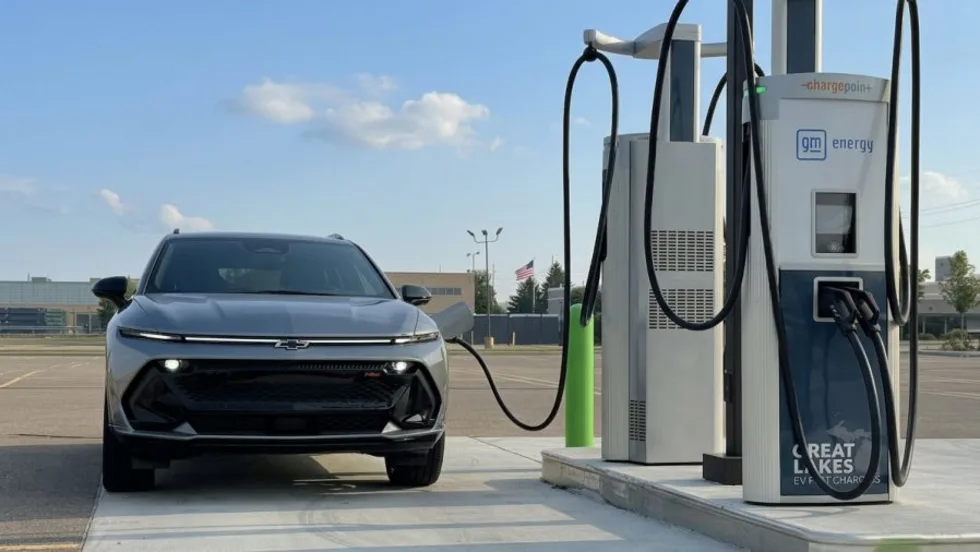
ChargePoint Now Available in Energy Pass
ChargePoint and additional planned charging network integrations were added to GM's Energy Pass.
Read More →

First Look: Slate Auto's Electric Fleet Pickup
Could an affordable, modular EV pickup make electrification more practical for fleets?
Read More →
Slate Debuts Colorful, Unique EV Models
A recent media and client event, studded with electric vehicles dressed up on platforms, planted a new position for the manufacturer in the wider EV market. Fleets will find cost-saving advantages.
Read More →
Slate Electric SUV, Pickup Switchable Model Aims For Light-Duty Fleets
Everything about this EV is counterintuitive and understated, making it stand out from the crowd.
Read More →
Inspiration Mobility Acquires Key Electrada Assets
Inspiration Mobility Group has acquired select assets of Electrada, adding the fleet electrification provider's team, technology, and charging infrastructure development capabilities to its energy management business.
Read More →