




Benefits of Telematics in Vocational Truck Fleets
Optimizing productivity, reducing downtime, increasing efficiency, and ultimately keeping drivers safe are just a few ways a telematics solution can help benefit vocational truck fleets.


Image: Getty
Vocational truck fleets are anything but cookie cutter, and their needs vary by vehicle type and industry. From construction to field service to food and beverage and beyond, each fleet has specific needs that can be helped through the use of a telematics solution.
WT magazine broke out a few of the most common vocations to share best practices related to telematics for each industry.
Helping Construction Fleets Optimize Time
Construction fleets differ from other vocational fleets due to the types of equipment utilized, the heavier wear-and-tear put on assets, and vehicle/personnel use and planning based on site needs.
One of the top ways telematics can be utilized in the construction segment is through increasing productivity.
These systems can also help busy construction fleets with their billing based on time personnel and/or equipment has spent at specific job sites. An added benefit is the ability to see if equipment, or personnel, is being utilized to their maximum capabilities.
Asset utilization can also be improved. Telematics can provide fleet managers with data as to how often specific trucks or pieces of equipment are being used. This can reduce the overuse of some equipment and eliminate underused and unnecessary equipment from a fleet.
Fuel use can be reduced through equipment monitoring on such factors as idle time, fuel burn, and hours used. Emissions can be reduced through such monitoring systems as well.
Proactive maintenance alerts can reduce downtime on equipment and ensure assets don’t break down as frequently.
Safety is also very important in construction fleets. Using telematics to alert fleet managers to unsafe driving practices or equipment use can save lives.
Theft is also a big problem for construction fleets. Some trucks can store a lot of expensive tools and equipment, and while heavier pieces of equipment such as bucket trucks and excavators are harder to steal, it’s not impossible. Tracking and geofencing systems can help notify fleets of stolen equipment and help authorities attempt to retrieve it with more success.
Connecting all of a construction fleet’s assets, from trucks to heavy equipment, can help provide a clear picture of just how efficiently the fleet is operating.
Field Service Fleets Work to Increase Satisfaction
Field service fleets are constantly on the move with people depending on their prompt arrivals. Typically driving without set daily routes, these fleets must arrive at their different destinations in a timely manner, and above all, safely.
Telematics can help field service fleets with the ever-present task of completing more jobs in a day. Through geofencing and zoning, fleet managers can better track service times or make for more efficient driver dispatching.
Through connecting all assets, devices, and personnel logs, fleet managers can get a better overall picture of fleet efficiencies.
Telematics can also help field service fleet managers maximize productivity, be it from assets or personnel.
Planning, scheduling, and routing can all be integrated. Driver logs can be eliminated, reducing a driver’s manual labor and possible overtime costs finishing up paperwork after a job.
In addition, customer satisfaction can be increased due to faster response times. Systems can track how much time it takes a driver to arrive at and complete a job, allowing a fleet manager to find out if they are making unscheduled stops or if the job would have been better served by a different driver.
Field service fleets may be best served by telematics systems that are built into vehicles due to the increased capabilities of such systems. You also won’t need to build in vehicle downtime for installation and overall system costs are typically lower.
Last but certainly not least, field service fleets benefit from the safety aspect of a telematics solution. Having the ability to measure a driver’s driving abilities and address any concerns can reduce possible crash incidents. In addition, vehicles typically display company graphics and keeping aggressive drivers in check can go a long way toward keeping a company’s brand image clean.
Assisting Utility Fleets with Emergency Response
As with the field service industry, productivity and customer satisfaction are going to be key drivers of telematics use.
Safety is probably one of the biggest concerns with utility fleets due to the extreme circumstances they can operate in, from severe weather to concerns related to outages, such as live wires and the use of bucket trucks and other pieces of heavy equipment.
A telematics solution can help with scheduling and routing. Knowing where a vehicle is at all times can help provide important arrival times during emergency situations.
The utility fleet industry has high customer expectations as well as high costs when not performing their jobs or when they are not efficient at their jobs.
Telematics can also help with the important task of monitoring power-take off (PTO) on boom trucks. This can help the fleet manager know when work is being done and completed.
Utility fleets may also have trucks that fall under the upcoming ELD mandate, and telematics can help ensure regulatory compliance.
Finally, utility fleet managers may benefit from portable systems, especially during emergency situations such as severe weather for a quick response.
Keeping Local Delivery Fleets on Track
Local delivery fleets have their own unique set of challenges that telematics can assist with. Some local delivery fleets will operate on set routes, while others have routes that differ each day depending on orders or requests.
Efficiency is going to be a key to success for local delivery fleets. Route optimization and scheduling are two areas that best benefit from a telematics solution.
Competition is growing in the delivery segment, with larger companies such as Amazon and even Uber competing for jobs. Utilizing telematics can help provide better estimated times of arrival for deliveries and even help reroute drivers around accidents or heavy traffic.
In addition, fleet managers or dispatchers can set zones around pick-up or drop-off locations, ensuring the closest driver is always notified of a job first.
As with other fleets, connecting all assets can assist a local delivery fleet to comply with regulations, track down missing or stolen vehicles, and provide 100% visibility into a delivery fleets operation in real time.
Ensuring Refuse Fleets Stay Safely in Motion
Refuse fleets typically operate on set routes and monitoring their locations can assist a fleet manager in ensuring jobs are completed safely and on time.
One of the most helpful aspects of a telematics solution is the ability to know, and prove, exactly where a vehicle is, when it left, and what time it arrived. This can help to improve customer satisfaction and driver productivity.
Safety is very important in refuse fleets due to the dangerous job conditions and work environment. An added safety benefit is monitoring adherence to policies, such as “no-reverse” policies that can be frequently found in refuse fleets.
Overall workforce management can be improved through use of a telematics solution. Route optimization solutions can ensure drivers are traveling the best routes for the jobs that need to be accomplished.
Optimizing vehicles for work flow and operation can also be handled through advanced diagnostics and integration with the maintenance aspect of a telematics solution.
Many refuse trucks operate on alternative fuels and the ability to monitor fuel pressure and temperature can help vehicles work at their optimal capabilities.
In addition, monitoring the use of specific pieces of refuse equipment can help a fleet manager know whether a driver is operating the equipment properly and not overstressing the components on the truck.
Keeping Food & Beverage Fleets Cool on Route
Food and beverage fleets operate a variety of vehicle types, from cargo vans to trucks of all class sizes. Many trucks require additional equipment, such as refrigeration units to keep perishables fresh for delivery.
The ability to track temperatures inside trailers is incredibly important to a food and beverage fleet. New regulations coming in 2018 related to tracking and reporting trailer temperatures in refrigerated trucks will be managed through telematics solutions.
Food safety is very important. In addition to temperature, telematics sensors can report on additional factors such as harsh or aggressive driving that may impact products being delivered.
Most food and beverage fleets have little time to spare during deliveries. Vehicle downtime due to maintenance concerns can also be reduced through vehicle diagnostic reporting.
Finally, telematics can be used to ensure that fleets are working at their optimal capacity. Tracking and measuring delivery density and vehicle utilization can help save on unnecessary miles driven.
Originally posted on Work Truck Online
More Global Fleet

GeoFencing Adds to Your Truck Security Arsenal
Geofencing is a familiar fleet tool today, but its early adoption marked a major shift in vehicle tracking, route monitoring, and the debate over employee privacy.
Read More →
Holman Takes Full Ownership of ARIZA in Mexico
Holman is bringing its Mexican fleet management operation fully under its own brand after more than 30 years as a joint venture. The change gives multinational fleet customers a single Holman operation across the U.S., Canada, and Mexico.
Read More →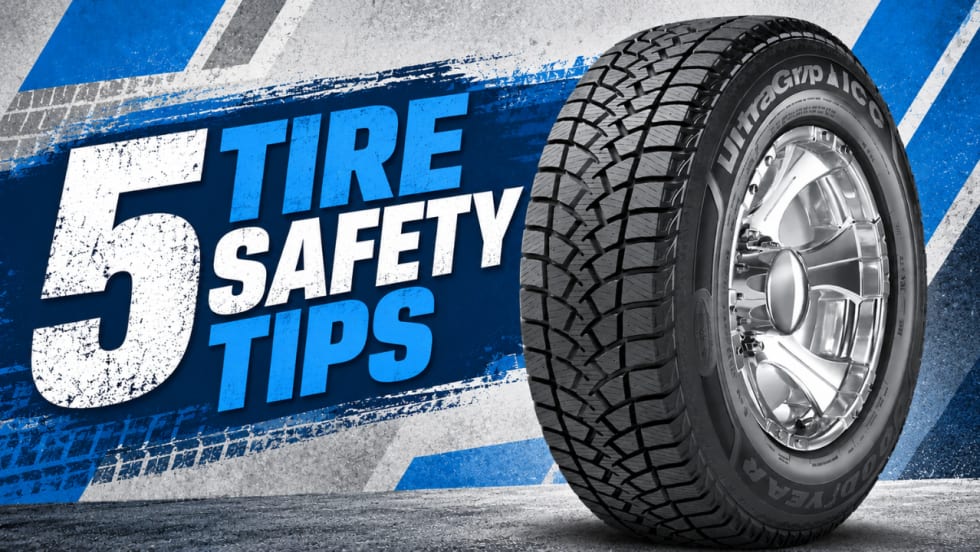
5 Tire Maintenance Tips to Help Prevent Work Truck Downtime
Regular tire checks can do more than extend tread life. These five maintenance practices can help work truck fleets catch problems early, reduce costs, and prevent downtime.
Read More →

Proven Ways to Reduce Work Truck Downtime
The age-old problem of downtime will always be a reality, but with new strategies at hand, fleets have more ways to keep trucks on the road longer.
Read More →


Cameras, Safety and Insurance: From Reactive Claims to Real-Time Prevention (Part 2 of 2)
Part Two: Commercial auto remains one of the most challenging and costly lines of coverage for fleet operators and insurers alike. Continue learning more about how to effectively address these issues from Onur Aksan, Enterprise Business Development Executive, Geotab
Read More →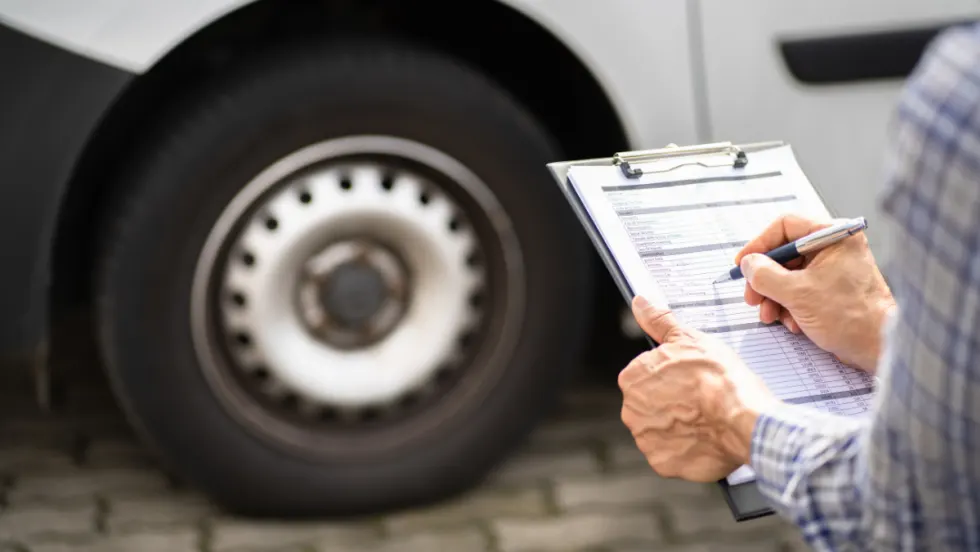
Cameras, Safety and Insurance: From Reactive Claims to Real-time Prevention
Commercial auto remains one of the most challenging and costly lines of coverage for fleet operators and insurers alike. Learn more about how to effectively address these issues from Onur Aksan, Enterprise Business Development Executive, Geotab.
Read More →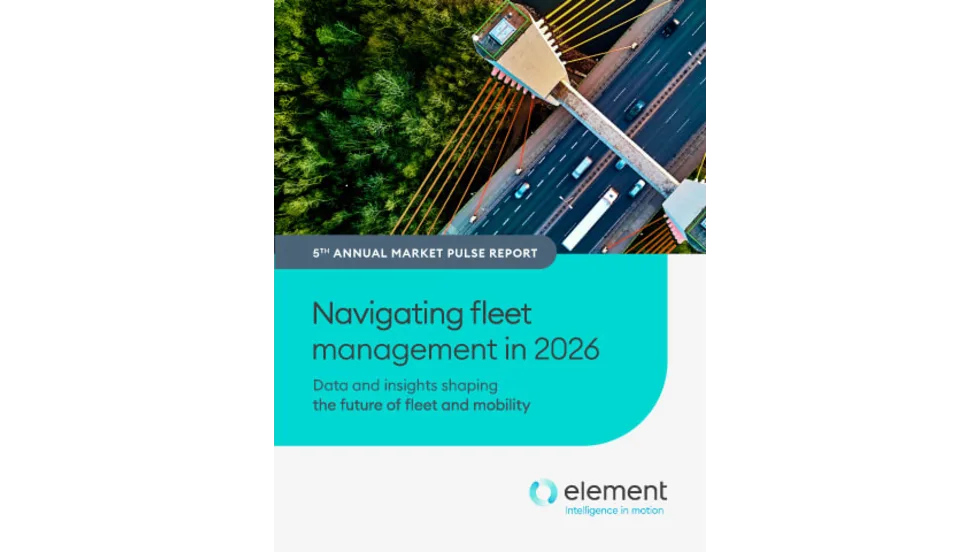
Fleet Costs Are Rising: Here’s How Leaders Are Responding
Fleet leaders are under pressure to reduce costs, adapt to economic uncertainty, and make smarter decisions. See how peers across North America are responding with real data, proven strategies, and forward-looking insights. Download the 2026 Market Pulse Report to benchmark your strategy and uncover where you can gain an edge.
Read More →
Enterprise Fleet Management Surpasses 900,000 Vehicles in U.S. & Canada
Enterprise Mobility connects with mobility solutions around the globe
Read More →