




Bakery Owner Recounts Delivery Van Theft for Bank Heist
Stealing a delivery van to use as a getaway vehicle is stupid — unless the authorities are chasing the other five identical Nissan NV 2500 vans with identical branding.

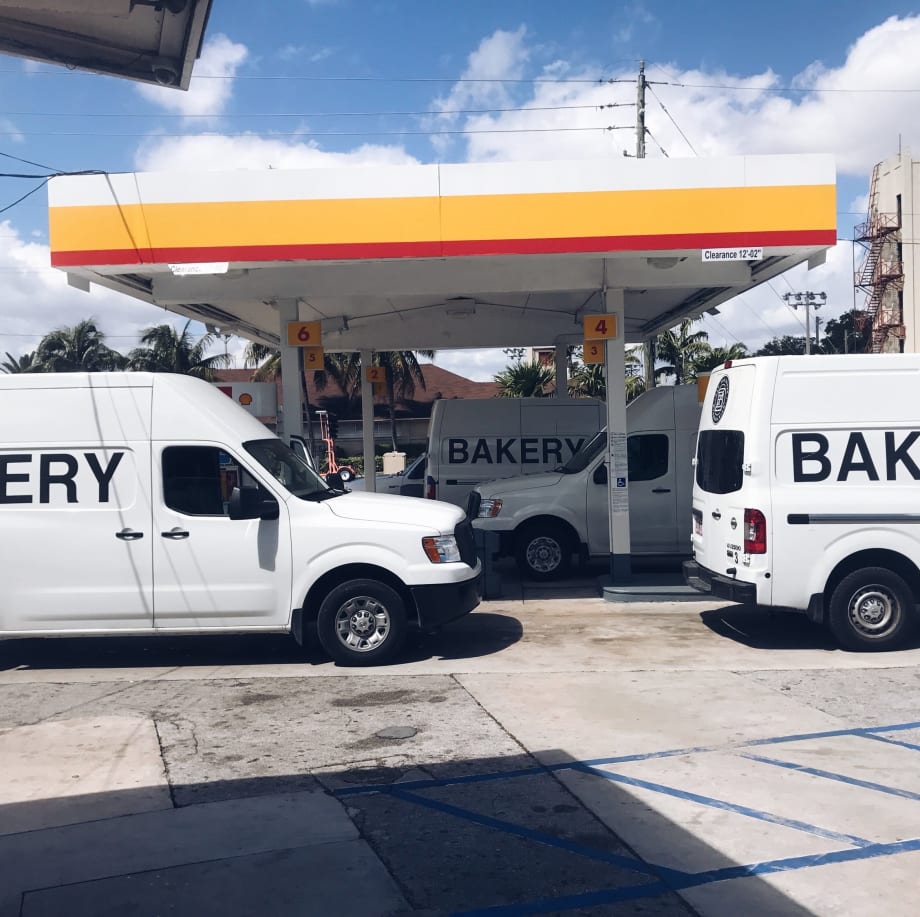
Photo courtesy of Zak the Baker.
Photo courtesy of Zak the Baker.
No two days in the life of a small business owner are alike. For Zak Stern, owner of Zak the Baker, a retail kosher deli and wholesale baked goods distributor in Miami’s Wynwood Arts District, it’s a good thing that July 6 will never be repeated.
Stern took a call that day from one of his delivery drivers, who told him he had walked out of one of his regular stops to find that his van was stolen. A few hours later, media agencies were calling Stern to ask him about one of his bakery vans that may have been used in an armed bank heist.
“We didn’t really know what was going on,” Stern said. “It went from ‘Our truck was stolen’ to ‘I think our truck was in a bank robbery’ to ‘Where are our drivers?’ pretty quickly.”
When the media agencies called, news helicopters were hovering over one of his vans, which had been surrounded by FBI agents. Stern surmised correctly that the van was stolen opportunistically to be used as a getaway vehicle for the heist — but he wasn’t so sure that they caught the right guy. Stern, who tried unsuccessfully to reach his drivers, was correct.
“It was one of our guys, because he called us afterward saying he was in handcuffs,” said Stern, noting that the driver was subsequently identified and released. “They were pulling over our other drivers, too, which was very scary for them. Our drivers had no clue what was going on.”
On the face of it, using a getaway vehicle with a company logo and “bakery” written in bold, black lettering would get you into the “stupid criminal” hall of fame before facilitating your escape. But this case was different.
Stern runs six identical vans — white Nissan NV 2500 models — with duplicate branding. The bakery serves restaurants and grocery stores from South Miami up to Palm Beach Gardens — a lot of ground to cover for a business or authorities chasing a criminal. While the FBI was stopping the other bakery vans, the criminal abandoned his van and is believed to still be at large, according to news reports.
Aside from his drivers’ safety, Stern’s next order of business that day was to call his clients, including two Whole Foods Markets and a few restaurants, to let them know their bread would be late. “It’s a big problem that our truck was stolen, but a chef still needs his bread,” he said.
When Stern gets his van back, which should be in the next day or two, it’ll be business as usual, or as usual as a small business owner can expect.
Originally posted on Work Truck Online
More Operations

A buyer's guide to fleet management software in 2027
Buying fleet management software in 2027 means looking beyond features and price. As fleet operations, technology and expectations evolve, this guide explores what today’s fleet professionals should consider when choosing a system that can deliver value now and adapt to what comes next.
Read More →
What Will Shape the Next Era of Fleet Management?
EVs, AI, and autonomous vehicles are reshaping fleet management. Discover what’s ahead—and how fleet leaders can prepare for the next era.
Read More →
How Fleets Can Recruit and Train Veterans for Technician Roles
Here's how the technician shortage has affected uptime for fleets, and what to do about it.
Read More →

Avis Budget Group Deploys Neology Toll Management Technology Across Major Brands
Neology’s neoFleet platform will manage toll transactions and toll-authority operations for vehicles across Avis, Budget, Payless, Budget Truck and Zipcar.
Read More →
Fleet Personal-Use Charges Edge Higher in 2026
Nearly eight in 10 surveyed fleets allow personal use of company vehicles, while just over half of respondents report charging employees for the privilege.
Read More →
The Future of Fleet + What’s Changing Right Now | AF News Recap
Could developments overseas offer a preview of what’s coming for U.S. fleets? This week, we’re looking at the future of AI, autonomy, and electrification, plus Ford Pro’s new certified pre-owned program, smarter vehicle offboarding, and a new way for fleets to manage toll expenses.
Read More →
How to Handle Vehicle Offboarding
What do fleet managers need to do when a driver leaves?
Read More →
Fleet Manager’s Ultimate Playbook: Navigating the New Standard in OEM Connectivity
Rising operating costs, driver safety concerns, and unplanned downtime are putting unprecedented pressure on modern fleets. Discover how fleet managers use embedded OEM connectivity and real-time vehicle data to cut TCO, prevent downtime, and protect drivers without aftermarket telematics hardware.
Read More →
U.S. Bank Adds Verra Mobility Toll Management to Voyager Fleet Platform
The integration allows U.S. Bank Voyager fleet customers to manage toll payments and violations alongside fuel, EV charging and maintenance expenses.
Read More →
ADAS Prevents Crashes. But Repairs Cost More | AF News Recap
ADAS-equipped vehicles may crash less often, but they can cost more when they do. This week, we’re breaking down what that tradeoff means for fleets, plus Subaru’s first Forester Wilderness Hybrid, Nissan’s new e-POWER Rogue, and why Calstart has become Catalyst Mobility.
Read More →