




For all the best practices to electrifying your fleet, check out our Electric Vehicle Buyer's Guide
Are EVs Cost-Effective? Calculating Total Cost of Ownership
Learn how calculating total cost of ownership for electric vehicles is vital to the success of your business and determining if EVs are a cost-effective replacement.
by Ronnie Wendt
September 17, 2021
The EVSA and TCO give fleet managers a clear picture of operational costs if they add EVs.
2 min to read

The EVSA and TCO give fleet managers a clear picture of operational costs if they add EVs.
As you consider transitioning your fleet to electric vehicles (EVs)? If so, it's essential to calculate the total cost of ownership (TCO). TCO considers fuel costs, fuel efficiency, infrastructure costs, maintenance costs, sales tax, tax credits, and purchase incentives. Understanding TCO is vital to the success of your business, and determining TCO considers if EVs are a cost-effective replacement.
How to Calculate Total Cost of Ownership for EVs
The best way to calculate TCO is to consider two scenarios and make comparisons. In this example, compare replacing the vehicle with an EV to swapping it with a diesel- or gas-powered vehicle. If the EVs TCO is lower than that of a non-EV, it makes sense for the operation. This calculation involves a side-by-side comparison of:
Vehicle acquisition costs (will it be a purchase or a lease?).
Maintenance costs.
Fuel & electricity costs.
EV incentives.
Tolls for non-EVs or low emission zone charges.
Vehicle registration & taxes.
Additional factors to consider include if EV passenger cars (not including Tesla) hold their value. Overall, EVs expect around a 40 percent residual value decrease on the new EV after three years and near 30 percent by year four.
Infrastructure costs also remain a consideration. Fleets can pay up to $250,000 for infrastructure, making it crucial to consider when looking at TCO.
Fortunately, the electric vehicle sustainability assessment (EVSA) and TCO give fleet managers a clear picture of operational costs if they add EVs. Upfront costs tend to be higher for EVs. However, once fleets examine an EV's total costs over its lifetime, EVs usually cost less.
By calculating TCO, you set up your company for success. Knowing TCO ensures you understand the underlying financial aspects that go into implementing EVs across fleet operations.
Subscribe to Our Newsletter
More Green Fleet

Sponsored•October 1, 2026
New Propane Autogas Program Offers Fleet Compensation
Qualified commercial fleets can receive $7,500 per eligible propane autogas vehicle and up to $10,000 for new refueling site prep. Learn how the program works and see whether your fleet qualifies.
Read More →
EV Charging Use Is Outpacing Infrastructure Growth
ChargePoint’s 2026 Charging Forward Report points to rising charger use, higher-powered charging, commercial vehicle electrification, and energy-management technology. Here’s what fleets should know.
Read More →
Merchants Fleet Reports 290M EV Miles as Fleets Navigate Changing Electrification Market
From millions in operating savings to hundreds of millions of EV miles, Merchants Fleet’s latest report reveals what’s working and what’s changing in fleet electrification.
Read More →

The EV Breakdown Nobody's Talking About: Why Most Electric Vehicle Roadside Calls Aren't Mechanical Failures
Here's why EV breakdowns are widely misunderstood.
Read More →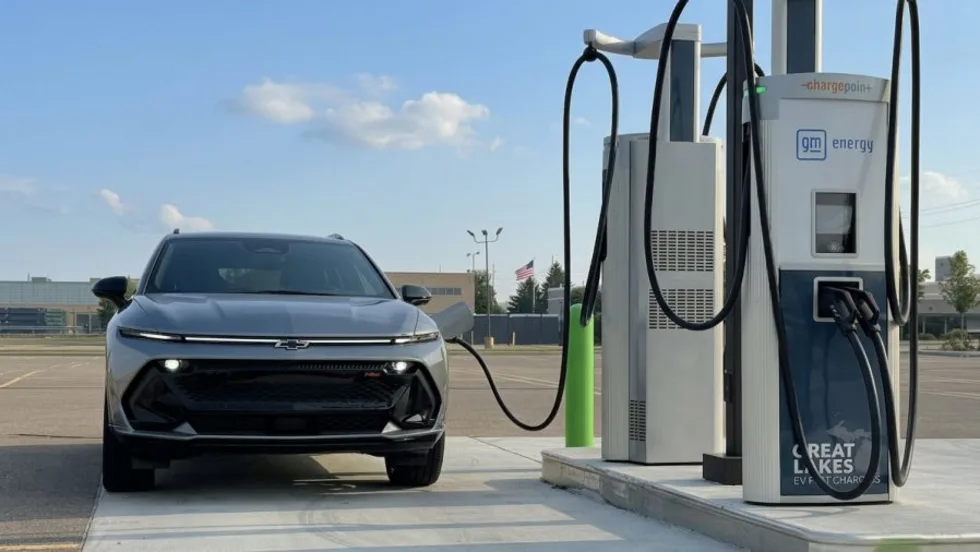
ChargePoint Now Available in Energy Pass
ChargePoint and additional planned charging network integrations were added to GM's Energy Pass.
Read More →

First Look: Slate Auto's Electric Fleet Pickup
Could an affordable, modular EV pickup make electrification more practical for fleets?
Read More →
Slate Debuts Colorful, Unique EV Models
A recent media and client event, studded with electric vehicles dressed up on platforms, planted a new position for the manufacturer in the wider EV market. Fleets will find cost-saving advantages.
Read More →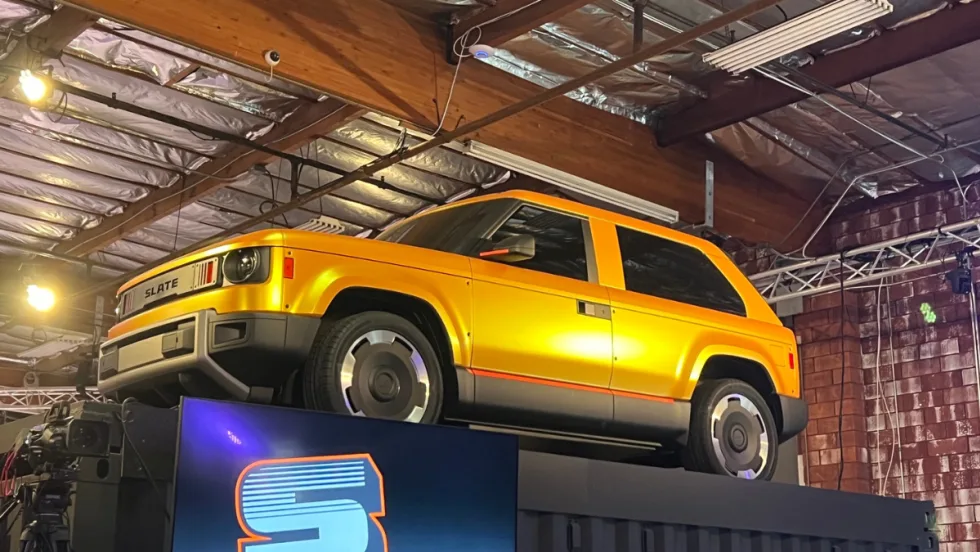
Slate Electric SUV, Pickup Switchable Model Aims For Light-Duty Fleets
Everything about this EV is counterintuitive and understated, making it stand out from the crowd.
Read More →
Inspiration Mobility Acquires Key Electrada Assets
Inspiration Mobility Group has acquired select assets of Electrada, adding the fleet electrification provider's team, technology, and charging infrastructure development capabilities to its energy management business.
Read More →