




An Alt-Fuel Pioneer in Oklahoma
Central Oklahoma Clean Cities’ Yvonne Anderson has played a critical role in establishing alternative fuels in the Sooner State.
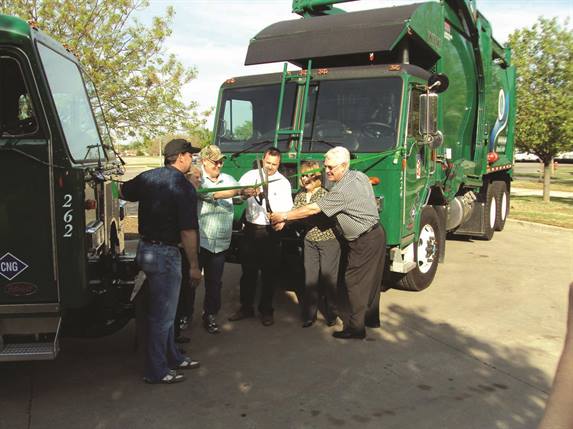
Central Oklahoma Clean Cities (COCC) Coordinator Yvonne Anderson (second from left) cuts the ribbon, dedicating two CNG refuse trucks for use by the City of Norman, Okla.
In 1998, when Yvonne Anderson took the reins of the recently formed Central Oklahoma Clean Cities (COCC) coalition, petroleum was the only game in town for the region’s transportation sector. Fifteen years later, Oklahoma boasts more than 200 alternative-fueling stations, due in great part to an enduring commitment to sustainability by Anderson and dozens of public and private sector fleets.
COCC member fleets that have helped lead the way include Oklahoma Natural Gas Company, the City of Oklahoma City, the City of Norman, the State of Oklahoma, the University of Oklahoma, and Oklahoma State University. Under Anderson’s leadership, the coalition established the state’s first municipally owned biofuels station, first publicly accessible E-85 station, first multi-fuel alternative-fueling station, first municipal public-access natural gas station, and first municipal electric vehicle charging station.
“Back in the mid-1990s, we were starting from scratch,” Anderson said. “But, we’ve all been working together to move forward for a cleaner, greener, more secure energy future.”
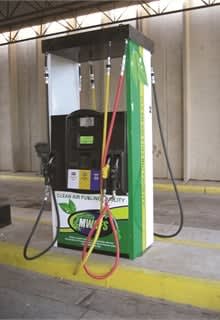
The City of Midwest City completed a new biofuels island in 2012 for E-85 and B-20 blends.
In 2012 alone, COCC stakeholders saved more than 3 million gallons of petroleum and averted more than 8,000 tons of green-house gas emissions. And, fleets are keeping the momentum going with new alternative-fuel vehicle acquisitions and infrastructure development.
Oklahoma City recently added two all-electric Nissan LEAF sedans to its municipal motor pool; they charge in a highly visible downtown location, giving residents an up-close look at electric transportation technology.
In 2012, the City of Norman opened a new compressed natural gas (CNG) fueling station, which serves two industrial mowers, three refuse trucks, one dual-CNG-engine street sweeper, one heavy-duty field service truck, 36 light-duty vehicles, and one school bus.
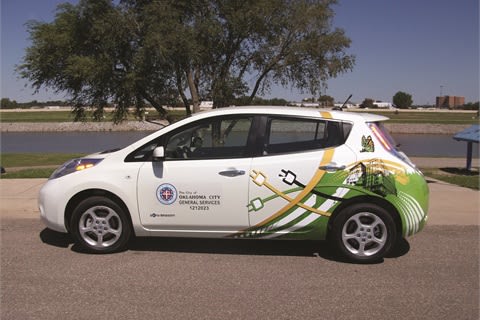
The City of Oklahoma City has two 2012 Nissan LEAF sedans. In addition, the City fleet includes electric, hybrid, CNG, and B-20- powered vehicles.
COCC’s successes have gained national attention. In June 2013, the U.S. Department of Energy inducted Anderson into the Clean Cities Hall of Fame.
“For 15 years, Yvonne Anderson has proven herself to be a true pioneer and a dedicated mentor to others in the deployment of alternative fuels and advanced vehicles,” said Clean Cities National Director Dennis Smith.
More Green Fleet
New Propane Autogas Program Offers Fleet Compensation
Qualified commercial fleets can receive $7,500 per eligible propane autogas vehicle and up to $10,000 for new refueling site prep. Learn how the program works and see whether your fleet qualifies.
Read More →
EV Charging Use Is Outpacing Infrastructure Growth
ChargePoint’s 2026 Charging Forward Report points to rising charger use, higher-powered charging, commercial vehicle electrification, and energy-management technology. Here’s what fleets should know.
Read More →
Merchants Fleet Reports 290M EV Miles as Fleets Navigate Changing Electrification Market
From millions in operating savings to hundreds of millions of EV miles, Merchants Fleet’s latest report reveals what’s working and what’s changing in fleet electrification.
Read More →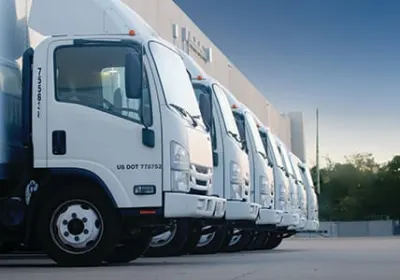
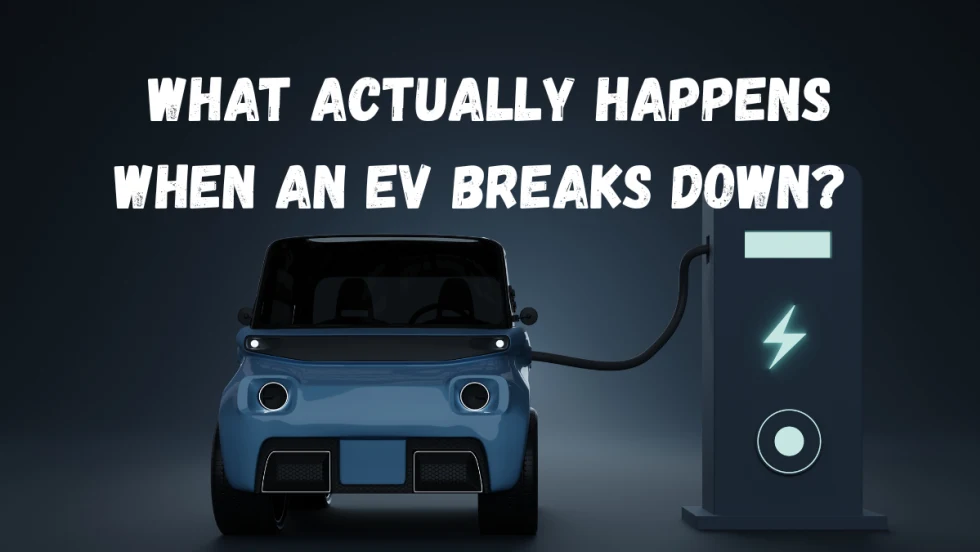
The EV Breakdown Nobody's Talking About: Why Most Electric Vehicle Roadside Calls Aren't Mechanical Failures
Here's why EV breakdowns are widely misunderstood.
Read More →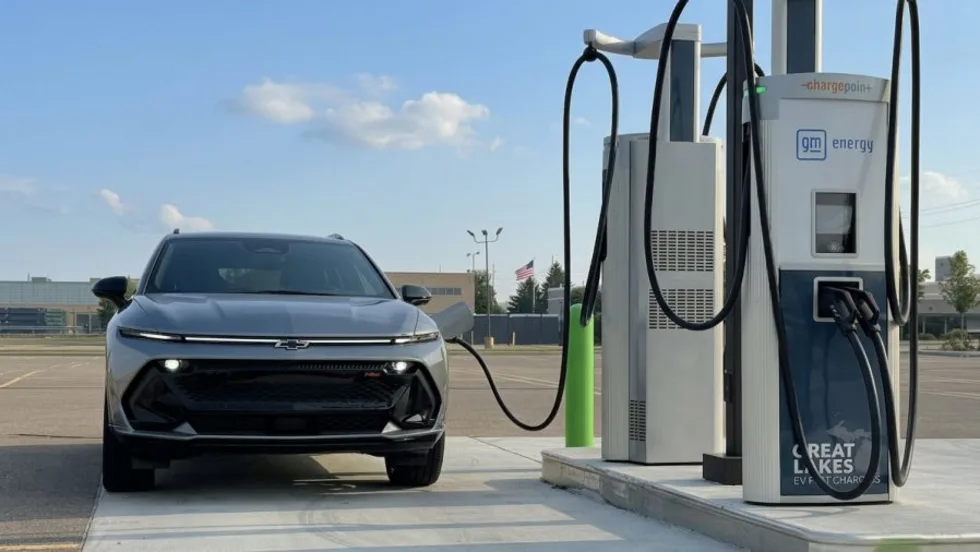
ChargePoint Now Available in Energy Pass
ChargePoint and additional planned charging network integrations were added to GM's Energy Pass.
Read More →

First Look: Slate Auto's Electric Fleet Pickup
Could an affordable, modular EV pickup make electrification more practical for fleets?
Read More →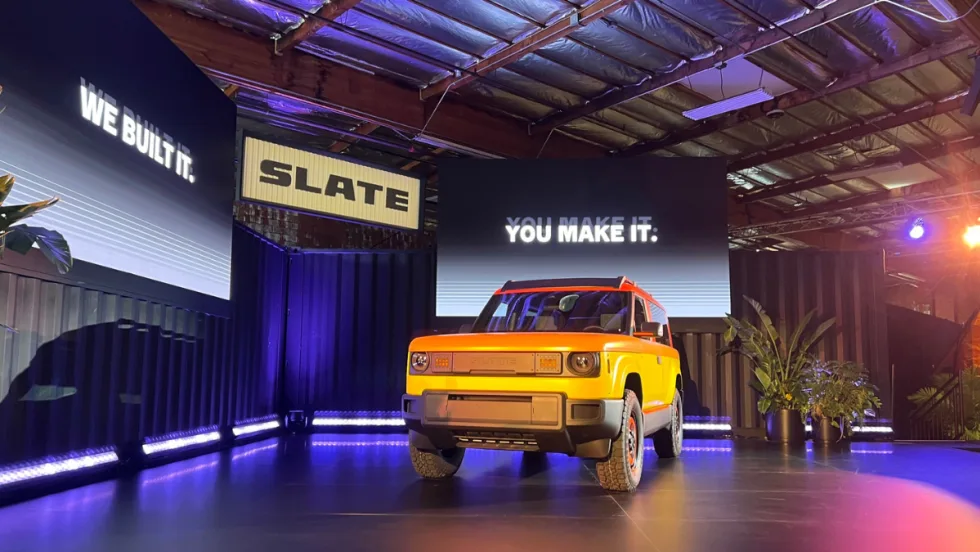
Slate Debuts Colorful, Unique EV Models
A recent media and client event, studded with electric vehicles dressed up on platforms, planted a new position for the manufacturer in the wider EV market. Fleets will find cost-saving advantages.
Read More →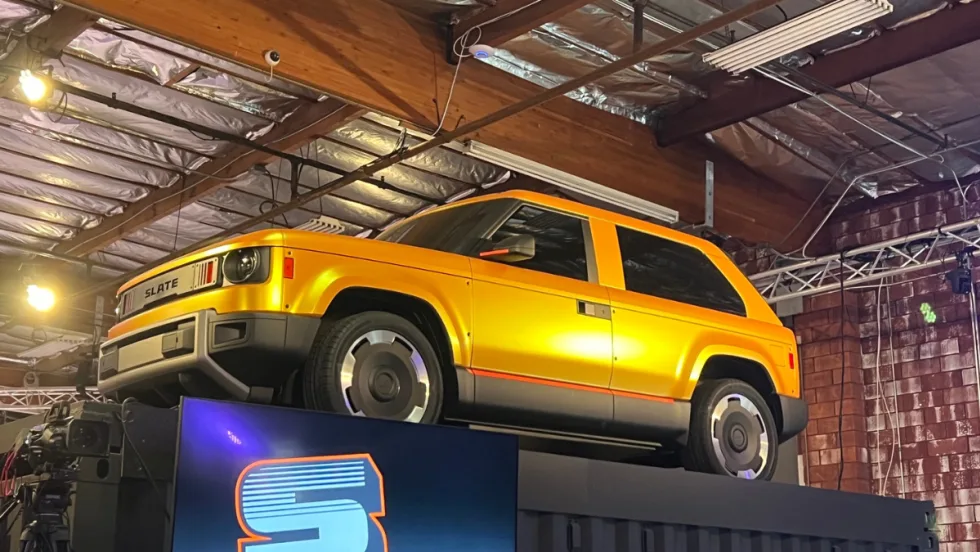
Slate Electric SUV, Pickup Switchable Model Aims For Light-Duty Fleets
Everything about this EV is counterintuitive and understated, making it stand out from the crowd.
Read More →
Inspiration Mobility Acquires Key Electrada Assets
Inspiration Mobility Group has acquired select assets of Electrada, adding the fleet electrification provider's team, technology, and charging infrastructure development capabilities to its energy management business.
Read More →